
Read More
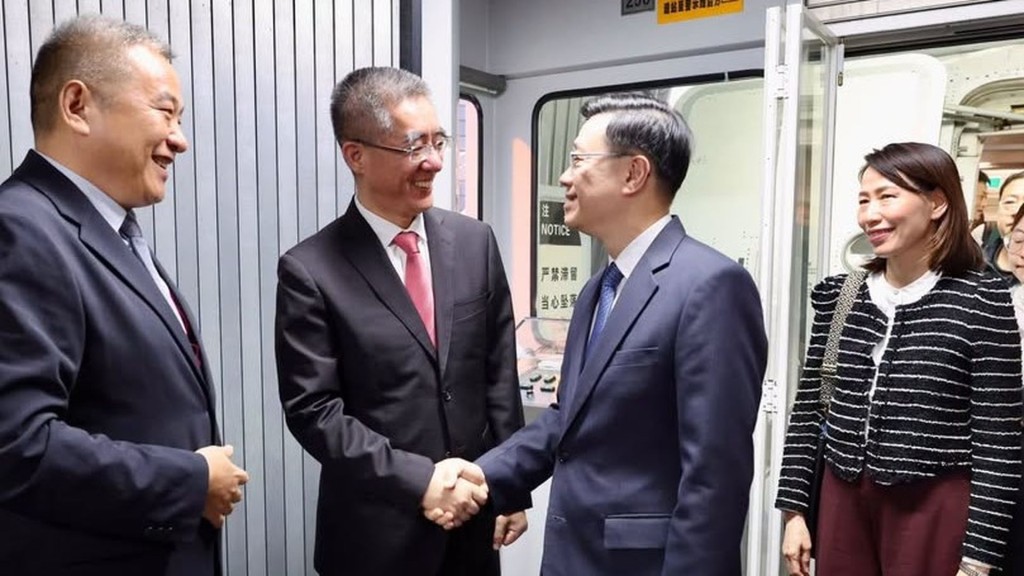
Chief Executive John Lee Ka-chiu’s high-profile, four-day official delegation to Beijing and Shanghai marks a decisive strategic push to align Hong Kong’s economic trajectory with China’s core national blueprint: the construction of a unified national market.
ADVERTISEMENT
SCROLL TO CONTINUE WITH CONTENT
Against a backdrop of global economic fragmentation and domestic imperatives to dismantle local protectionism and market segmentation, Beijing has accelerated efforts to ensure the smooth, frictionless flow of production factors – capital, technology, data, and talent – across administrative boundaries. By leveraging this strategic policy pivot, the Hong Kong-Beijing-Shanghai axis operationalizes this national vision on a global and institutional scale.
Symposium for high-level synergy
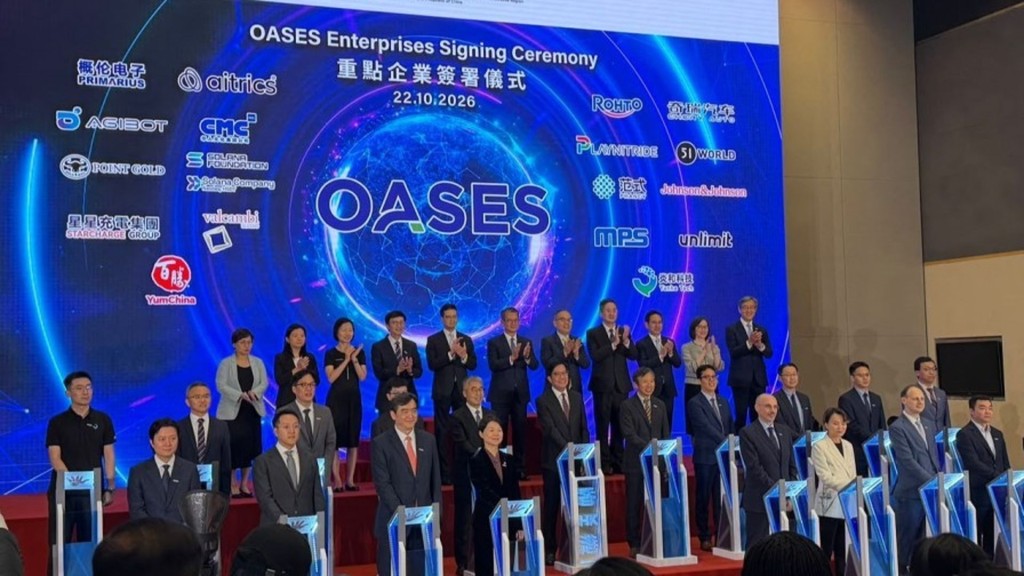
In Beijing, the core focus centered on the landmark symposium themed “Beijing-Hong Kong Building a Shared Future,” designed to dovetail local capabilities directly with the nation’s 15th Five-Year Plan. Positioning Hong Kong as the most sophisticated international financing and capital-raising platform for mainland enterprises, the visit highlighted a deeply integrated economic relationship. Up to the third quarter of 2026, nearly 290 Beijing-based enterprises were listed in Hong Kong, commanding a total market capitalization of HK$13 trillion – accounting for over a quarter of the local stock market’s total value – and raising approximately HK$3.4 trillion cumulatively.
Furthermore, Hong Kong remains Beijing’s largest source of foreign direct investment, with actual investment reaching US$5.85 billion (HK$45.63 billion) – 74.3 percent of the total – from January to September, while Beijing’s investment in Hong Kong hit US$2.03 billion. Under the unified market framework, this capital fluidity is matched by technological synergy. Discussions mapped out a coordinated blueprint pairing Beijing’s dense concentration of premier research universities with Hong Kong’s common-law, internationally aligned IP framework, forging a powerful high-tech corridor that transcends regional silos and accelerates commercialization across borders.
New frontiers at the Shanghai CIIE
Transitioning south to Shanghai, Lee’s delegation will shift gears toward global trade promotion and commercial integration at the upcoming ninth China International Import Expo and the Hongqiao International Economic Forum. Serving as a vital platform for international exchange and technological collaboration, the expo exemplifies the national mandate of “dual circulation” – linking domestic production with global demand.
To help local enterprises tap into the massive mainland market, the Trade Development Corporation will establish a “Hong Kong Food Pavilion” and a “Hong Kong Services Pavilion,” spanning a record-breaking 1,660 square meters – an 11 percent increase over last year – with 71 participating Hong Kong enterprises, marking a more than 30 percent surge from the previous edition.
The Shanghai leg will reinforce Hong Kong’s function as a seamless “two-way platform” – helping mainland corporations navigate overseas markets safely while channeling international capital into domestic development under standardized rules. Through upcoming high-level meetings with municipal leadership, the delegation will cement mechanisms that streamline regulatory compliance, ease cross-border data flows, and enhance financial market interconnectivity.
Ultimately, Lee’s Beijing and Shanghai tour transcends diplomatic exchange; it is a pragmatic masterclass in national economic integration. By bridging institutional differences and projecting its distinct international edge, Hong Kong is transforming institutional connectivity into sustainable momentum, serving as a vital external anchor for China’s unified national market.