






Read More





Officer injured in 2005 knife attack dies after over 20 years paralysed
17-09-2026 00:27 HKT

Naked woman spotted strolling through Lan Kwai Fong late at night
16-09-2026 18:04 HKT


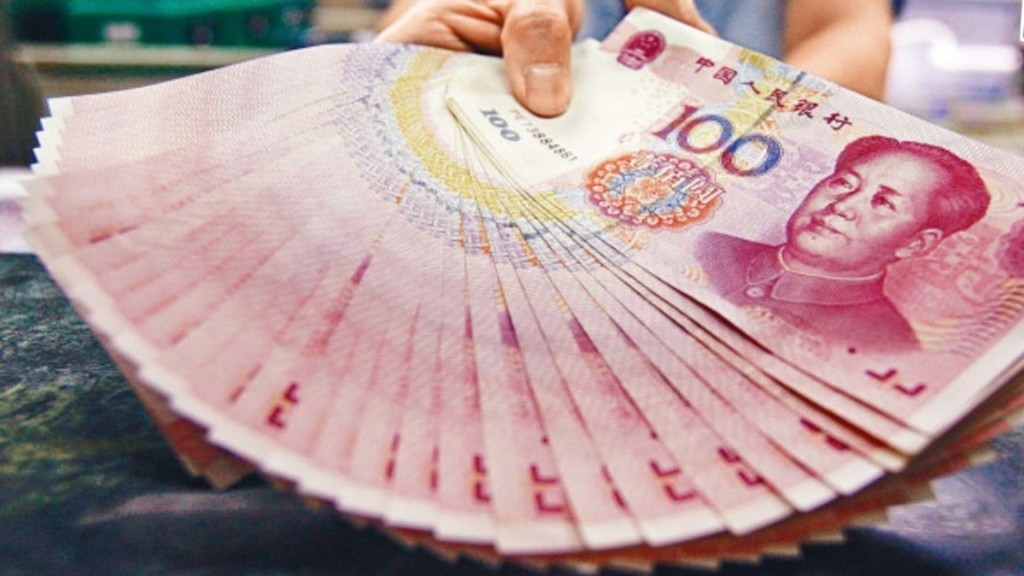
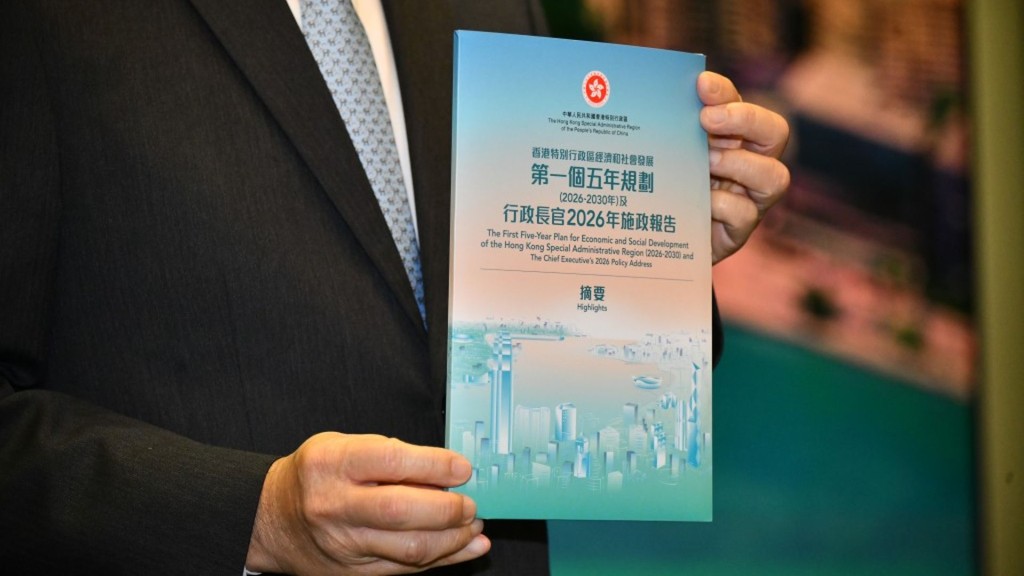
The Hong Kong government's proposal in its maiden Five-Year Plan (2026–2030) to promote the settlement of public expenditures in yuan represents a structural milestone in the city's financial evolution.
By deploying the state's balance sheet to disburse procurement contracts, infrastructure outlays, and public sector payments in yuan, the administration is moving beyond passive asset trading toward active fiscal integration.
This strategic pivot serves as an institutional catalyst: it creates an enormous, sustained domestic demand for yuan, transforming Hong Kong from a transactional clearing hub into a self-sustaining offshore liquidity ecosystem.
Historically, offshore yuan accumulation has depended on volatile cross-border trade settlements and speculative investment flows. Disbursing government expenditure in yuan alters this dynamic by establishing a steady sovereign baseline of circulation. Public procurement for capital-intensive infrastructure, technology subsidies, and municipal vendor contracts will inject billions of yuan directly into the domestic economy.
This liquidity will recirculate through commercial lenders, corporate treasuries, and retail networks, deepening Hong Kong's offshore capital pool and creating the organic scale needed to anchor broader debt issuance, cross-border treasury management, and yuan-denominated equity trading under national internationalization goals.
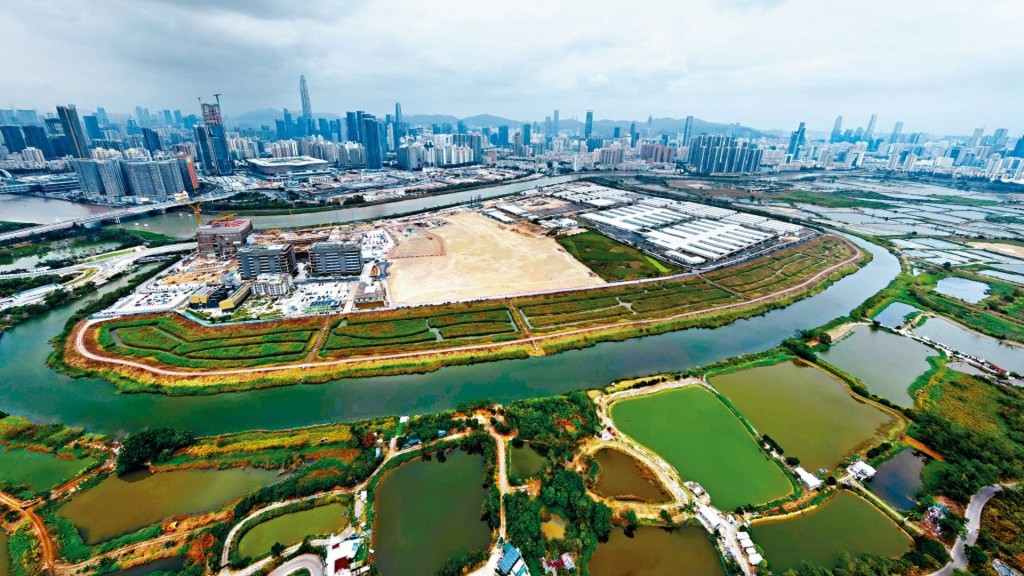
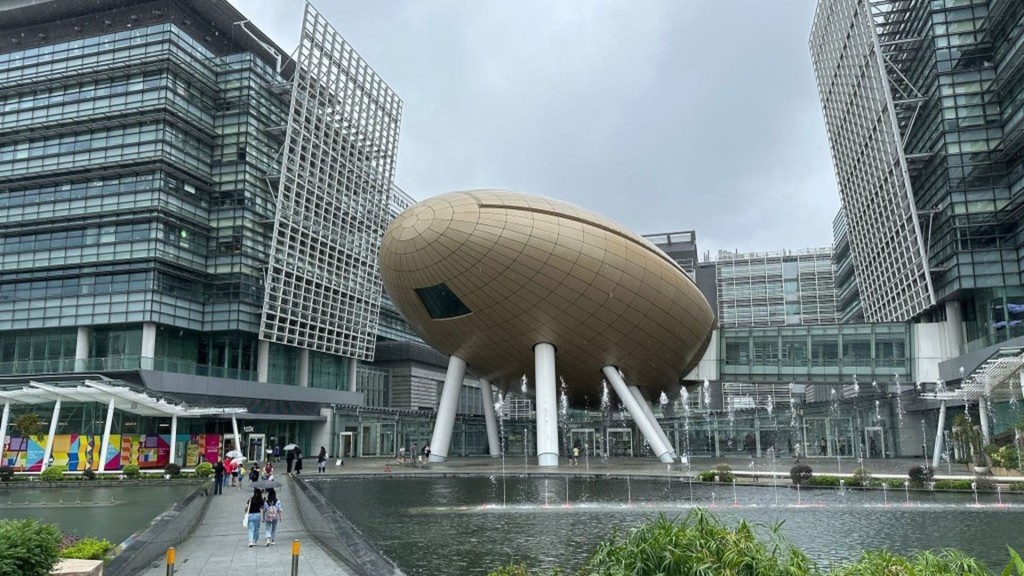
This fiscal mechanism directly aligns with the spatial transformation of the Northern Metropolis. As mega-projects in the San Tin Technopole and the Hetao Cooperation Zone break ground, cross-border supply chains, mainland research institutes, and engineering contractors will operate side by side. Paying public infrastructure contracts and scientific grants in yuan eliminates foreign exchange friction, hedging expenses, and transaction costs across the border. It provides an operational testbed for deep Greater Bay Area integration, synchronizing Hong Kong's fiscal outlays with mainland industrial supply chains without dismantling the city's regulatory distinctiveness.
Inevitably, institutionalizing yuan payments for government obligations creates a functional parallel dual-currency system. As corporate contractors and public vendors receive yuan, the currency's presence in daily wages, enterprise accounting, and merchant checkouts will expand across the territory.
Yet concerns that this mechanism will marginalize or replace the Hong Kong dollar misunderstand both constitutional reality and grand strategy. Legally, Article 111 of the Basic Law unambiguously stipulates that the Hong Kong dollar, as the legal tender of the SAR, shall continue to circulate.
Geopolitically, the Hong Kong dollar remains indispensable to Beijing precisely because of its separate status. Linked to the US dollar, fully convertible, and backed by robust foreign exchange reserves, the Hong Kong dollar serves as China's premier conduit to global capital markets. It allows mainland enterprises to raise Western institutional liquidity under the security of Hong Kong's common-law legal system. Prematurely displacing the Hong Kong dollar would sever this vital bridge, isolating China from global financial plumbing.
Rather than a monetary replacement, the Five-Year Plan establishes a pragmatic dual-track architecture: the yuan deepens its role as an operational currency for national integration, while the Hong Kong dollar preserves its vital role as an open gateway to the Western financial system.