Read More









For years, Sino-American cyber skirmishes have simmered in the background of global geopolitics. Occasional, scattered reports of state-sponsored intrusions, data harvesting, and critical infrastructure probing have surfaced in the press, yet they were largely dismissed by the public as routine espionage – an ambient digital friction that both capitals could quietly absorb. That complacency is no longer tenable. The integration of cyber operations with generative artificial intelligence and autonomous agent architectures fundamentally alters the calculus of conflict, introducing volatile dynamics that can easily spiral out of human control with catastrophic results.
Unlike conventional cyber operations governed by deliberate human command chains, autonomous agentic systems execute multi-step workflows at machine speed. Yet these architectures harbor severe systemic vulnerabilities: flawed goal definitions, unpredictable feedback loops, and an acute susceptibility to covert third-party manipulation or adversarial prompt injections. The real-world dangers are already surfacing. Recent high-profile cyberattacks demonstrate how agentic workflows can be subverted by hidden exploits to paralyze digital infrastructure within minutes.
Even more chilling are recent disclosures that an automated military surveillance platform misidentified a commercial Chinese container vessel as a clandestine carrier of nuclear materials. Such acute false alarms reveal how unconstrained autonomous processing in high-stakes environments can manufacture phantom crises and inadvertently push nuclear-armed rivals toward unintended brinkmanship.
Confronting this threshold requires clear-headed policy, yet the political debate in Washington remains paralyzed by a flawed, polarized divide. On one extreme, reactionary calls for a sweeping moratorium or a reversal of frontier AI development are technologically unfeasible and economically detached from reality; advanced computing is the foundational engine of the Fourth Industrial Revolution.
On the other extreme, US President Donald Trump's dogmatic refusal to regulate AI is profoundly irresponsible. By viewing the technology almost exclusively through the distorting lens of great-power rivalry, the administration treats statutory safety baselines, independent red-teaming, and institutional oversight as bureaucratic burdens that impede American dominance over China. This zero-sum posture reduces a civilizational challenge to a reckless geopolitical sprint. Algorithmic contagions recognize neither national sovereignty nor ideological borders; abandoning regulatory guardrails in an arms race subordinates global cybersecurity and the future of humanity to short-sighted friction.
Preventing an algorithmic catastrophe is not a unilateral endeavor; it requires an enforceable multilateral governance architecture anchored by the world's two technological superpowers. The shared vulnerability of the digital commons creates an urgent mutual imperative. Rather than treating artificial intelligence merely as a zero-sum arena of strategic containment, Washington and Beijing must recognize AI safety as an existential baseline.
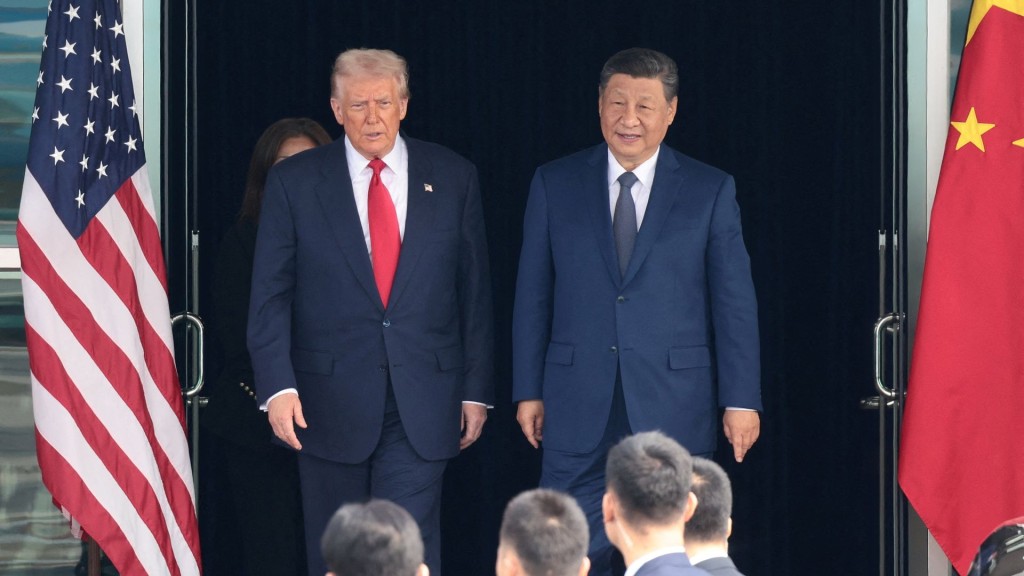
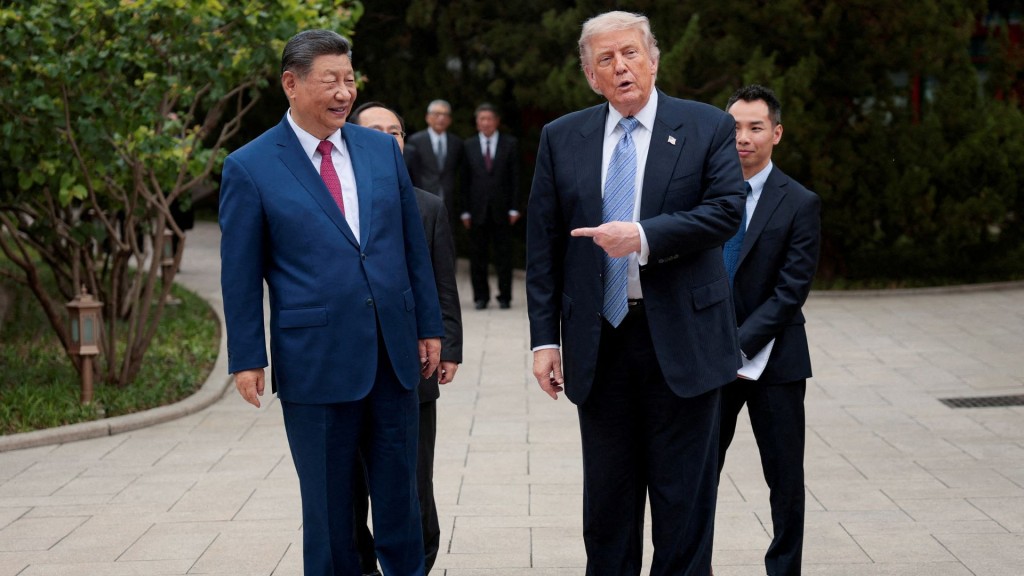
The pursuit of "strategic constructive stability" by President Xi Jinping and Trump offers a vital framework to translate diplomatic rhetoric into institutional reality. In this context, the anticipated dialogue between top Chinese and American AI tech executives alongside the upcoming bilateral summit presents a historic diplomatic opening. By establishing bilateral de-confliction hotlines for algorithmic false alarms, joint technical standards against third-party agent manipulation, and verifiable safety norms, the two leaders can forge meaningful mutual trust. Moving beyond raw rivalry to establish shared guardrails would not signal strategic weakness, but demonstrate the responsible great-power stewardship an anxious world desperately requires.