Read More





For decades, Hong Kong's innovation narrative has been defined by a frustrating structural paradox: five universities ranked among the world's top 100 generating world-class basic science, juxtaposed against an economy that historically struggled to translate academic breakthroughs into commercial realities.
The expansion of the flagship InnoHK initiative into clean energy and circular economy research represents a strategic departure from this insular past.
By deliberately aiming to bridge the gap "from laboratory to real-world impact," this push signals that Hong Kong is finally tackling the notorious "valley of death" that has long separated upstream research from downstream industrialization.
Targeting clean energy, resource upcycling, and sustainable materials is a shrewd tactical choice. Unlike consumer software applications, decarbonization and circular technologies require deep technical differentiation – precisely where Hong Kong's academic ecosystem excels. Through InnoHK's collaborative architecture, local researchers partner with premier global institutions to tackle pressing ecological dilemmas, ranging from advanced battery storage and hydrogen applications to catalytic waste recycling.
Crucially, commercial demand for green technologies is globally synchronized. Driven by stringent carbon disclosure mandates; corporate environmental, social and governance commitments; and mainland China's national "dual-carbon" targets, market demand for verifiable decarbonization solutions is immense. By anchoring InnoHK around clean tech, Hong Kong positions its research laboratories not as ivory towers, but as dynamic incubators producing technologies with immediate industrial off-takers across the Greater Bay Area and global supply chains.
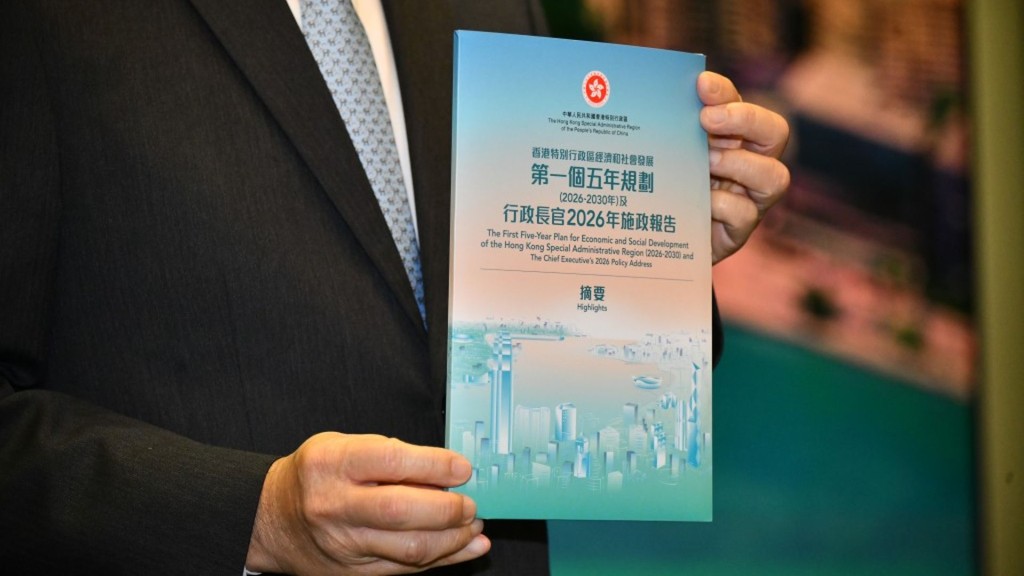
This translational focus directly reinforces the broader policy architecture unveiled in the 2026 Policy Address and the inaugural Five-Year Plan. To achieve the ambitious benchmark of raising gross domestic R&D expenditure to 3 percent of GDP, Hong Kong cannot rely indefinitely on public subventions. Sustainable R&D intensity demands that the private sector shoulder the majority of funding – a transition that materializes only when corporate investors see viable pathways from proof-of-concept to marketable intellectual property.
InnoHK's clean energy clusters serve as the essential midstream catalyst. By de-risking early-stage prototyping and providing institutional infrastructure for spin-offs, these centers turn academic patents into investable corporate assets. This operational model connects naturally with Hong Kong's status as Asia's leading green finance hub, creating a self-reinforcing flywheel where offshore capital directly finances homegrown green innovation.
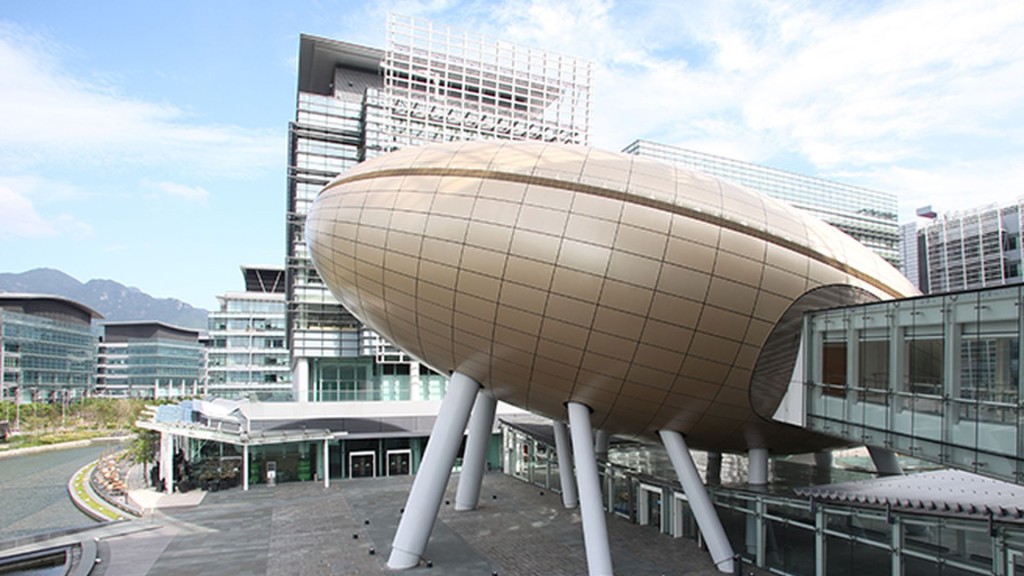
The ultimate test of InnoHK's real-world impact will be physical scalability. The Hong Kong Science Park operates near capacity, and hardware-intensive clean tech requires pilot testing and advanced manufacturing that laboratory benches cannot accommodate.
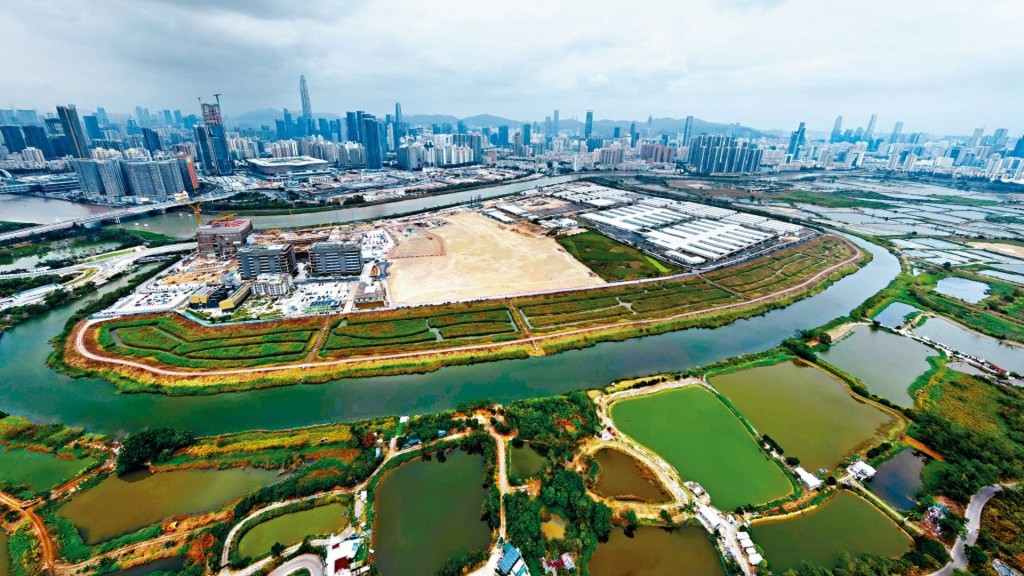
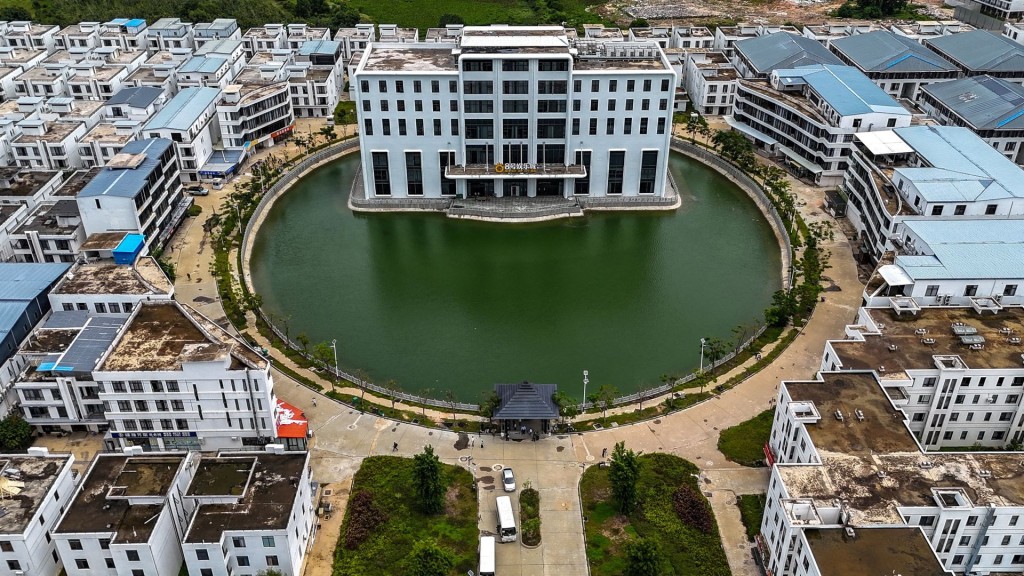
The true realization of this green agenda depends on the Northern Metropolis, particularly the San Tin Technopole and the Hetao Cooperation Zone.
By providing the spatial footprint for pilot manufacturing lines and cross-border testing sandboxes, these emerging hubs will allow InnoHK's clean energy spin-offs to scale without migrating elsewhere.
Translating world-class laboratory science into scalable sustainability solutions is no longer just an academic pursuit; it is the cornerstone of Hong Kong's new industrial paradigm.