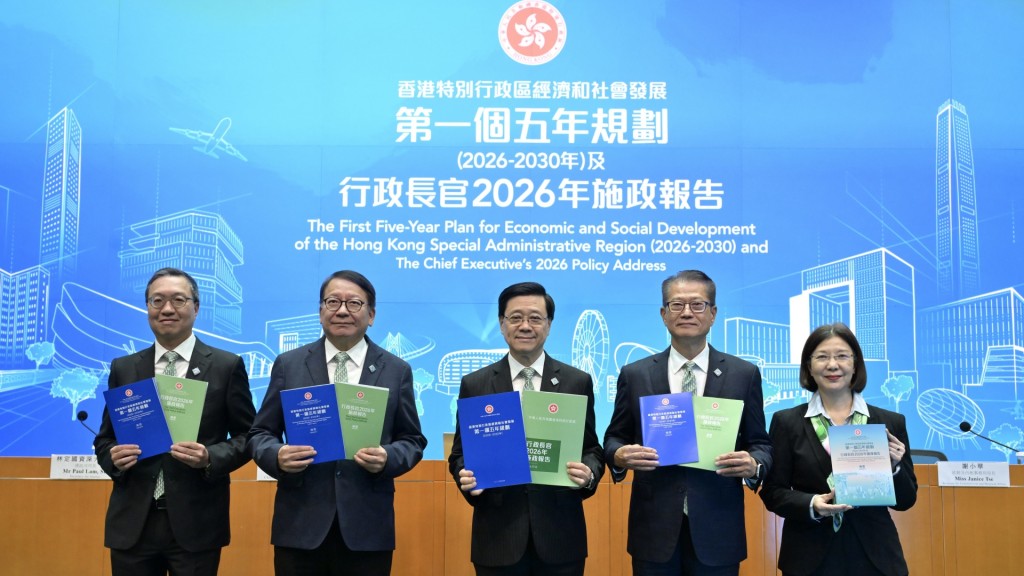
The government's first Five-Year Plan and the latest Policy Address have lifted confidence in Hong Kong's future among 67 percent of surveyed citizens, according to a survey by Sing Tao News Corporation.
The online poll, which ran from September 19 to 28, gathered 8,808 responses on the two documents outlining the city's future direction.
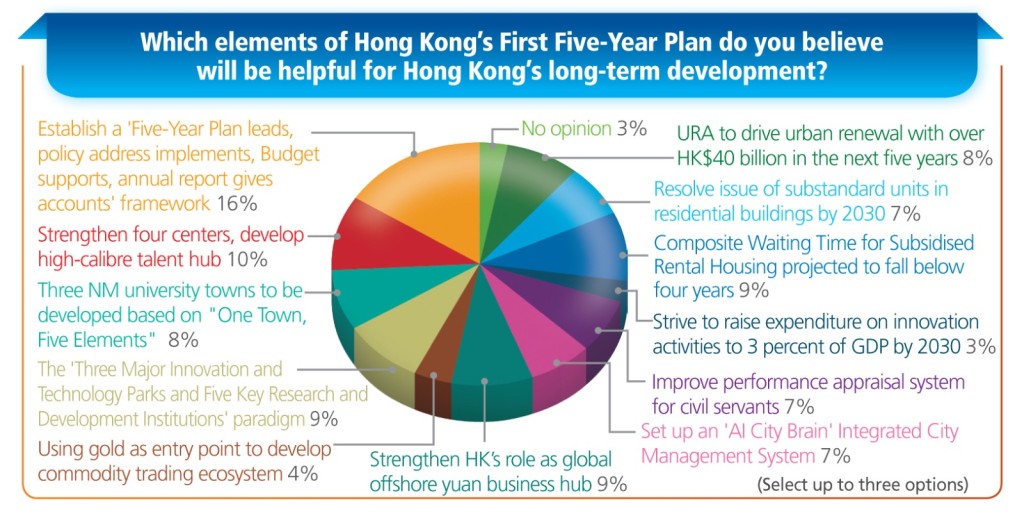
Regarding elements of the city's First Five-Year Plan that they believed would most help Hong Kong's long-term development, 16 percent of respondents chose “Establish a ‘Five-Year Plan leads, Policy Address implements, Budget supports, annual report gives accounts’ framework.” This was followed by “Strengthen the four centers, develop the hub for high-caliber talent” at 10 percent.
Closely behind are three measures that tie at 9 percent, which include cutting the Composite Waiting Time for Subsidised Rental Housing to under four years by 2030-31; developing the new "three major I&T parks and five key research and development institutions” paradigm; and strengthening Hong Kong's role as global offshore yuan business hub.
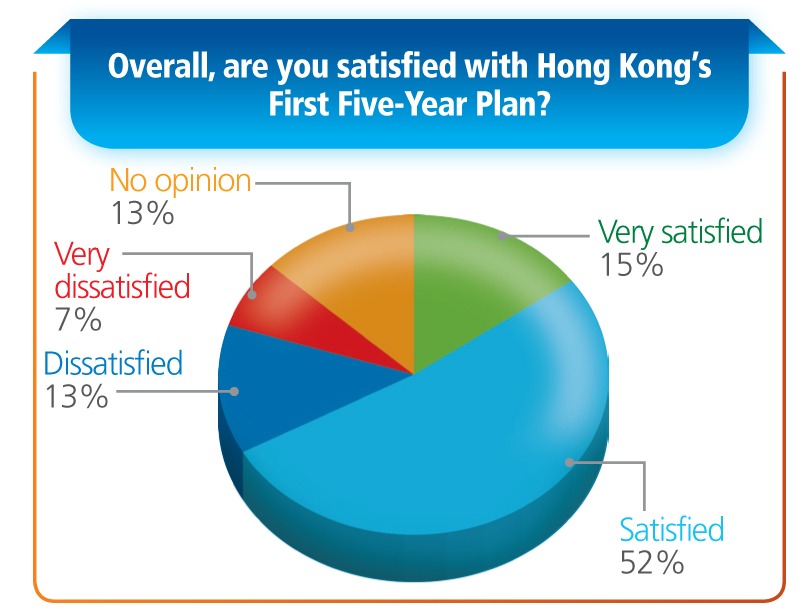
Notably, the overall satisfaction with the city's Five-Year Plan stood at 67 percent, with 52 percent satisfied and 15 percent very satisfied, while 13 percent were dissatisfied. Satisfaction with the latest Policy Address rose to 66 percent from 62 percent in last year's survey, with 51 percent of respondents satisfied and 15 percent very satisfied.
As for whether Hong Kong's Five-Year Plan and Policy Address boosted their confidence in Hong Kong’s prospects, 67 percent of respondents were positive.
Addressing the strong support for the administrative framework in the Five-Year Plan, lawmaker Kitson Yeung Wing-kit described it as a positive signal in the pursuit of a clear path for Hong Kong's long-term development, as the plan set the broad direction while the Policy Address delivered specific policies.
He added that the survey confirmed housing remained a top priority among citizens, and that he believes the government measures could provide better living conditions to meet people's needs and help raise the birth rate.
In a similar sentiment, lawmaker Lam Chun-sing said that recent government reforms had tackled the city's long-standing housing problems, with shorter waiting times rekindling hope among residents.
He said the public now expected longer-term planning beyond individual policies, including whether their lives would improve in five years and how the Northern Metropolis would develop.
Meanwhile, lawmaker Ken Wong Kam-leung said the findings reflected wide recognition that industry-academia-research collaboration and innovation education were central to Hong Kong's long-term transformation.
Healthcare in focus as 14pc back increased HA outpatient clinic quotas
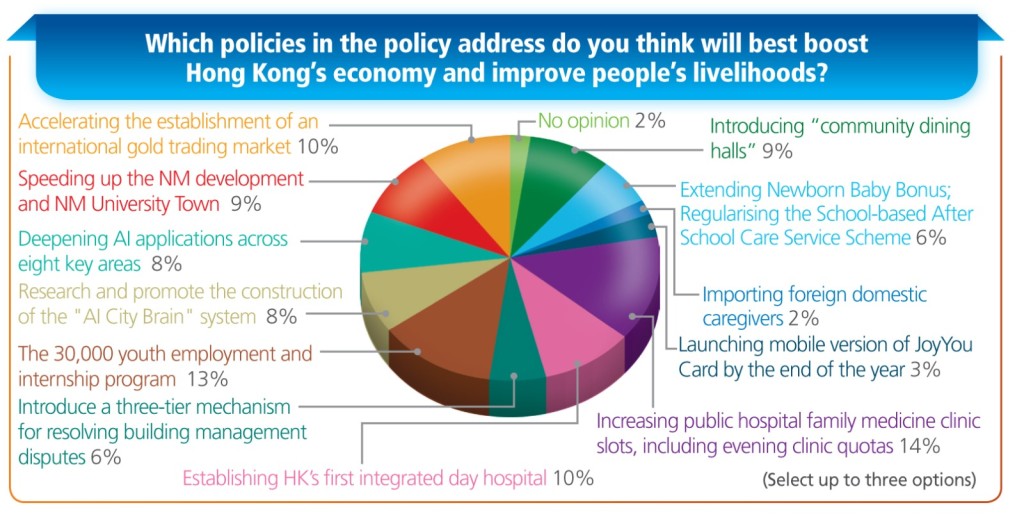
Increasing public hospital family medicine clinic slots, including evening clinic quotas, was backed by 14 percent of respondents as a policy in the Policy Address that will best boost Hong Kong's economy and improve people's livelihoods.
It was followed by the "30,000 Youth Employment and Internship Program" at 13 percent, with the city's first integrated day hospital and accelerating the establishment of an international gold trading market standing at 10 percent each.
Other notable measures included speeding up the development of the Northern Metropolis and its university town, and introducing "community dining halls" to provide affordable and nutritious meals, which each drew 9 percent.
Only 6 percent of respondents chose the government's childbirth incentives, with the HK$20,000 Newborn Baby Bonus having been extended and the amount raised to HK$30,000 from the second child.
Healthcare also topped the list at 17 percent when the respondents were asked about the room for improvement for the Five-Year Plan and the Policy Address, ahead of land and housing at 15 percent and social welfare at 14 percent.
On the support for more family clinic slots, lawmaker Elaine Chik Kit-ling believed it reflected the long-standing problems among grassroots citizens, especially the challenges in booking appointments for the elderly. She called for greater long-term flexibility in the primary healthcare safety net, including a review of the Public-Private Partnership Program and greater use of private clinics and district health centers to ease the night-session load.
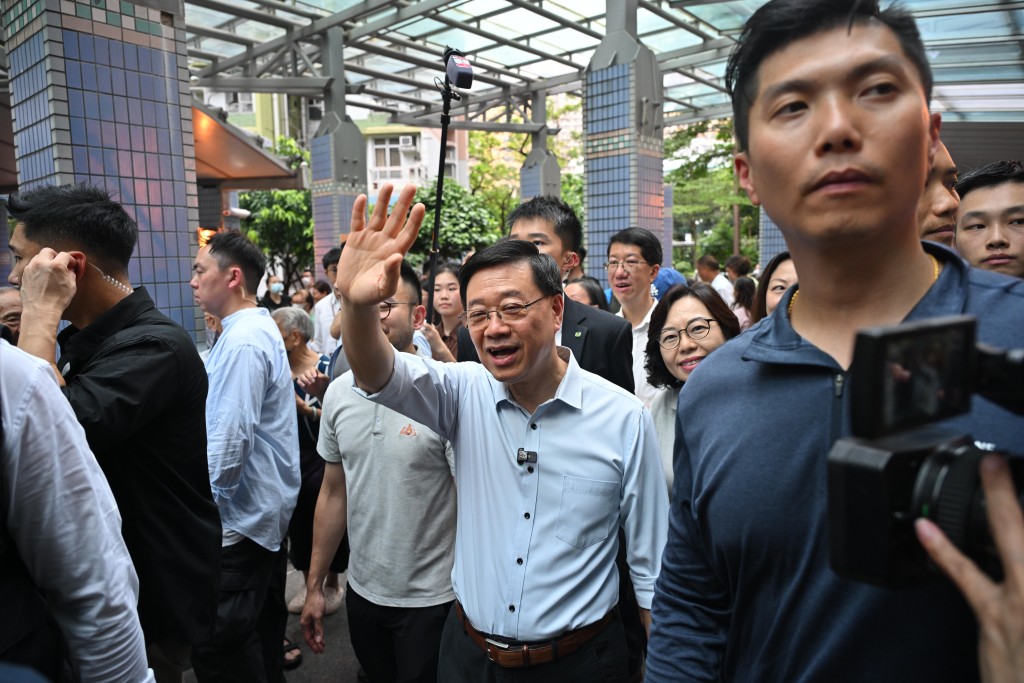
The survey also found that most respondents viewed the city leader as demonstrating a long-term vision and taking a proactive approach when asked to describe Chief Executive John Lee Ka-chiu’s approach and style of governance.
Twenty-one percent of respondents said Lee “demonstrates a long-term vision, engaging in forward-looking, strategic planning for Hong Kong’s development.” Meanwhile, "takes a proactive approach, willing to shoulder responsibility" and "pragmatic and attuned to public well-being, focusing on citizens' direct needs" each drew 15 percent.
Close behind were "shows courage in eliminating barriers, with a flexible and adaptable approach to governance," and "possesses a clear and well-defined vision, with concrete policy objectives and pathways," as well as "deepens reforms, emphasizing innovation in governance," each of which drew 13 percent