






Read More

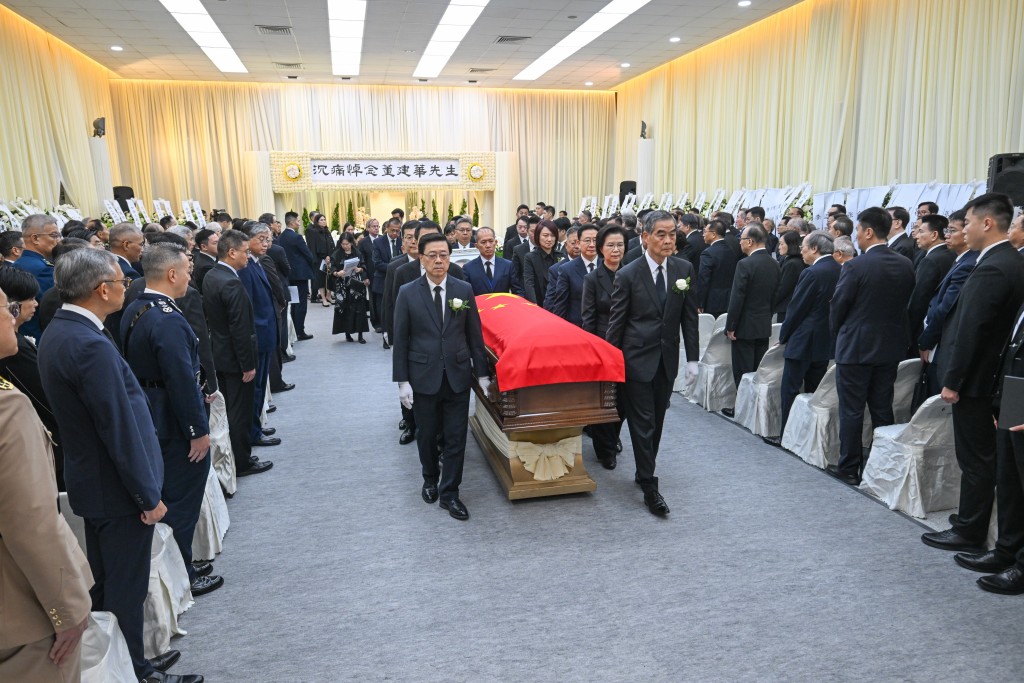
John Lee and CY Leung lead pallbearers for Tung Chee-hwa
20-09-2026 15:54 HKT
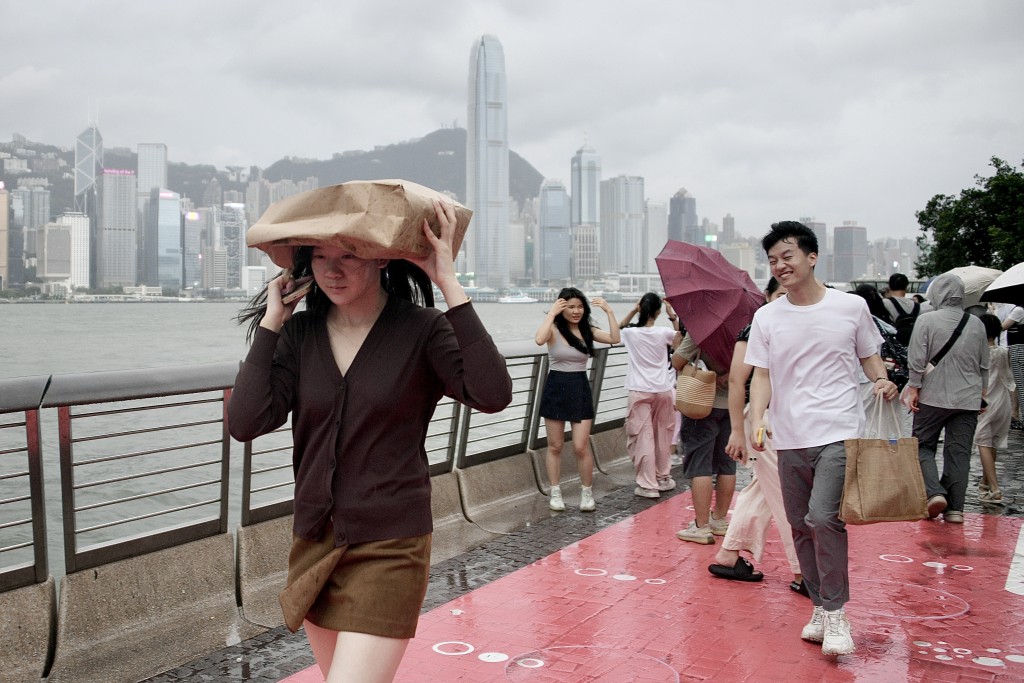
HKO forecasts showers Tuesday, tracks possible cyclone east of Philippines
21-09-2026 17:31 HKT


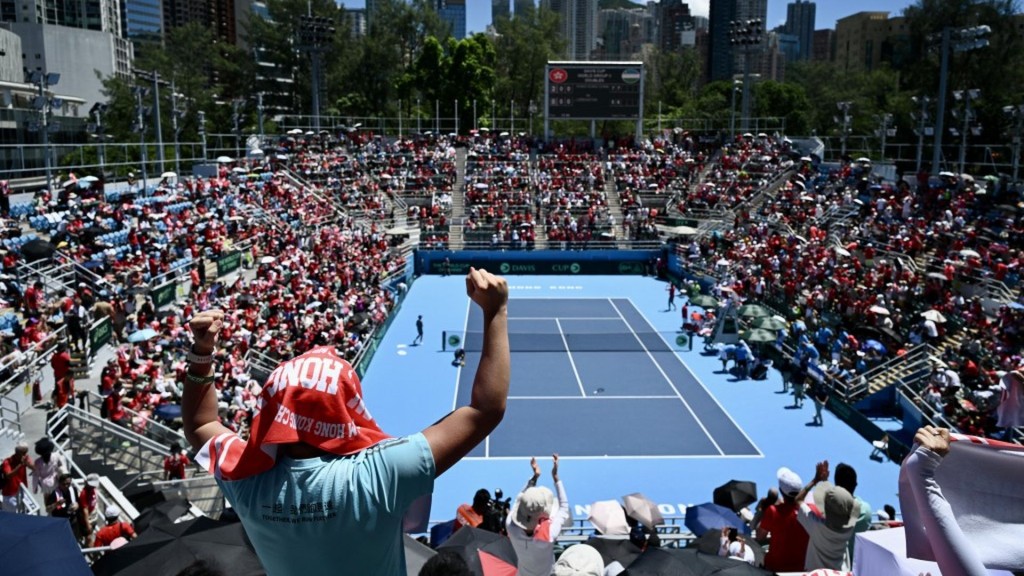
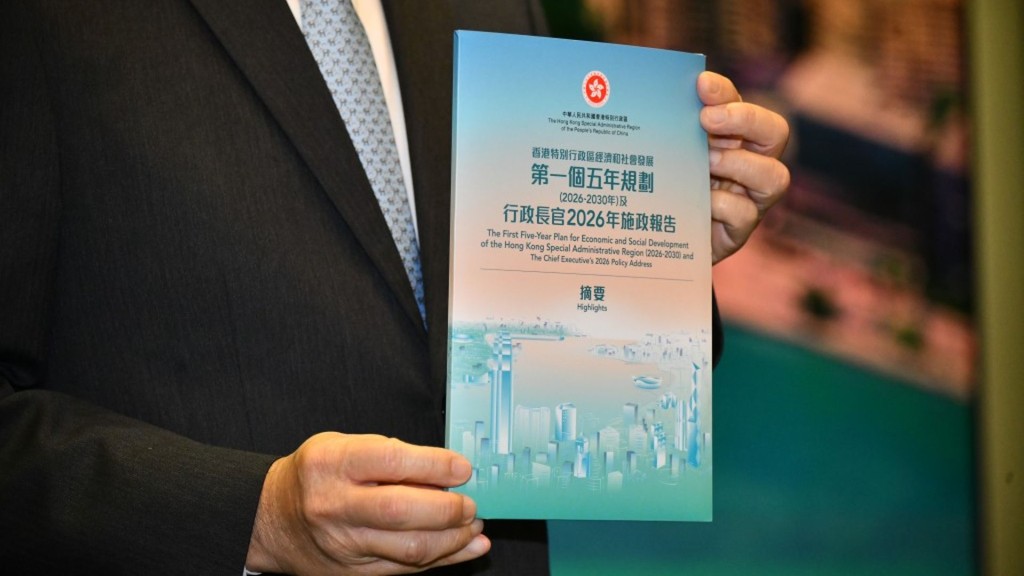
Hong Kong's athletes are once again capturing regional acclaim at the 2026 Aichi-Nagoya Asian Games, building on historic triumphs in Paris and Hangzhou to deliver stellar performances across fencing, swimming, and track events. This sporting momentum reflects years of targeted institutional investment. In the 2026 Policy Address and inaugural Five-Year Plan, the government reaffirmed its five core policy pillars: supporting elite sports, hosting major international events, enhancing professionalism, developing sports as an industry, and promoting sports in the community. Key hardware upgrades – most notably redeveloping the Victoria Park Tennis Centre Court into an iconic, 7,000-seat all-weather stadium alongside the operational Kai Tak Sports Park – demonstrate the city's commercial and mega-event ambitions.
In recent years, the administration has vigorously positioned the sports industry and mega-events as a promising new growth engine to diversify the city's economic base. High-profile tournaments attract affluent international visitors, generate broadcast revenues, and stimulate domestic consumption across hospitality and retail. However, a thriving sports economy cannot be sustained as a top-heavy spectacle; it requires a vibrant grassroots sports culture as its living foundation.
Beyond commerce, community sports participation is an urgent public health imperative. Regular physical activity serves as powerful preventive medicine – not only mitigating chronic physical ailments to curb long-term burdens on the Hospital Authority, but also bolstering community mental health, relieving chronic stress, and building emotional resilience across a dense, fast-paced metropolis.
Equally vital, cultivating an active sports culture at the children's level forms the indispensable foundation of high-performance athletics. Elite champions rise from a broad societal base. Crucially, expanding accessible neighborhood venues ensures that sports does not remain an exclusive pursuit for affluent families who can afford private club memberships or commercial academies. Providing abundant, affordable public courts democratizes participation, allowing youth from ordinary households to build athletic literacy and enabling coaches to scout talent across every socioeconomic stratum. To foster this culture, the government should expand subsidized district-level junior leagues, introduce low-cost trial clinics in public housing estates, and partner with District Health Centres to prescribe family-oriented fitness routines.
Translating this grassroots ethos into daily practice requires dismantling stubborn bottlenecks in facility access. For years, ordinary citizens have faced chronic frustration with booking hoarding and illicit scalping. The government's recent tightening of SmartPLAY booking rules and anti-touting deterrents rightly acknowledges this governance challenge, establishing greater digital fairness.
However, regulatory enforcement alone cannot resolve physical venue scarcity. Rather than waiting decades for monolithic municipal complexes, urban planners should pursue agile spatial solutions – transforming vacant flyover undercrofts, multi-story carpark rooftops, and public housing podiums into modular courts for 3x3 basketball, badminton, and racket sports. Furthermore, in urban redevelopment projects and the Northern Metropolis, the government should grant statutory Gross Floor Area concessions for private developers who construct and maintain affordable, publicly accessible sports amenities.
A world-class sports city cannot measure success solely by podium counts or mega-stadium turnstiles. Hong Kong must ensure that the pride ignited in Nagoya inspires accessible neighborhood courts, fostering healthier minds and bodies, sustaining a vibrant sports economy, and cultivating tomorrow's champions.