
Read More
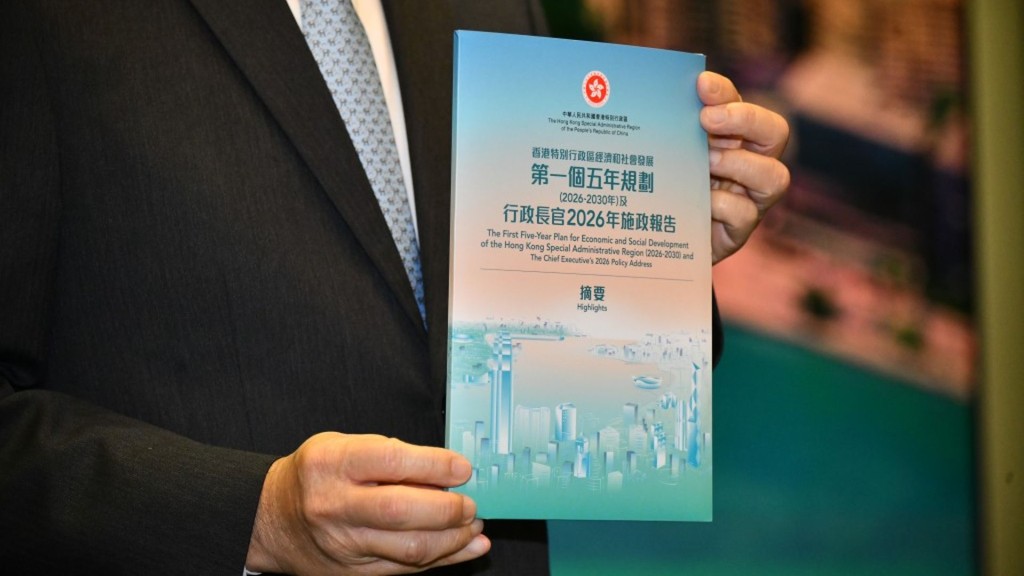
The synchronized release of the 2026 policy address and Hong Kong's maiden Five-Year Plan (2026–2030) marks a historic shift from incremental governance to structured, multiyear industrial statecraft. At the core of both documents lies a unified ambition: steering Hong Kong decisively into the Fourth Industrial Revolution as a comprehensive international innovation and technology hub. Rather than relying on fragmented grants, the blueprints formulate a coordinated triad of spatial expansion, human capital pipelines, and financial engineering.
ADVERTISEMENT
SCROLL TO CONTINUE WITH CONTENT
Northern Metropolis as tech anchor
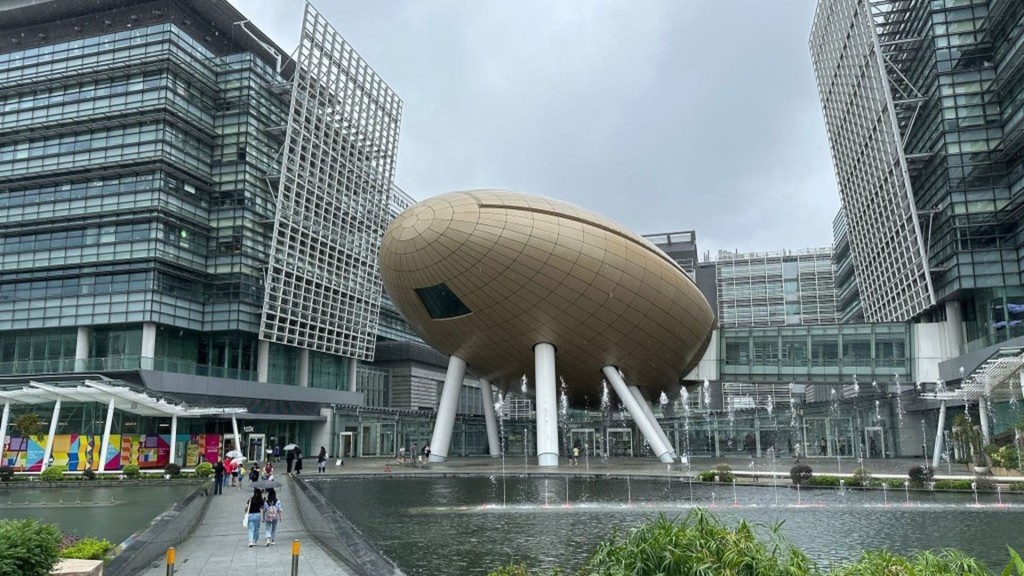
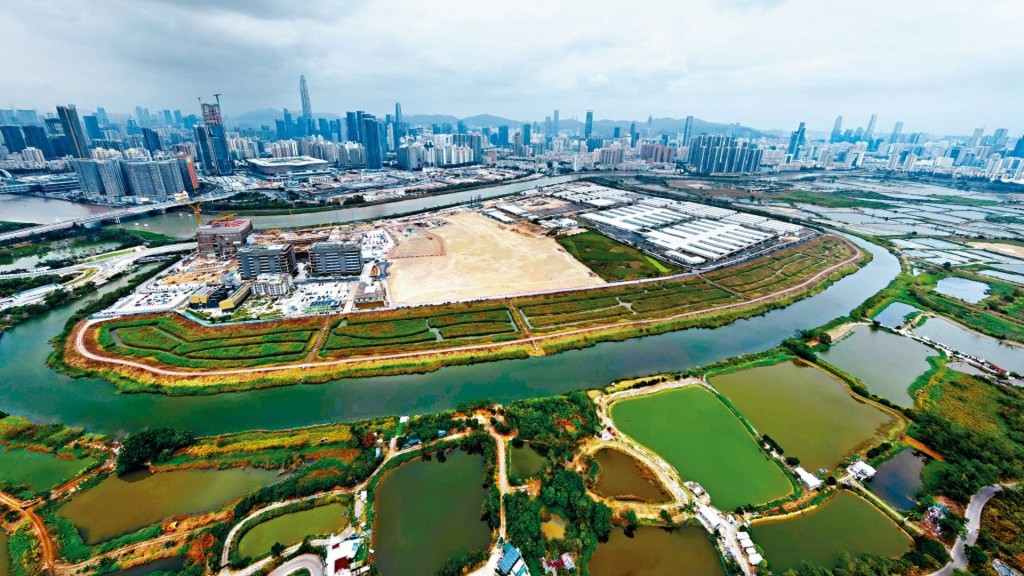
Physical infrastructure forms the tangible base of the government's technological strategy. For decades, Hong Kong's innovation capacity was constrained by a lack of scalable land for pilot production, laboratory clusters, and collaborative campuses. The twin policy documents address this bottleneck by accelerating the Northern Metropolis University Town, designed to interface directly with the San Tin Technopole and the Hetao Shenzhen-Hong Kong Science and Technology Innovation Cooperation Zone.
By concentrating domestic and international higher education institutions, post-doctoral research institutes, and corporate R&D laboratories within a contiguous geographic zone, the University Town creates an end-to-end spatial pipeline. It bridges basic scientific research with applied industrial prototyping, allowing Hong Kong to leverage Shenzhen's supply chains while maintaining its own common-law legal protections and open data architecture.
Nurturing and attracting global talent
Physical campuses require an expanding talent reservoir. To anchor Hong Kong as an International Hub for High-calibre Talent, the blueprints establish a complementary human capital strategy that links international recruitment with domestic institutional reform.
Internally, the government pledges to advance quality education and nurture a diversified pool of talent, expanding university degree quotas, postgraduate research funding, and vocational programs in key STEM fields such as machine learning, microelectronics, and biotechnology.
Externally, the administration continues refining targeted talent acquisition channels to attract world-class scientists and tech entrepreneurs navigating Western export curbs. Positioned within the Northern Metropolis ecosystem, this framework ensures that domestic workforce upskilling and international recruitment reinforce one another.
'Finance + Tech' and B&R deployment
A viable innovation ecosystem demands sophisticated, patient capital to bridge the gap between academic discovery and commercial viability. Through the strategic framework of "Finance + Technological Innovation," the blueprints mobilize both public balance sheets and private markets. This includes targeted co-investments via the Hong Kong Investment Corporation, expanded listing pathways for pre-revenue deep-tech firms, and dedicated credit facilities.
This financial engine is systematically linked to international markets through the "Green Technology Bridgehead Programme," which positions Hong Kong as an incubator and testing ground to finance, certify, and export decarbonization, renewable energy, and circular economy solutions.
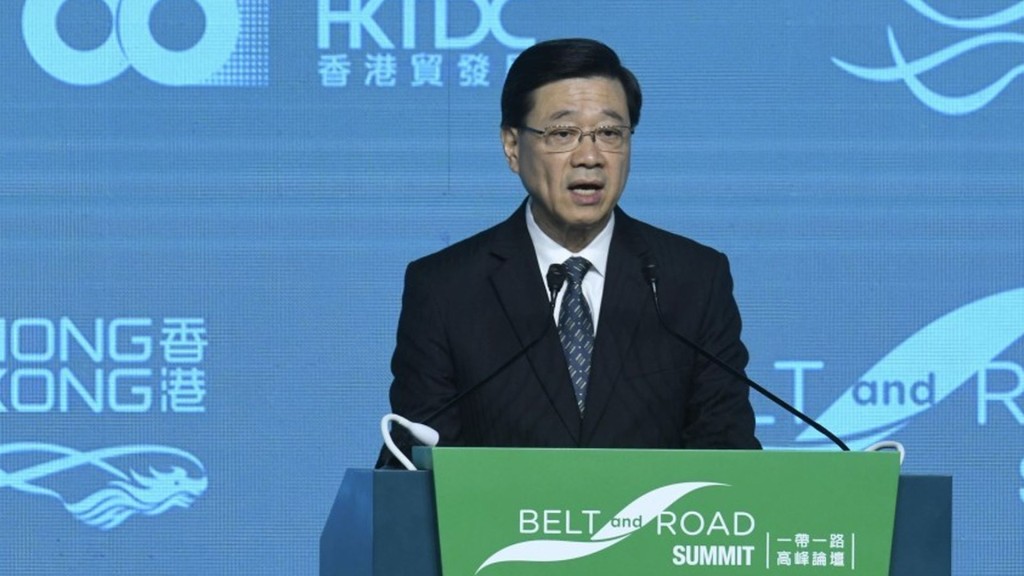
Furthermore, the city is embedding its technology sector into national foreign economic policy. Hong Kong will actively participate in the implementation of the Belt and Road Science, Technology and Innovation Co-operation Action Plan, while leveraging platforms such as the Belt and Road Conference on Science and Technology Exchange and the Belt and Road Ministerial Meeting on Science, Technology and Innovation.
By matching international capital with the technical needs of emerging markets across Southeast Asia, Central Asia, and the Middle East, Hong Kong positions itself as an indispensable multilateral nexus.
Together, the Five-Year Plan and the 2026 policy address provide a cohesive architecture: The spatial blueprint houses the ecosystem, the talent strategy powers research, and innovative finance drives global commercialization.