
Read More
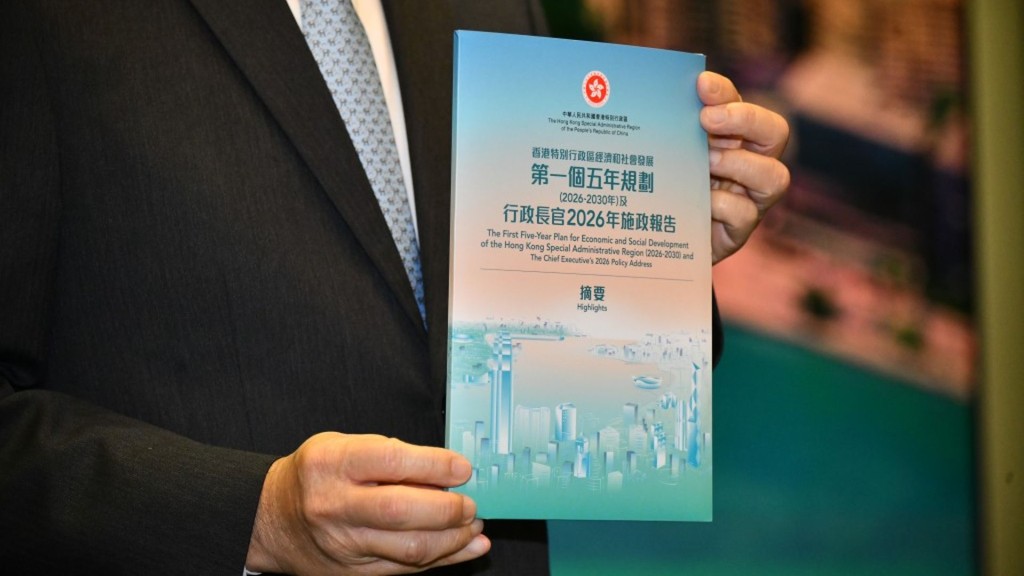
The unveiling of Hong Kong's first-ever Five-Year Plan (2026–2030) marks a historic turning point in the city's governance philosophy. Long accustomed to incremental, annual policy pronouncements, the Special Administrative Region is decisively shifting toward proactive, medium-to-long-term strategic governance.
ADVERTISEMENT
SCROLL TO CONTINUE WITH CONTENT
As the Fourth Industrial Revolution gathers unprecedented speed, powered by generative artificial intelligence, automation, and advanced data sciences, Hong Kong faces an existential imperative to restructure its economic foundation. Relying predominantly on traditional pillars like real estate and conventional financial brokerage is no longer viable in a technology-driven global order.
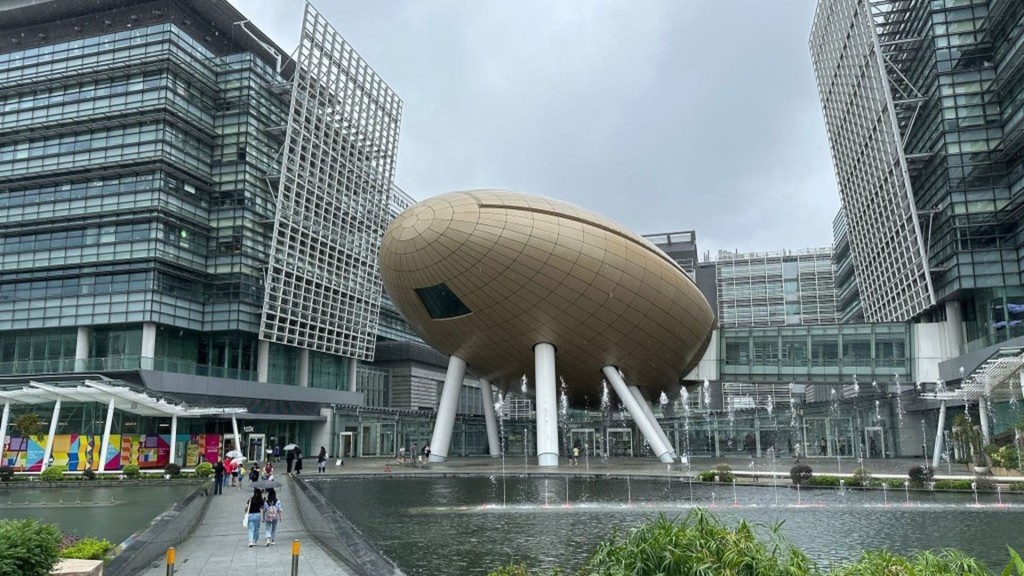
A comprehensive multi-year strategy provides the coherent institutional scaffolding required to cultivate frontier innovation – from the Hetao Shenzhen-Hong Kong Science and Technology Innovation Cooperation Zone to the Northern Metropolis – steering Hong Kong firmly into the AI era.
Predictability amid global volatility
In an international environment defined by intensifying geopolitical fragmentation, trade realignments, and tech-sector frictions, policy predictability has become a rare and valuable asset. For international investors, a transparent five-year strategy demystifies Hong Kong's institutional trajectory. Rather than navigating fragmented year-to-year announcements, global capital can now evaluate multi-year commitments in digital infrastructure, AI compute clusters, and cross-border regulatory integration with the wider Greater Bay Area.
Far from deterring foreign enterprise, policy clarity provides institutional certainty. It reassures global firms that Hong Kong's strategic transformation into an international innovation and technology hub is anchored by sustained fiscal resources, dedicated land allocation, and legislative backing.
Skeptics may argue that multi-year planning contradicts Hong Kong's capitalist ethos. Yet proactive public planning is neither alien to the territory nor anathema to market dynamism. During the 1970s, British colonial Governor Murray MacLehose demonstrated that far-sighted state intervention was indispensable to empowering private enterprise. His transformative long-term initiatives – the Ten-year Housing Programme, the creation of New Towns, nine-year compulsory education, the establishment of the Independent Commission Against Corruption, and the construction of the Mass Transit Railway – did not supplant the free market; they established the social stability, physical connectivity, and human capital that propelled Hong Kong's golden economic era.
Today's blueprint revives this tradition of indicative planning. By transcending the short-termism of annual fiscal budgeting, it offers the local population a shared, forward-looking horizon. Amid rapid technological shifts, it provides citizens and businesses with a common developmental goal around which workforce upskilling, housing delivery, and capital formation can coalesce.
Imperative of agility over rigidity
Crucially, strategic planning must not be mistaken for administrative rigidity or command-economy mandates. Hong Kong's enduring vitality has always derived from its speed, openness, and market-driven adaptability. In an era where AI paradigms evolve every few months and macroeconomic shocks emerge unpredictably, the government must ensure the Five-Year Plan functions as an agile, living compass rather than an unbending doctrine.
Incorporating institutionalized midterm reviews, transparent feedback loops with private industry, and dynamic adjustment triggers will allow policymakers to pivot rapidly in the face of unforeseen disruptions.
By marrying long-term strategic direction with market responsiveness, Hong Kong's maiden plan offers more than an administrative blueprint; it provides the collective confidence and institutional resilience needed to thrive in a turbulent world.