






Read More


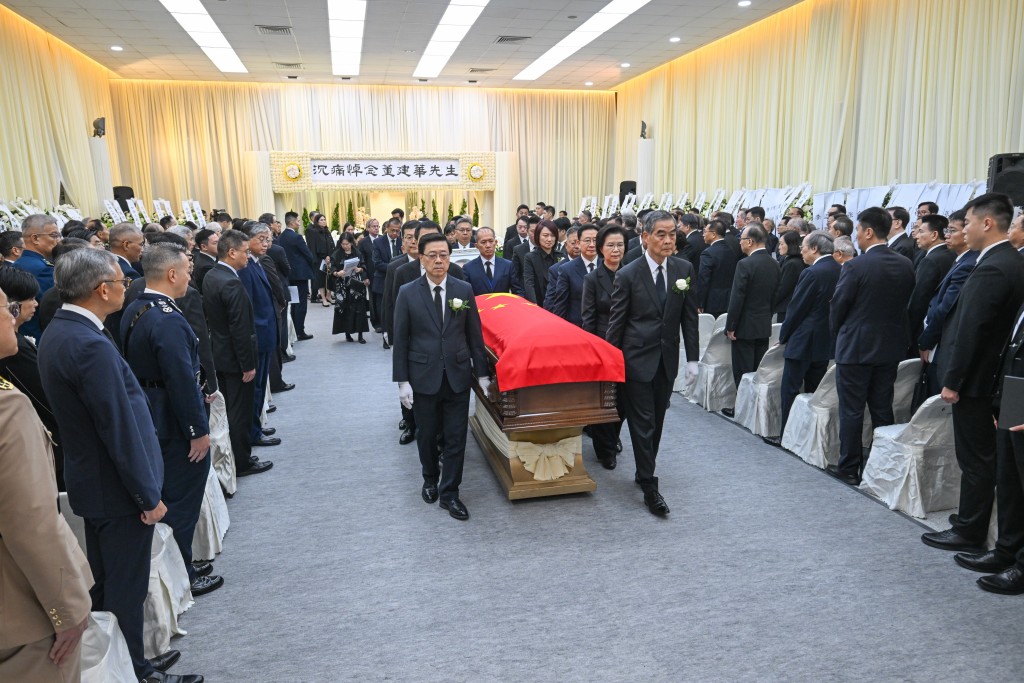
John Lee and CY Leung lead pallbearers for Tung Chee-hwa
20-09-2026 15:54 HKT
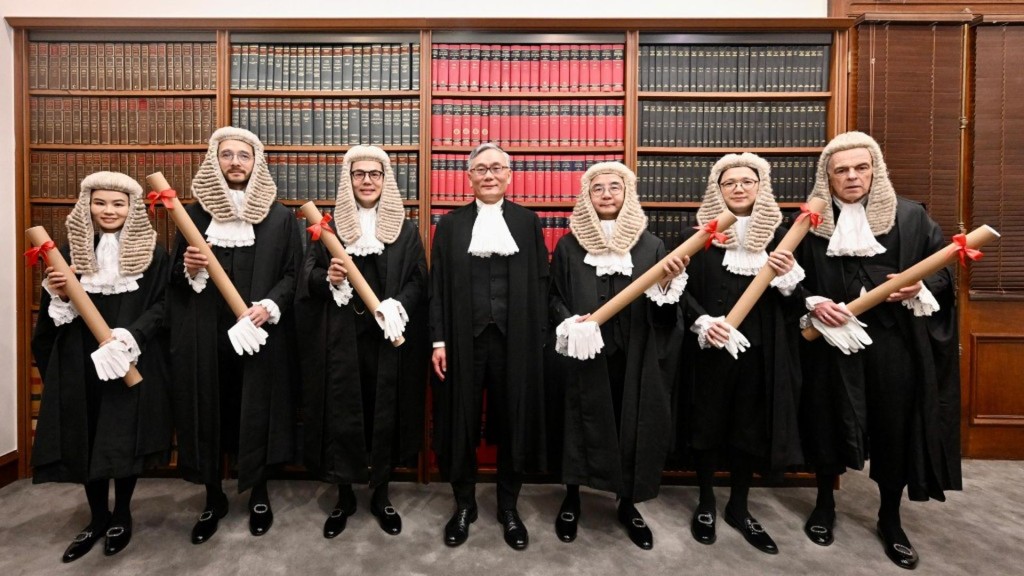
Law Society proposes allowing solicitors to be appointed Senior Counsel
21-09-2026 01:56 HKT


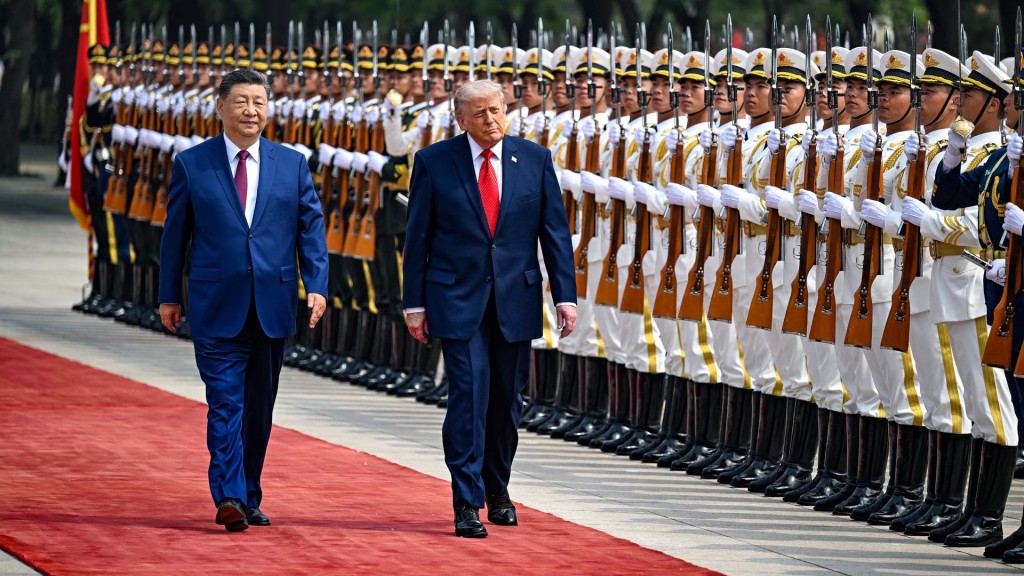
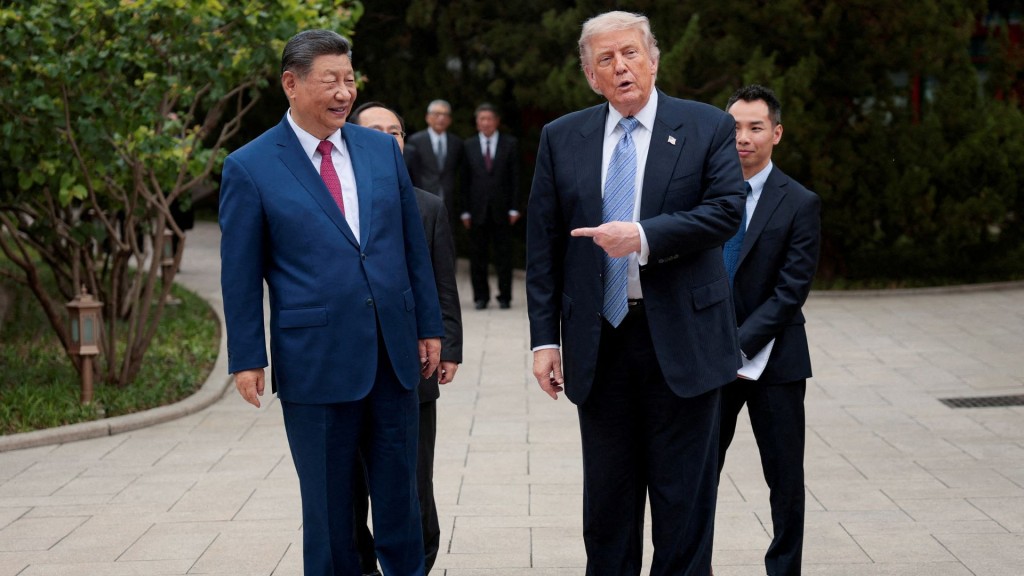
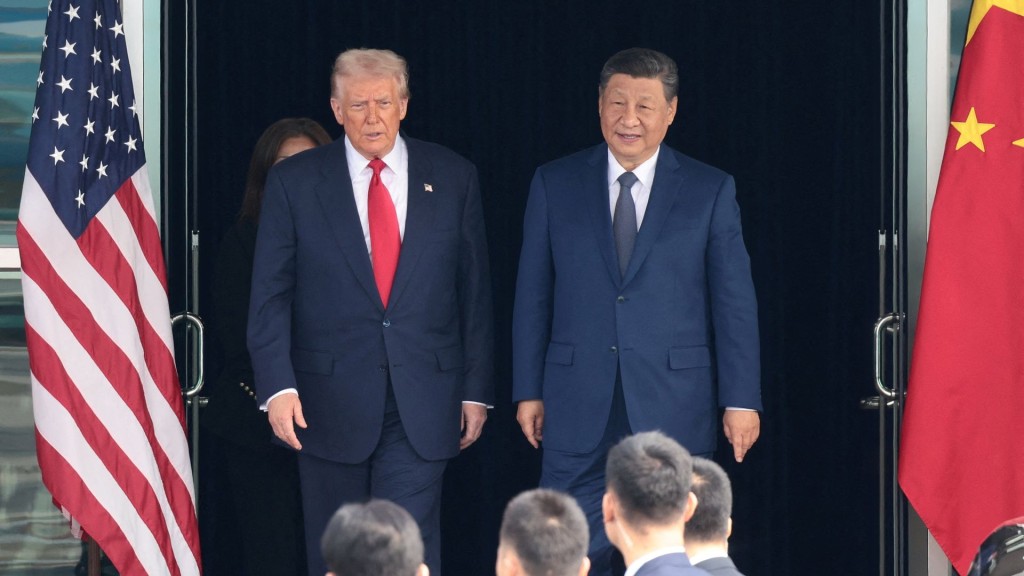
Diplomatic protocol often reveals what official communiques seek to obscure. As President Xi Jinping prepares for his high-stakes visit to the United States, reports that US President Donald Trump plans to personally greet him on the airport tarmac signify a stark inversion of leverage. During Trump's state visit to Beijing earlier this year, Chinese protocol adhered strictly to standard diplomatic practice without such exceptional gestures.
The American president's willingness to dispense with traditional precedent reflects classic Trumpian transactionality: an overt readiness to trade diplomatic protocol and personal deference for immediate, tangible political deliverables before an anxious domestic audience. Facing an uphill electoral battle, the White House needs Beijing far more urgently than Beijing needs Washington.
With the November midterm elections barely two months away, Trump's political standing is severely compromised by low approval ratings and stubborn cost-of-living pressures.
In this volatile environment, China commands decisive economic levers that directly touch Trump's political base. Foremost among these is agriculture.
Trump urgently needs Beijing to sustain large-scale purchases of American agricultural exports – most notably soybeans – to placate an anxious Midwestern farm belt, from Iowa to the Rust Belt, where congressional control hangs in the balance.
Simultaneously, Trump cannot afford a renewed tariff flare-up that would reignite consumer inflation just as voters head to the ballot box. On the energy front, the White House continues to rely on China – the world's largest crude oil importer – to help anchor global oil prices, an equilibrium for which Trump has previously offered public gratitude.
Keeping commercial flows stable and maritime conduits open is vital to suppressing domestic fuel costs, depriving Trump's opponents of their most potent economic cudgel.
Beyond economics, Trump is searching for an international breakthrough to burnish his reputation as a dealmaker, seeking Beijing's assistance to facilitate renewed dialogue with North Korean leader Kim Jong Un.
Yet, while Trump craves a headline-grabbing diplomatic win, the deep structural fissures dividing Washington and Pyongyang cannot be erased by theatrical summitry.
Crucially, Beijing harbors no illusions about a grand bilateral reconciliation. The US will almost certainly not relax its suffocating export curbs on advanced semiconductors, artificial intelligence compute architecture, and chipmaking equipment – a technology blockade anchored by an unyielding bipartisan consensus in Washington. The "constructive strategic stability" Beijing pursues is therefore intensely pragmatic.
By utilizing its leverage ahead of the midterms, China can enforce diplomatic discipline: demanding Washington strictly adhere to the One China principle, curb provocative arms sales to Taipei, and preserve the tariff truce.
Rather than expecting concessions on advanced chips, Beijing's real prize is securing an indispensable strategic window – macroeconomic breathing room to insulate its supply chains, accelerate domestic semiconductor self-reliance, and power its Fourth Industrial Revolution away from external shocks.
When the two leaders meet, the runway greeting will capture this temporal divide: Trump bargaining protocol for immediate electoral survival, while Xi secures the strategic space for long-term national transformation.