
Read More
Chinese Foreign Minister Wang Yi's latest high-level diplomatic mission to Seoul signals a calculated and proactive recalibration of Northeast Asian security dynamics.
ADVERTISEMENT
SCROLL TO CONTINUE WITH CONTENT
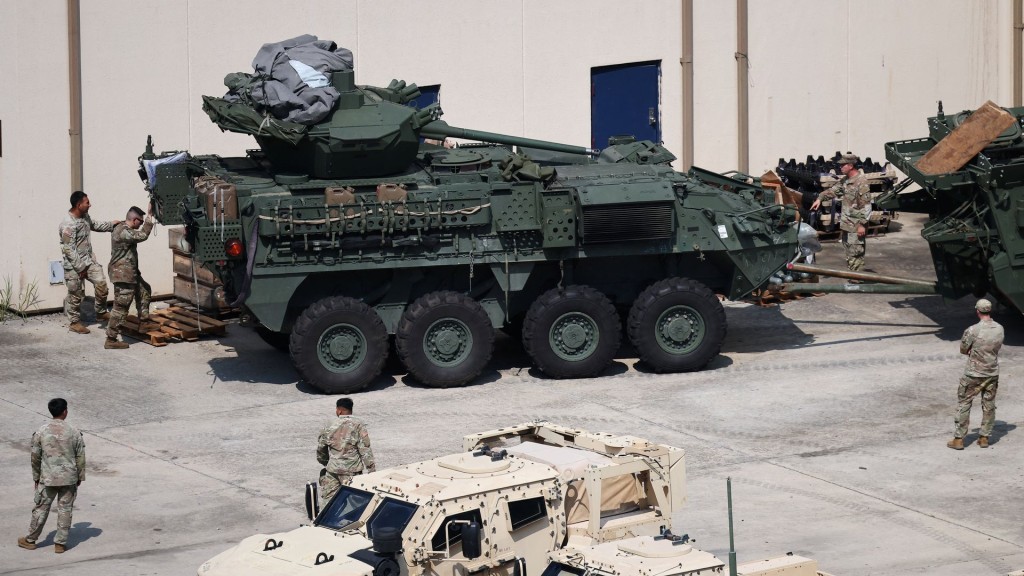
Amid shifting regional alignments, Beijing is actively stepping into the diplomatic space left by an overextended Washington. With substantial American naval, air, and precision strike assets diverted toward ongoing conflicts in the Middle East and Eastern Europe and the significant downsizing of the annual joint military drills, the credibility of Washington's forward posture in East Asia is facing unprecedented scrutiny.
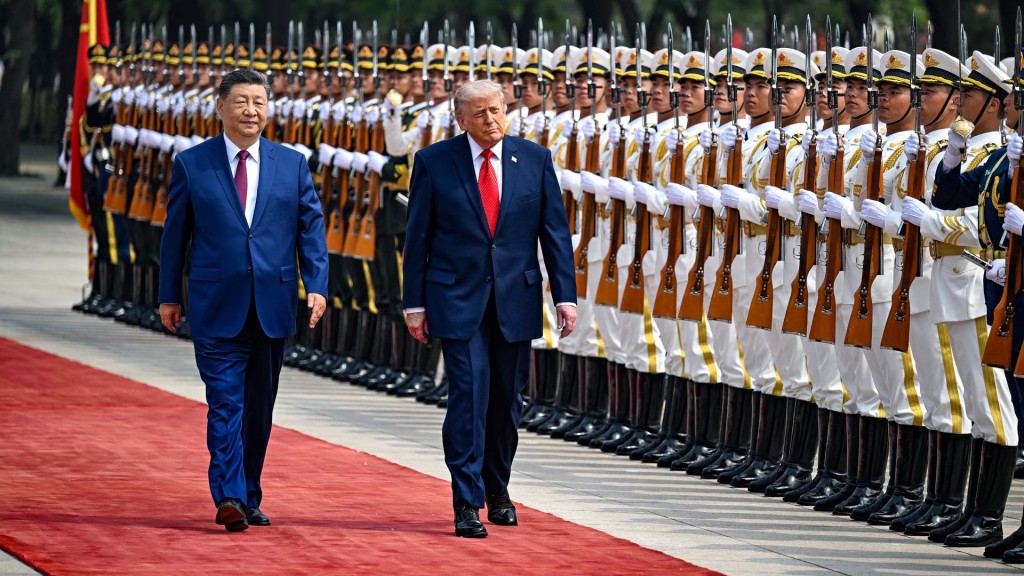
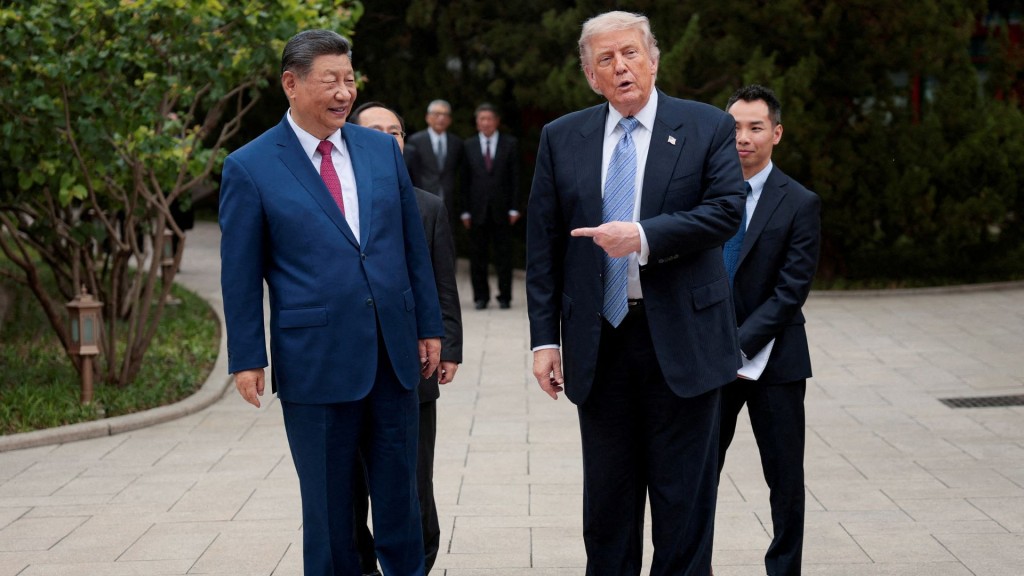
Capitalizing on this strategic fluidity and Donald Trump's renewed, transactional rhetoric regarding North Korea – signaling potential direct bilateral deals and questioning the necessity of indefinite US troop deployments – Beijing is positioning itself as the indispensable arbiter of the Korean Peninsula issue, creating formidable diplomatic leverage ahead of President Xi Jinping's upcoming summit visit to the United States.
Seoul's sovereignty drive
At the core of this evolving dynamic lies South Korea's accelerating push to reclaim Wartime Operational Control from the US-led Combined Forces Command.
Long a cornerstone of South Korea's sovereignty discourse, the expedited transition of Opcon has gained acute urgency as Seoul observes the vulnerability of relying entirely on an overstretched American security umbrella.
The prospect of sudden shifts in US foreign policy has reinforced the consensus within South Korea that the nation must achieve operational defense autonomy while diversifying its diplomatic partnerships.
Wang's outreach in Seoul directly engaged this structural shift. By framing China not as an adversarial power, but as a constructive neighbor and an irreplaceable economic anchor, Beijing offered South Korea an alternative pathway toward peninsula stabilization.
As Trump hints at bypassing traditional alliance protocols to strike unilateral bargains with Kim Jong Un, Seoul is keenly aware that a stable working relationship with Beijing is vital to prevent being sidelined in peninsula diplomacy. By engaging South Korea on economic integration, industrial supply chains, and multilateral de-escalation, China is steadily loosening the rigid bloc dynamics that have historically constrained Northeast Asia.
Xi's leverage over Trump
Beijing's assertive diplomacy on the Peninsula is directly linked to its broader grand strategy ahead of President Xi Jinping's upcoming high-stakes visit to the United States.
By re-establishing itself as the sole power possessing direct diplomatic channels with Pyongyang and constructive engagement with Seoul, Beijing is transforming the Korean Peninsula from a theater of American encirclement into a decisive bargaining chip for summit diplomacy.
At the negotiating table in Washington, China can present its diplomatic capital on the Peninsula as an essential contribution to global stability.
In exchange for utilizing its unique influence to manage North Korean missile provocations and facilitate broader regional dialogue, Beijing can demand substantial reciprocal concessions – particularly on high-technology export restrictions, bilateral tariff relief, and strict guardrails surrounding the Taiwan Strait.
Rather than reacting to American containment measures, China is proactively shaping the geopolitical chessboard. By assuming the primary stabilizing role on the Korean Peninsula, Beijing not only secures its immediate northern frontier but also establishes a position of structural strength from which to manage its great power rivalry with the United States.