Read More






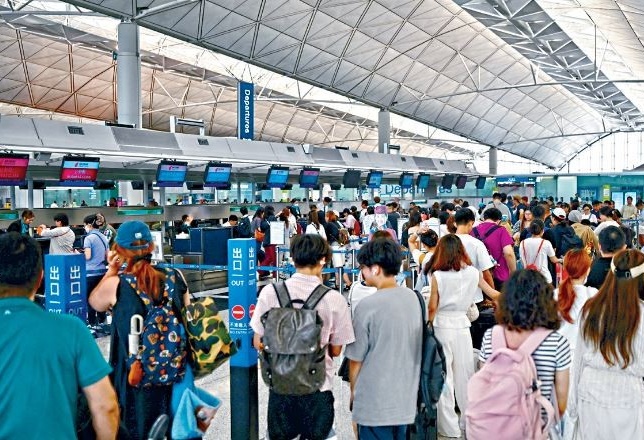
Teenager arrested at Hong Kong airport for luggage theft
02-10-2026 14:00 HKT

HK raises minimum wage for foreign domestic helpers to $5,220
02-10-2026 18:06 HKT


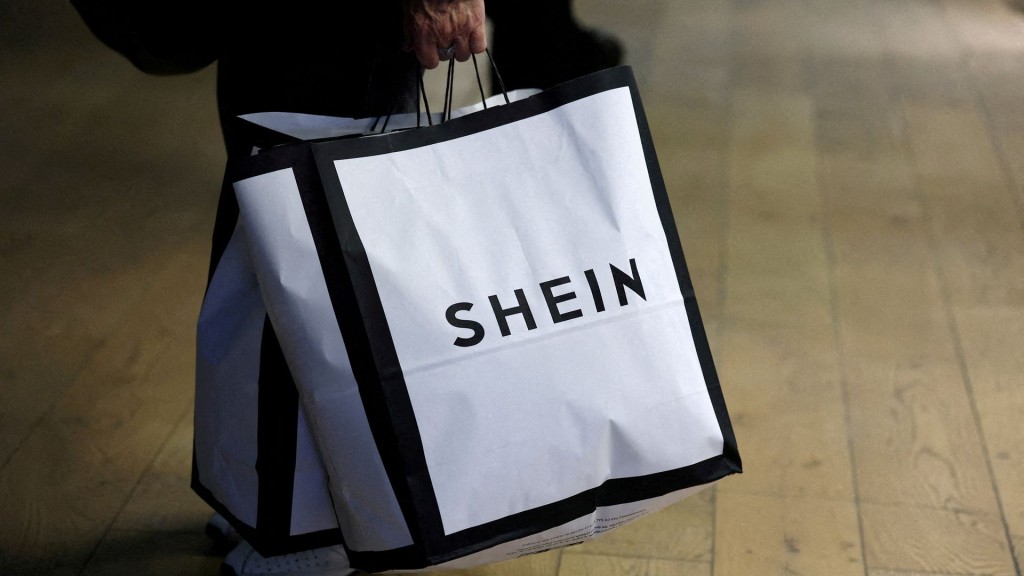
Online fast-fashion powerhouse Shein's long-awaited debut – slated for August 28 on the Hong Kong Stock Exchange – marks the culmination of an arduous four-year listing odyssey. After high-profile initial public offering attempts stalled first in New York under fierce bipartisan congressional scrutiny and then in London amid regulatory impasse, the e-commerce giant finally secured approval from the China Securities Regulatory Commission to list in Hong Kong.
Founded in Nanjing before shifting its corporate domicile to Singapore in 2022, Shein sought to establish itself as an agile multinational independent of geopolitical crosswinds. Yet, as its valuation adjusted from a peak of nearly US$100 billion (HK$780 billion) in 2022 to the US$25 billion to US$28 billion range, Shein's journey illustrates a stark reality: In an era of fractured supply chains and rising protectionism, corporate restructuring cannot fully erase operational roots, leaving Hong Kong as the indispensable bridge for Chinese enterprises going global.
Shein's listing saga highlights the closing chapter of hyper-globalization, where capital, labor, and markets once flowed across borders with minimal friction. Shifting headquarters to Singapore and building global management structures were designed to project neutrality, appease Western regulators, and tap deep transatlantic liquidity pools.
However, this strategy collided directly with intensifying geopolitical rivalry. In Washington, lawmakers challenged the company over supply chain ethics, intellectual property disputes, and the exploitation of the de minimis customs loophole that permitted packages under US$800 to enter duty-free.
Simultaneously, Beijing's offshore listing regulations enacted in 2023 reinforced the reality that overseas registration cannot bypass domestic oversight when core manufacturing, supplier networks, and data infrastructure remain rooted in the mainland.
When London plans faltered over cross-border data security and regulatory alignment, Shein was caught in an institutional squeeze: viewed with persistent skepticism by Western capitals while remaining subject to regulatory compliance in Beijing. Corporate identity in the 2020s is defined not by where an executive suite is incorporated, but by where physical supply chains, labor, and digital infrastructure reside.
For Chinese enterprises executing "Go Global" strategies, Shein's experience confirms that Hong Kong remains the premier destination to access international capital while anchoring regulatory compliance. As Western stock exchanges grow increasingly politicized and inhospitable to Chinese-linked firms, Hong Kong provides a unique convergence: a common law legal system, frictionless currency convertibility pegged to the US dollar, and institutional connectivity through the Stock Connect mechanism.
Rather than being a mere compromise or secondary fallback, listing in Hong Kong offers Chinese multinationals a secure financial base insulated from unilateral foreign sanctions while maintaining access to both global institutional funds and mainland retail liquidity. The success of Shein's listing reinforces Hong Kong's role as the preeminent capital conduit for China's industrial belts. As geopolitical rifts deepen and the world splinters into competing economic blocs, the city's financial architecture is no longer just an open gateway – it is the essential, secure harbor for Chinese global ambition.