Read More
The global halal market, a powerhouse valued at over US$2.3 trillion (HK$17.94 trillion), is no longer a niche sector but a major economic force.
ADVERTISEMENT
SCROLL TO CONTINUE WITH CONTENT
For consumers, the halal label signifies more than religious compliance; it represents a universal promise of safety, quality and ethical integrity.
Hong Kong, a world-renowned brand built on trust and excellence, is perfectly positioned to become a key player in this expanding arena. This strategic move promises not only to attract new visitors but also to open vast export channels for local businesses.
Beyond food to a global lifestyle
Many perceive halal – an Arabic term meaning “permissible” – as simply pertaining to food preparation. However, its scope is far more comprehensive. The halal economy encompasses pharmaceuticals, cosmetics, finance, logistics and travel. It is a holistic system assuring products and services meet stringent ethical and hygiene standards. This broader definition unveils immense opportunities for a versatile economy like Hong Kong’s to innovate and cater to a growing global demographic.
The Q-Mark: A trusted Hong Kong brand meets halal certification
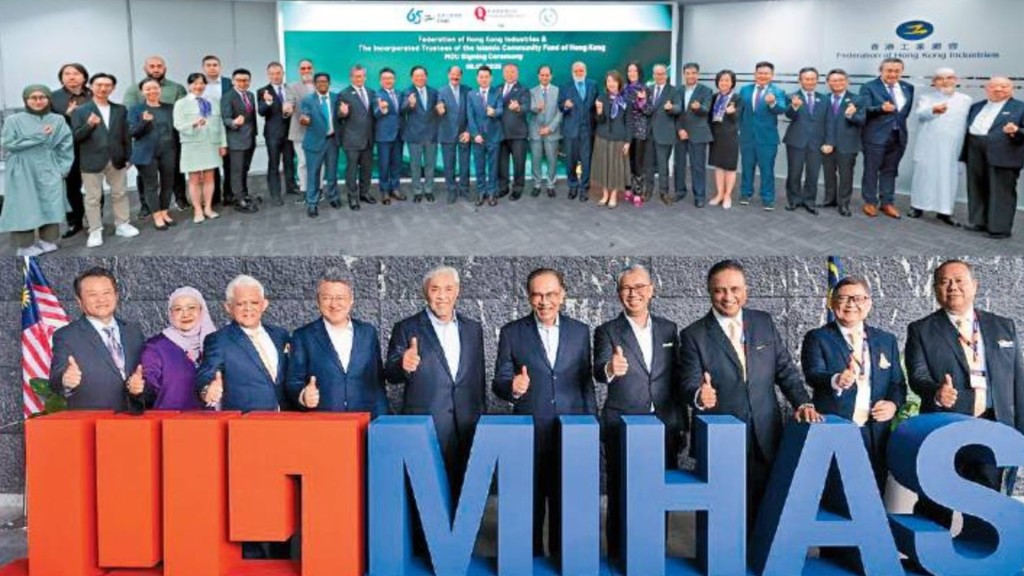
A masterstroke in this initiative is the Hong Kong Federation of Industries’ decision to award its esteemed Q-mark to certified halal products. For decades, the Q mark has been a symbol of quality, reassuring global customers that a product is “Made in Hong Kong” to the highest standards. By integrating halal certification into this trusted framework, Hong Kong adds a powerful layer of credibility. This fusion gives Muslim consumers unparalleled confidence and allows Hong Kong-made halal products to travel with a competitive dual advantage.
Inclusivity as a competitive advantage
While a latecomer, Hong Kong’s inherent strengths make it an ideal hub for the halal industry. Its status as a melting pot of Eastern and Western cultures is its greatest asset. The city’s culinary and retail landscape can creatively adapt diverse products – from Chinese delicacies to Western cosmetics – into halal-compliant versions without losing their authentic essence. This inclusivity, combined with its robust legal and financial infrastructure, provides a fertile ground for halal innovation and trade.
Building bridges: The future is collaborative
To accelerate its entry, Hong Kong should look toward strategic collaboration. The annual Malaysia International Halal Showcase, or MIHAS, ended Saturday, is a premier global event, and partnering to host a sister event could instantly elevate the city’s profile, positioning it as a serious contender and a vital bridge connecting mainland China, Asean markets and the wider world. Meanwhile, MIHAS will host a Shanghai edition in November.
A strategic economic imperative
Embracing the halal market is a smart economic imperative for Hong Kong. It merges the city’s legendary reputation for quality with the values of the modern, ethical consumer. By leveraging its inclusive spirit and logistical prowess, Hong Kong is poised to not just participate but to lead – fostering new pathways for cultural exchange and sustainable economic growth.