Read More







HK movie producer Raymond Wong Pak-ming convicted of insider dealing
22-05-2026 17:10 HKT

Swire Properties wins compulsory auction for $2.02b Quarry Bay property
22-05-2026 20:36 HKT


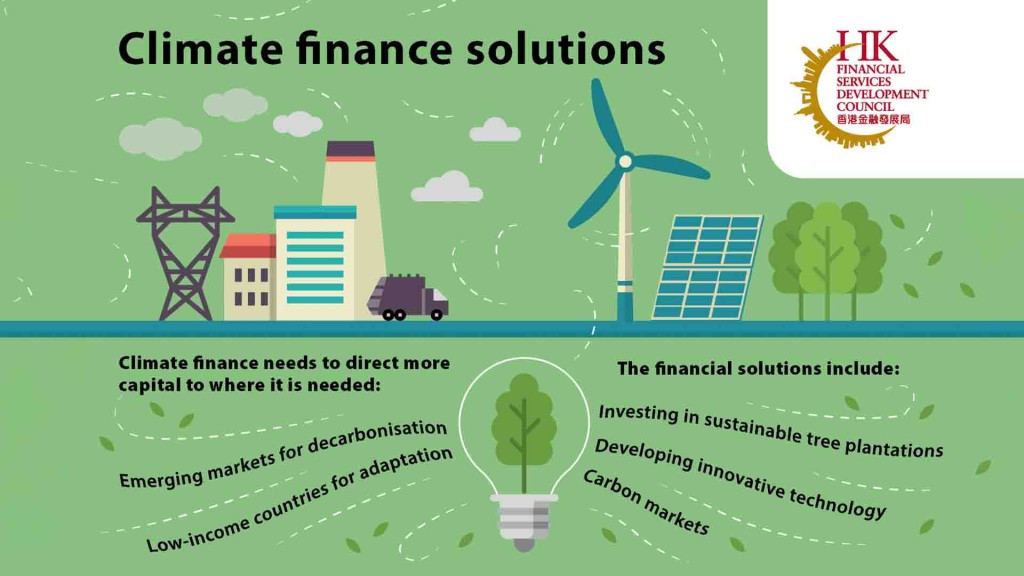
As the world strives to meet the 2050 net-zero emissions target, Asia finds itself at a critical juncture, with many nations struggling to keep pace with their sustainability commitments. This delay presents a significant opportunity for a capable leader to emerge and catalyze progress. With its unique blend of financial acumen, strategic positioning, and regulatory foresight, Hong Kong is poised to become the undisputed hub for carbon credit trading in Asia.
The urgency of this leadership role is underscored by the staggering projected growth of the global carbon credit market. Estimated at nearly US$480 billion (HK$3.74 trillion) in 2023, the market is on a trajectory to approach US$4.7 trillion by 2030. This growth reflects a fundamental economic shift: corporations must either decarbonize their operations or purchase carbon credits to offset their emissions.
This mechanism not only facilitates the path to carbon neutrality but also creates a powerful financial incentive for companies to innovate and sell their excess credits. However, the system’s potential is hampered by the need for universal standards to measure carbon credit validity and the complexities of cross-border trading, including foreign exchange risk.
The solution to these challenges may lie in the tokenization of real-world assets. By leveraging blockchain technology to create digitized carbon credits, the market can benefit from enhanced transparency, streamlined verification, and a common digital currency for settlement. This innovation would mitigate forex risks and unlock liquidity, creating a more efficient and accessible global marketplace. Hong Kong’s recent legislative move to regulate stablecoins, effective from August 1, provides the essential regulatory foundation to facilitate this very development, positioning the city at the forefront of financial technology.
Hong Kong’s advantages are multifaceted. The city’s formidable reputation for rule of law and institutional credibility is a powerful asset, fostering trust among both mainland Chinese and international investors essential for a nascent market. Furthermore, Hong Kong boasts a deeply vibrant and liquid financial market, supported by a concentration of world-class talent in finance, law, and technology – all crucial for building a complex new trading ecosystem.
Strategically, Hong Kong’s position is unrivaled. It serves as the natural gateway to mainland China, the world’s largest carbon emitter and a colossal source of demand for carbon credits. Simultaneously, China’s rapid advancements in green technology and renewable energy mean it is also amassing a surplus of credits to sell, creating a dynamic two-way flow of assets. This is compounded by demand from other Asian nations that remain reliant on coal and will need to purchase credits to meet their environmental goals. Hong Kong, with its deep financial pools and connectivity, is the ideal venue to intermediate this regional demand and supply.
By embracing the tokenization of carbon credits and harnessing its established strengths, Hong Kong can do more than just create a new financial market; it can cement its status as a innovative and sustainable financial hub for the 21st century. The city is uniquely equipped to provide the leadership Asia desperately needs, turning the challenge of climate change into a historic opportunity for economic growth and environmental stewardship.