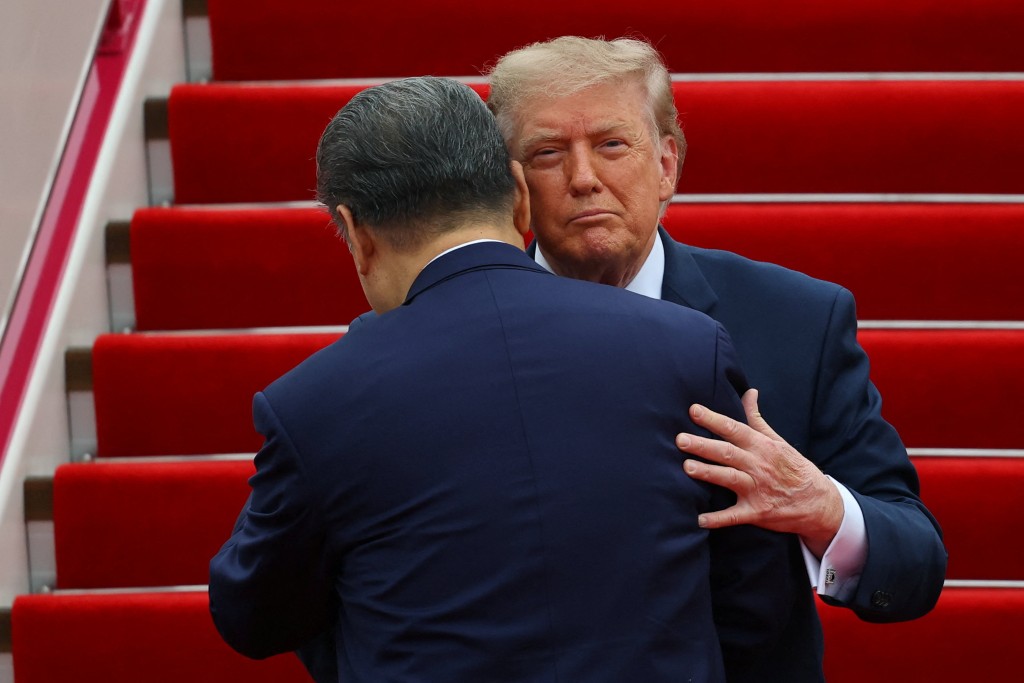
China’s top diplomat hailed the adoption of a joint leaders' framework as a defining milestone for regional trade as the Asia-Pacific Economic Cooperation (APEC) summit wrapped up in Shenzhen on Thursday night.
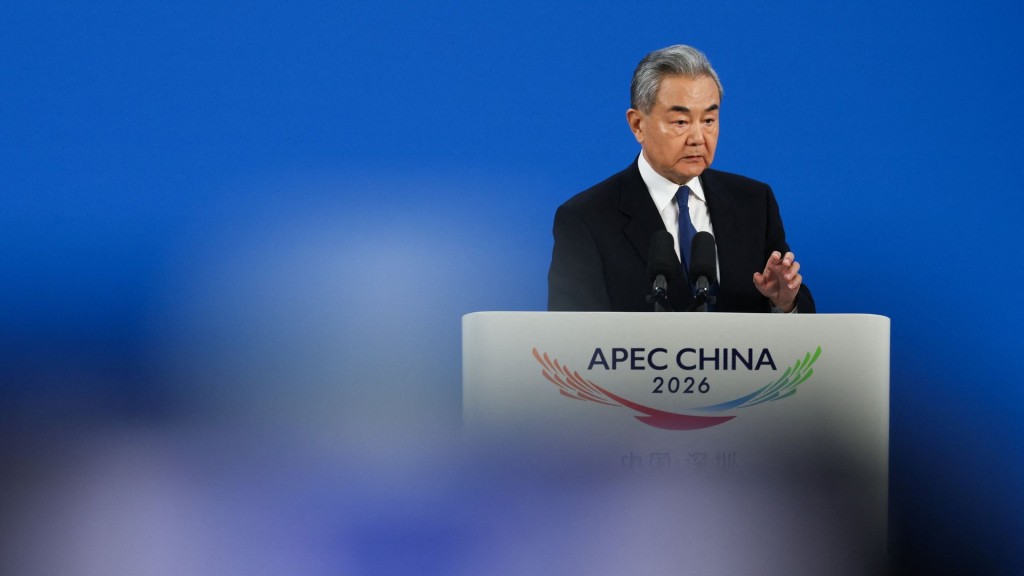
Foreign Minister Wang Yi told a late-night press briefing that the newly endorsed "2026 APEC Leaders' Shenzhen Outlook" represents the most consequential achievement in the bloc's history, charting a course for open regional cooperation amid shifting global dynamics.
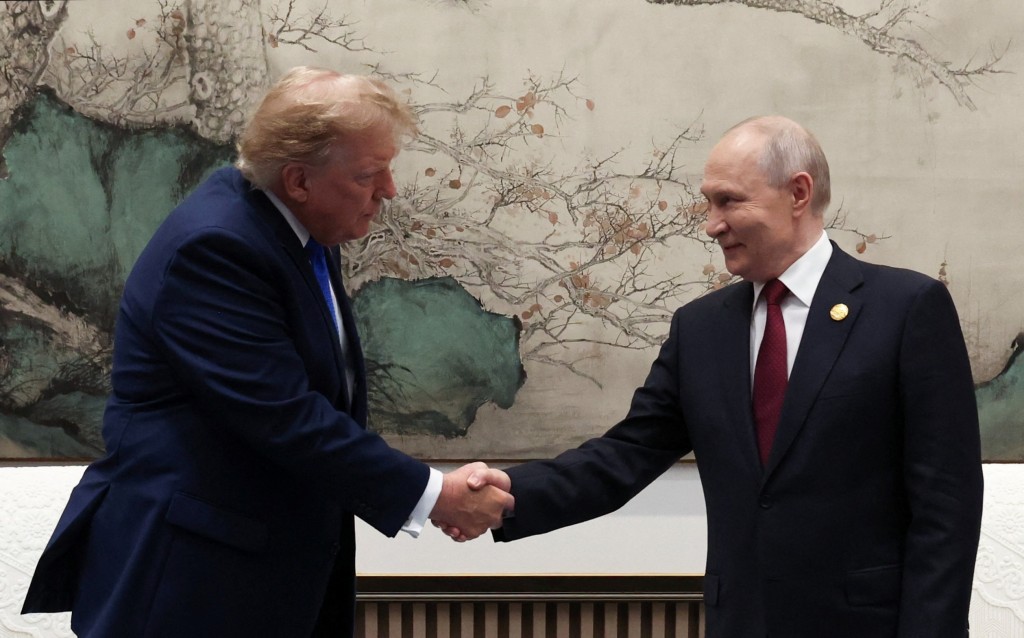
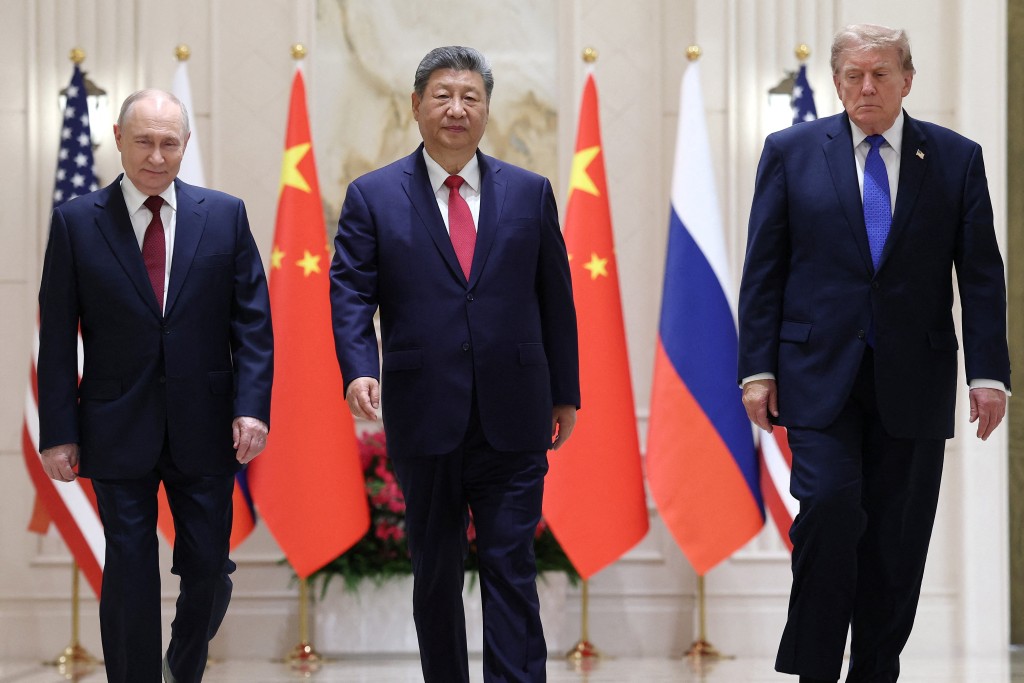
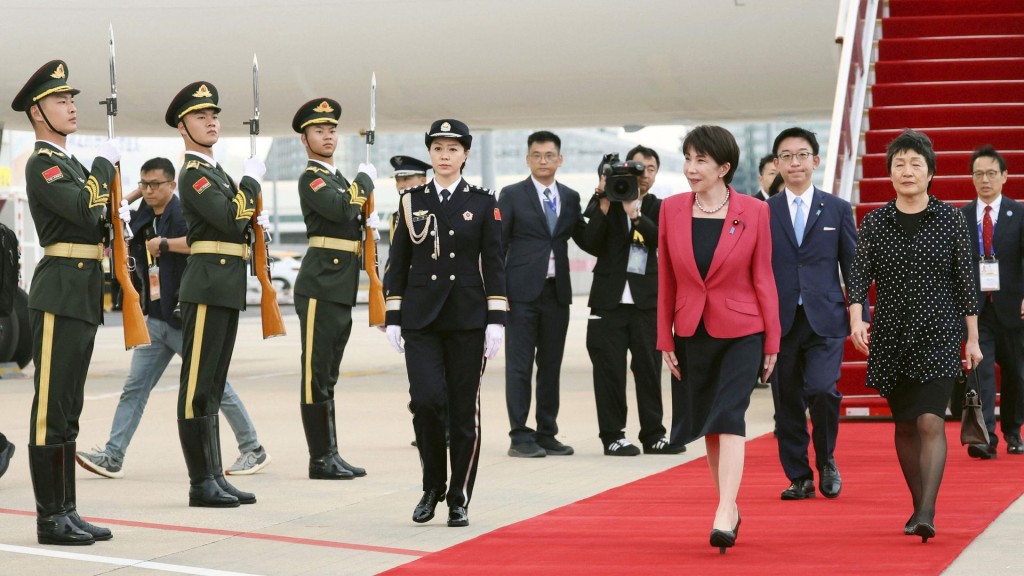
Originally slated for 7:30pm, the briefing was pushed back twice before getting underway around 10:00pm in front of roughly 200 weary Chinese and international reporters. Wang apologized for the delay, noting he had just returned from the airport after seeing off departing heads of state—including US President Donald Trump, who departed following a high-profile trilateral meeting with President Xi Jinping and Russian President Vladimir Putin.
Advancing free trade and regional stability
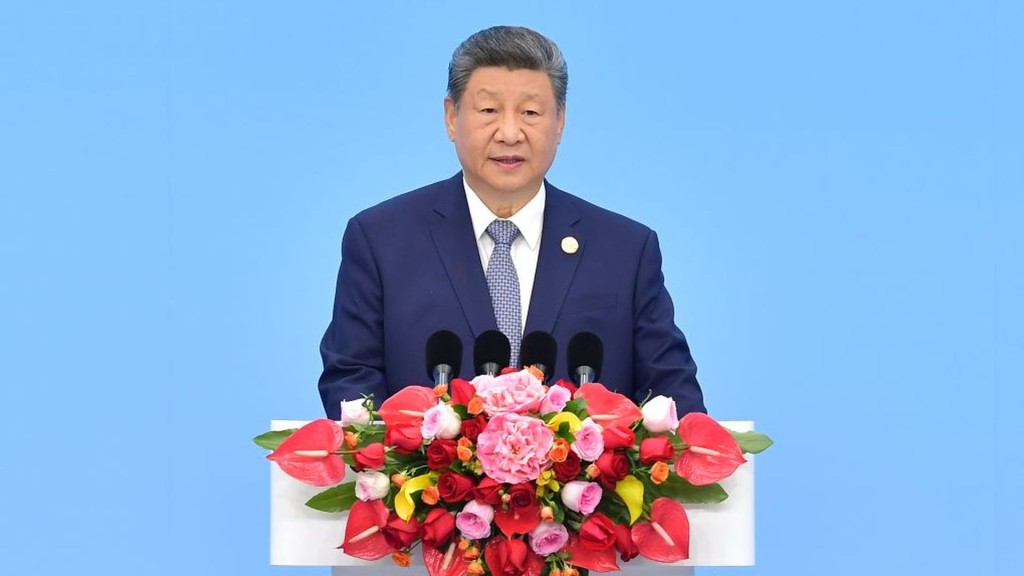
Outlining six key takeaways from the two-day gathering, Wang said the summit laid down the institutional "four pillars and eight beams" needed to advance the long-mooted Free Trade Area of the Asia-Pacific. Echoing remarks delivered earlier by President Xi during the leaders' closed-door session, Wang stressed that regional economies must safeguard stability, resist fragmentation, and foster an inclusive, innovation-led community.
Digitalization, AI, and clean energy priorities
Alongside the overarching Shenzhen Outlook, member economies adopted a new framework on trade digitalization and issued a joint ministerial statement to streamline regional supply chains through smart customs arrangements. The summit also prioritized artificial intelligence governance, digital infrastructure, and clean energy cooperation, while endorsing practical measures on food and energy security tailored to individual economies' development levels.
Hosting responsibilities were formally handed over to Vietnam ahead of the 2027 APEC summit.