Read More



Man arrested in Tin Shui Wai for flying drone in restricted zone during APEC
18-11-2026 03:40 HKT
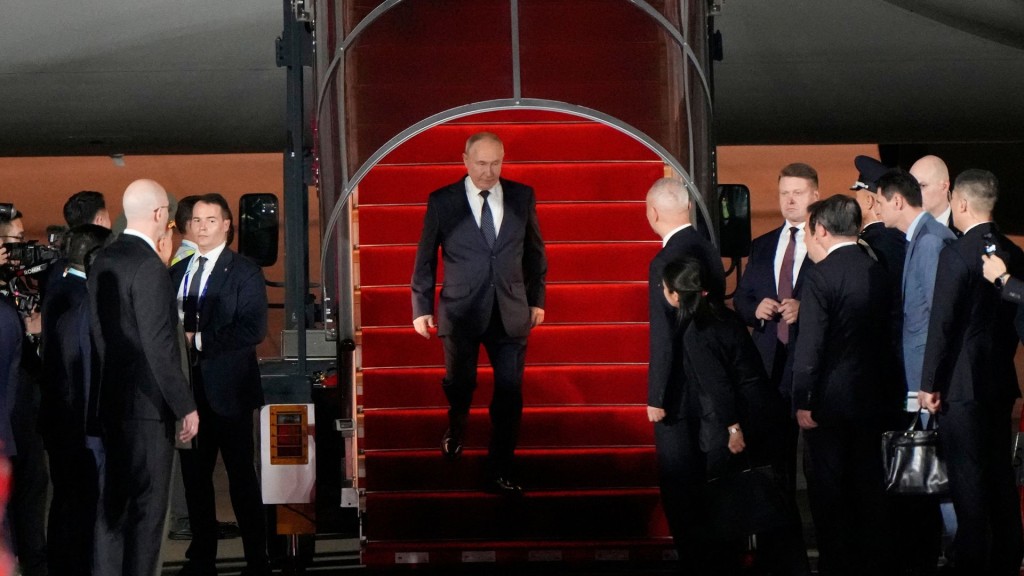
Russia's Putin arrives in Shenzhen for APEC summit, Xinhua reports
18-11-2026 03:29 HKT




A mysterious black briefcase carried by a Russian naval officer has drawn unexpected attention in Shenzhen on the eve of today's historic trilateral summit between the leaders of China, the United States and Russia on the sidelines of the APEC gathering.
As Chinese President Xi Jinping, US President Donald Trump and Russian President Vladimir Putin converge on the city, the "nuclear buttons" accompanying the US and Russian leaders have also arrived in China, according to reports.
While Trump's emergency satchel—widely known as the "nuclear football"—has yet to be seen publicly in Shenzhen, Putin's nuclear briefcase, codenamed "Cheget," appeared on camera yesterday.
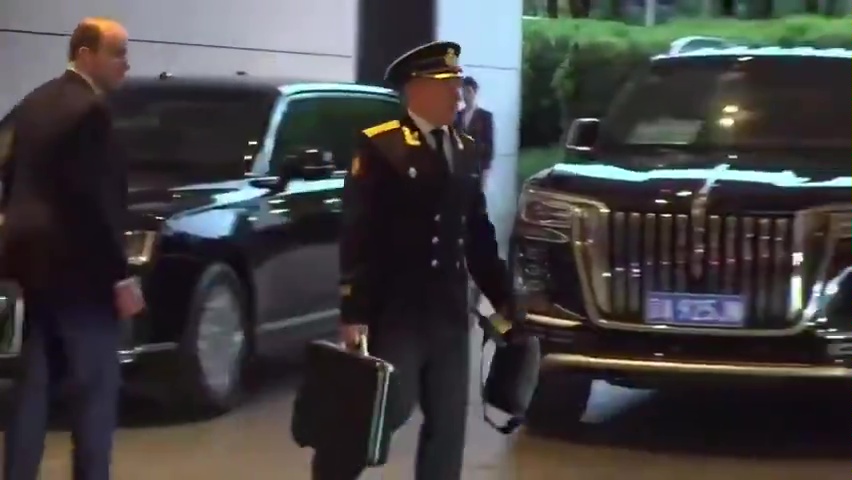
Footage released by Russian state television reporter Popov showed a uniformed Russian naval officer standing outside the Shenzhen hotel hosting Putin and his delegation, carrying the distinctive black briefcase.
Asked directly by the reporter whether he was holding the nuclear briefcase, the officer made no attempt to dodge the question, smiling as he replied: "Yes, that's it."
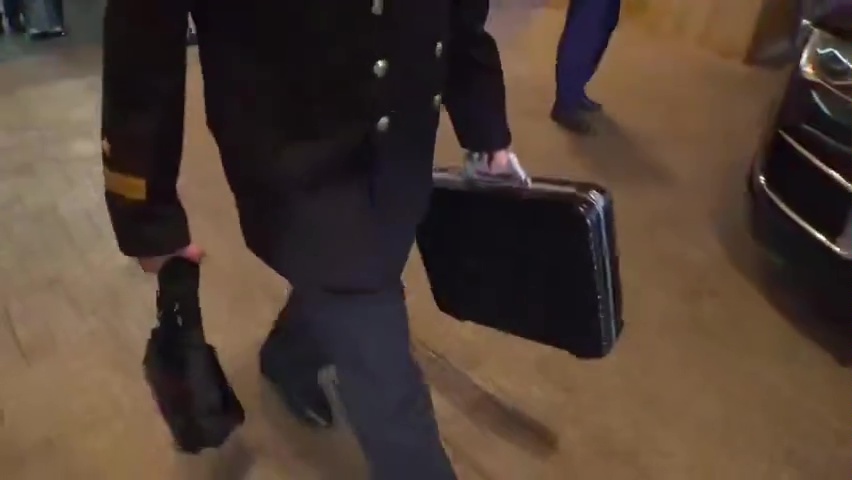
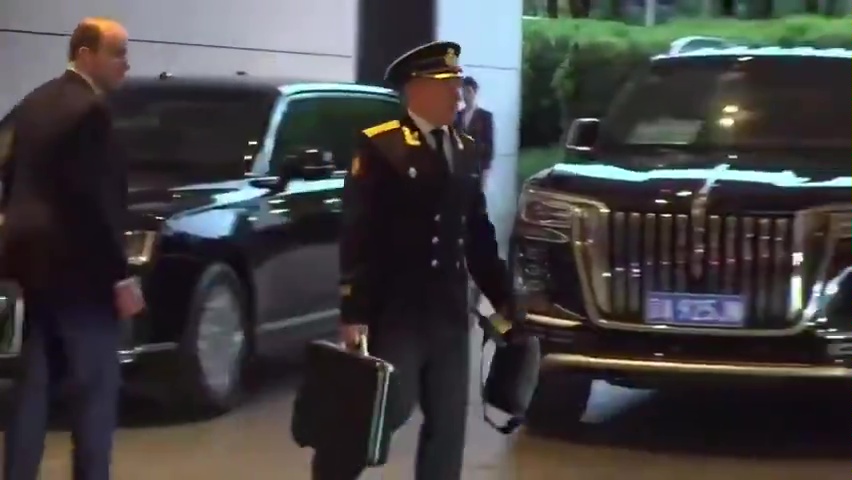
Although it is standard security protocol for nuclear briefcases to accompany US and Russian leaders abroad—and officers were similarly filmed carrying the black case during Putin's October 2023 visit to Beijing—having an officer openly confirm its identity on camera is extremely rare. The candid response is seen as reflecting strong confidence in security arrangements for the summit.
With the Kremlin having announced that today's hour-long trilateral talks will focus on nuclear disarmament and the Russia-Ukraine war, observers are questioning whether Russian media's proactive release of the footage was meant to flex strategic muscle ahead of the meeting.
Named after Mount Cheget in the Caucasus Mountains, the Soviet-era briefcase serves as a portable terminal for Russia's automated strategic nuclear command system.
Rather than launching nuclear missiles at the push of a single button, the device allows Putin to maintain encrypted communications with top military brass—including the defense minister and the chief of the general staff—to transmit nuclear launch orders while overseas if necessary.