Read More
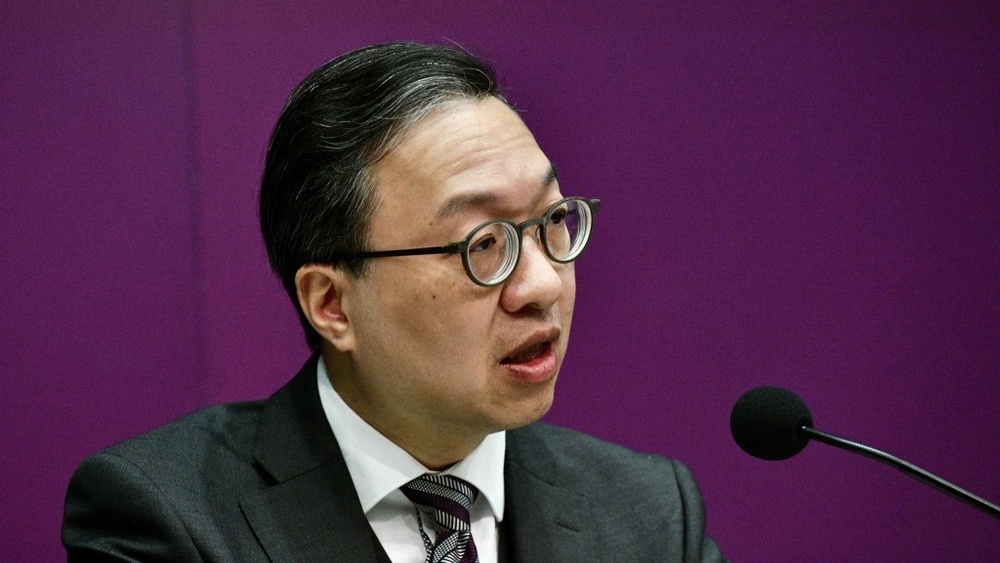
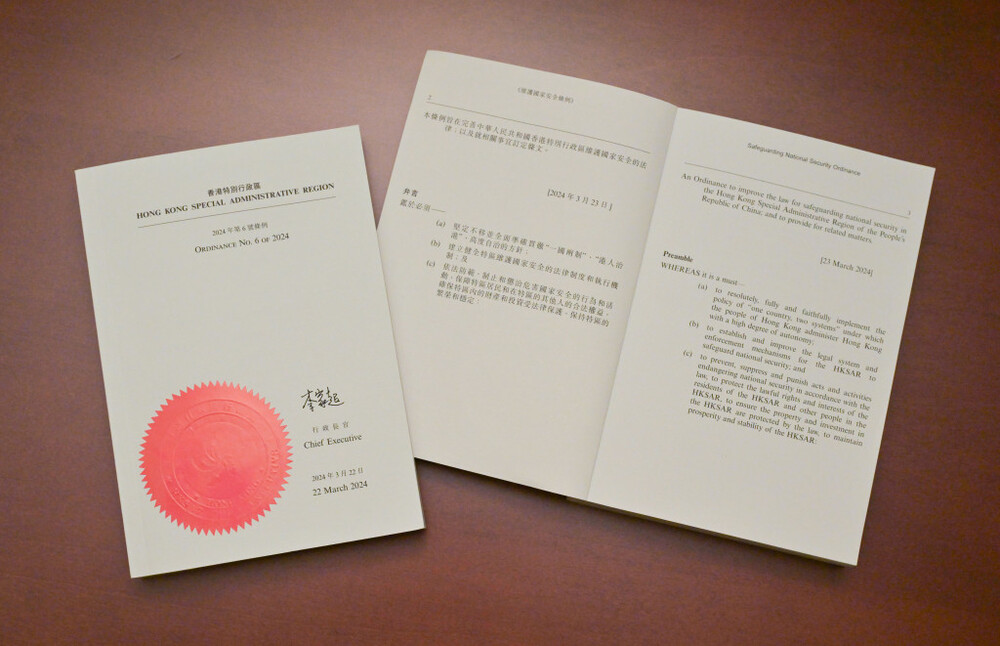
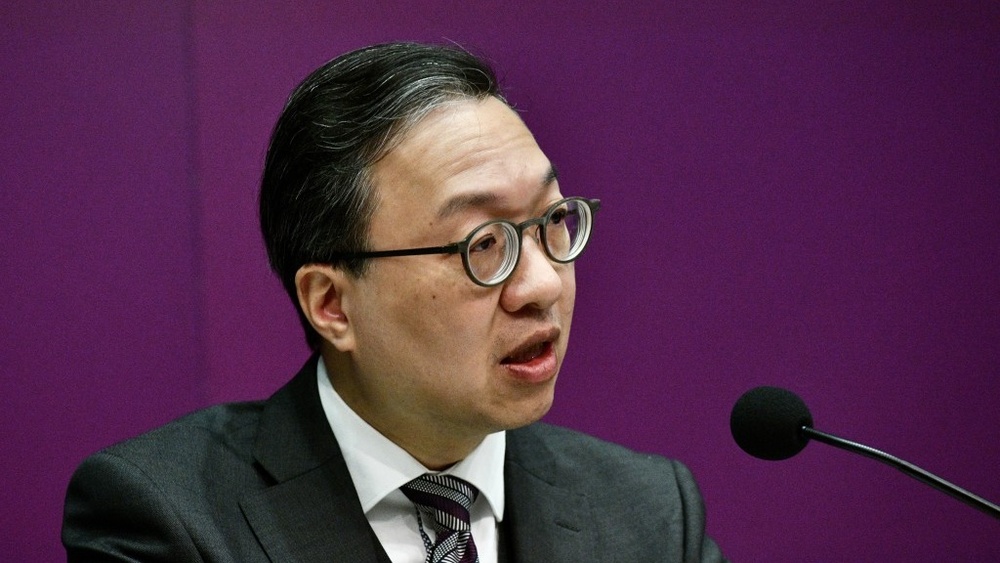
Hong Kong’s new domestic security law has yet to be invoked to make arrests in the first month, with the new law to be used in “really compelling circumstances” only, said Secretary for Justice Paul Lam Ting-kwok.
ADVERTISEMENT
SCROLL TO CONTINUE WITH CONTENT
The justice chief also refuted claims that authorities delayed the arrests to “make people feel more comfortable” with the law.
Tuesday marked the one-month anniversary of the enactment of Hong Kong’s homegrown national security law. Critics described it as a calm month compared to the initial imposition of the Beijing-imposed national security law, which led to 15 individuals being detained in the first month.
Speaking in an interview published Monday, Lam said it was inappropriate to compare the first months of the imposition of the two pieces of legislation.
He said that since the enactment of the 2020 national security law, peace and order have been restored within the city, while Article 23 itself also acted as a deterrent, minimizing the need to invoke domestic law.
Meanwhile, Lam rejected claims that authorities intended to limit its use initially to ally unease about the new law’s reach and scope.
Apart from comments on the domestic national security law, Lam also revealed his plan to visit the Middle East next month, adding that his office currently has no intention of visiting Western countries to promote Hong Kong.
Despite not being sanctioned by the United States, the justice chief said he could be “unwelcome” in the country and that his safety and that of his colleagues should be considered.
In the interview, he cited “bad experiences” encountered by the Secretary for Financial Services and the Treasury, Christopher Hui Ching-yu, and the Secretary for Education, Christine Choi Yuk-lin, when they visited Chicago and Britain, respectively, this year.
A group of protesters rallied against Hui outside an event venue, and anti-China activists also objected to Choi’s visit.
“I want to tell the true Hong Kong story, which is a good Hong Kong story. It’s not political propaganda.” Lam emphasized.