Read More



Night Recap - September 27, 2026
49 mins ago






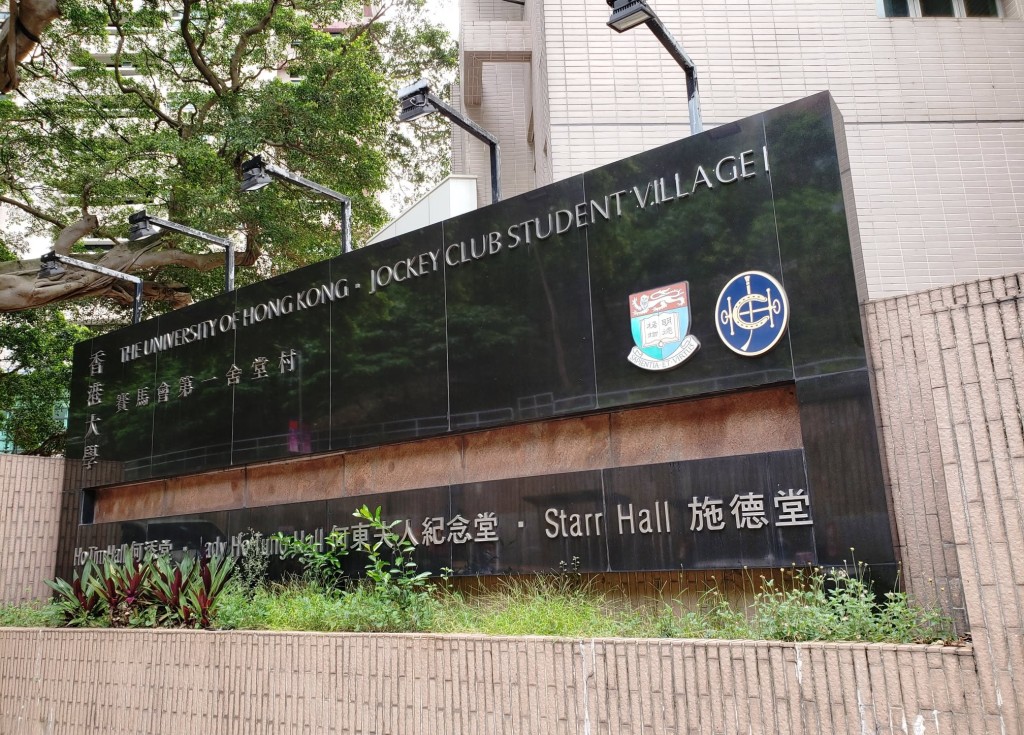
HKU hall faces backlash over KFC halal meal at HK$500 high table dinner
26-09-2026 11:28 HKT


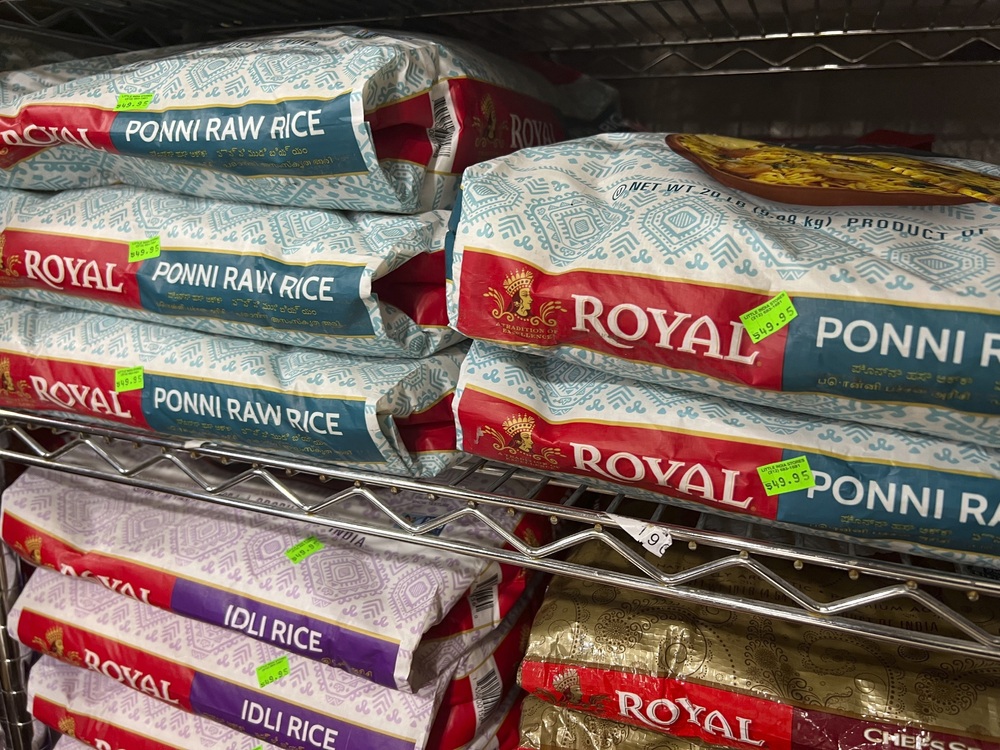
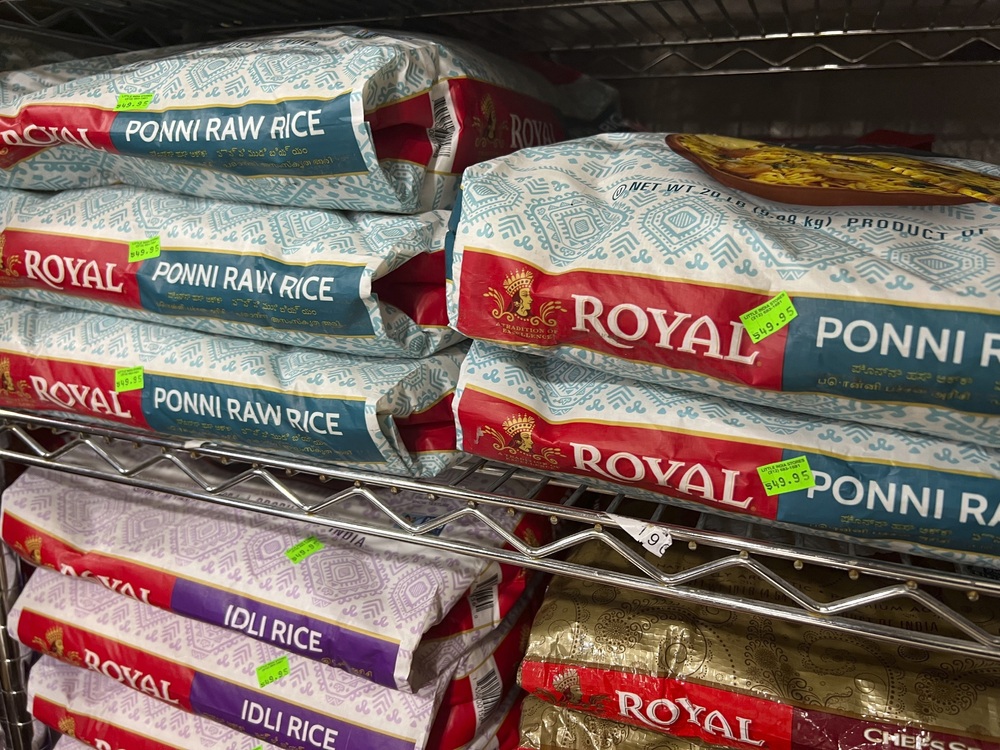
A catering veteran in Hong Kong expects the prices of rice originating from Thailand and Vietnam will increase about 30 percent as India recently announced a ban on the export of non-basmati white rice in an attempt to curb domestic price spikes.
Reports earlier said New Delhi imposed the ban as domestic retail prices climbed 3 percent in just one month after late and heavy monsoon rains caused significant damage to crops.
India accounts for more than 40 percent of the world's rice exports. Since the ban was imposed on July 20, the prices per ton for major rice categories have increased by about US$80 (~HK$624).
Federation of Restaurants and Related Trades president Simon Wong Ka-wo, also a registered rice merchant in Hong Kong, said Thai and Vietnamese exporters are now renegotiating contracts for about 500,000 tons of rice.
Wong expects the prices to increase about 30 percent as supply drops. He believes the price spikes will burden Hongkongers to a certain extent and called on the SAR government to explore more markets, including the mainland.
Wong said, for example, only a number of designated mainland distributors can provide rice to Hong Kong as there are quotas on the export of rice.
Currently, rice originated from mainland accounts for less than 1 percent of all the rice in Hong Kong. Wong believes easing relevant restrictions can help alleviate the price hikes.
He also noted that there are farms in Guangdong and Fujian that grow rice. Although Chinese rice is pricier than Vietnamese, it is about 10 to 15 percent cheaper than Thai.
Wong stressed the Trade and Industry Department has stringent regulations on the storage of rice and Hong Kong’s existing inventory can feed all citizens for two months. He said citizens need not panic and stockpile.
According to the April-June figures released by the department, the prices of rice imported from Thailand and Vietnam are HK$6.95 and HK$4.87 per kilogram respectively.
The numbers are similar to that recorded in the same period last year and the annual average prices.