Read More
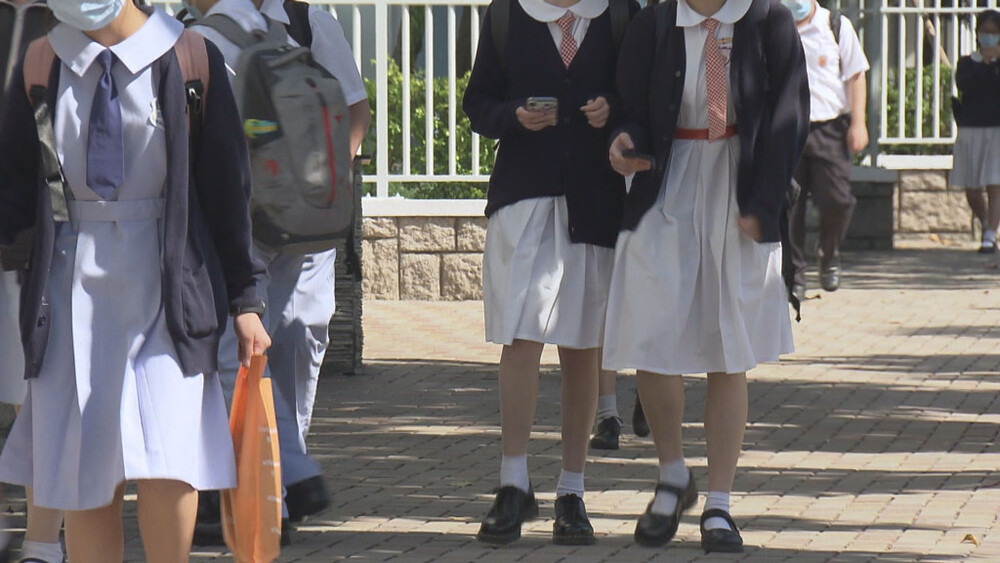
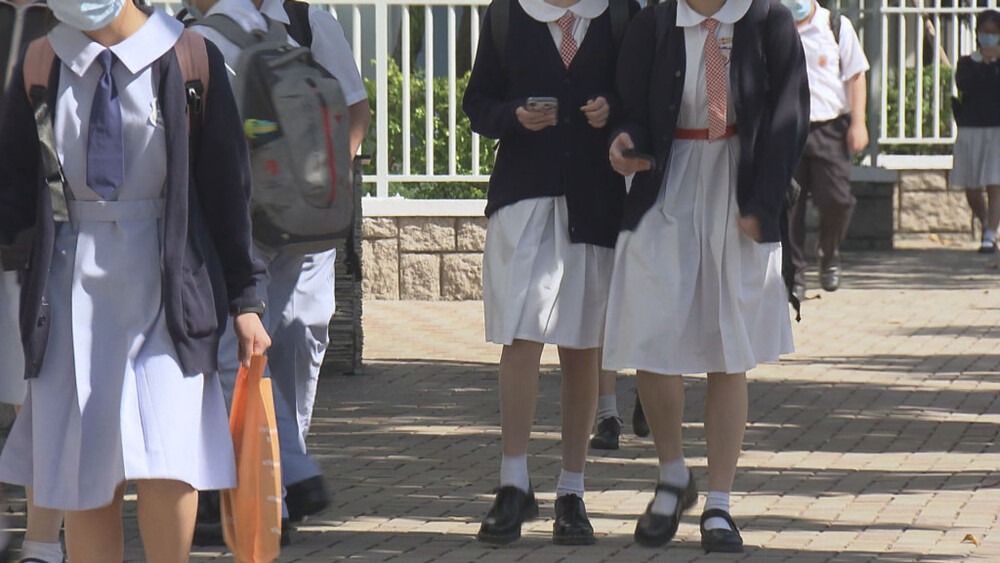
Hong Kong secondary and primary schools can only have full-day classes from November 1 if 90 percent of students get their third shot of a Covid vaccine, but teachers have argued it would be difficult to achieve.
ADVERTISEMENT
SCROLL TO CONTINUE WITH CONTENT
The rule was announced by education authorities on Tuesday (August 30), with other regulations, including that students could participate in dining on the campus and other outdoor activities.
“There is still 20 percent of students in my school who haven’t received the third jab, and it would be a rush to increase the vaccination rate by November,” said Wong Ching-yung, Principal of Scientia Secondary School.
“Only around half of the 242 schools which could start the full-day class mode may meet the requirements,” he claimed, arguing the grace period for students to get vaccinated should extend to December.
Chan Di-on, Principal of Ying Wa college, showed the same concern about whether the full-class mode can be established.
“Only 11 percent of children aged between three and 11 had received the third shot in Hong Kong,” he said, “while the rate for those aged 12 to 19 was around 50 percent.”
The stepped-up measures were raised with a scheme to encourage the vaccination rate in schools by the Education Bureau, including the distribution of free masks, book vouchers, and other complementary items.
“We understand the intention of the Bureau,” Wong said, “while we don’t think the incentives will contribute a lot to promoting the vaccination rate.”
“The Bureau may think banning students from dining on the campus can reduce the risk for students getting infected with the virus, on the other hand,” he added.
“However, students will just go outside in public premises to eat, which cannot help disease prevention,” noted Wong.
Another requirement was issued by the Education Bureau to ask students to take a daily rapid antigen Covid test starting from Tuesday - two days before the academic year begins on Thursday (August 31), as 140 schools reported 319 confirmed cases.
Experts also urged authorities to reduce the required intervals between two vaccine shots.
“The current interval between receiving the second and the third shots of Pfizer was shortened from six months to five months,” said Lau Yu-lung, chair professor of pediatrics at the University of Hong Kong, in a radio program on Wednesday.
“The governments will strengthen arranging outreach vaccination services on campus, as only half of the teenagers have received the third shot,” he said.