Read More






Night Recap - September 28, 2026
14 hours ago







HK faces week of extreme heat with temperatures soaring to 34 degrees
28-09-2026 03:01 HKT
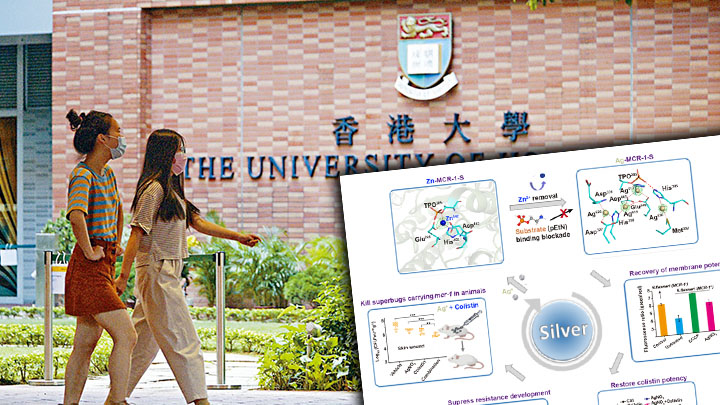
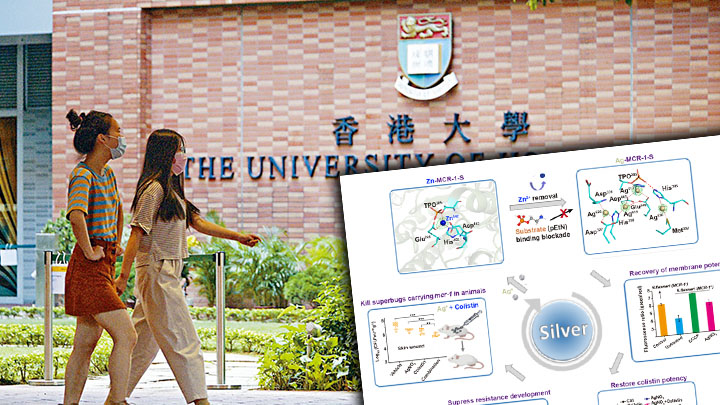
University of Hong Kong’s chemists and microbiologists have discovered a 2000-years-old ancient (antimicrobial) drug, silver nitrate, can be used as an antimicrobial drug to re-sensitise colistin against multidrug resistant superbugs.
Researchers said silver nitrate has a long antimicrobial history for more than 2,000 years, and is used to be applied in external bacterial infections, such as skin infection.
In 2015, scientists identified a mobilized colistin resistance (MCR) gene which has severely compromised the efficacy of colistin in regular treatment of lethal bacterial infections. Colistin has long been considered the last line of antimicrobial against extensively drug resistant gram-negative bacteria infections.
Through the research, the team found that silver nitrate can restore the efficacy of colistin against MCR positive bacteria and can effectively delay the development of higher-level resistance and reduce mutation frequency.
“Considering the well-recorded safety history of silver nitrate as ancient antimicrobial drugs applied in external infection, silver nitrate can work with auranofin to reinforce each other in treating the infections caused by mcr-positive multidrug resistant superbugs,” said Sun Hongzhe, chair professor from HKU’s Department of Chemistry and the leading researcher of the study.
Sun described the finding as a new hope to overcome the antibiotics-resistance crisis in the post-antibiotic era.
Antibiotics, a type of antimicrobial substance, are used to treat bacterial infections. Although they can kill pathogenic bacteria, they can also kill normal bacteria and increase the risk of drug-resistant bacteria growth, the reachers said.
Some of these resistant bacteria are able to resist multiple classes of commonly used antibiotics, a property known as antimicrobial resistance that can lead to hard-to-treat infections, a major threat to global public health today, they said.
In 2015, the World Health Organization (WHO) published the Global Action Plan on Antimicrobial Resistance, stressing the importance of developing and implementing policies to address bacterial resistance within the "One Health" concept.
The High Level Steering Committee on Antimicrobial Resistance set up by the local government also developed a five-year plan in 2017, setting out a series of actions and activities planned by the government to control the growing problem of antimicrobial resistance.