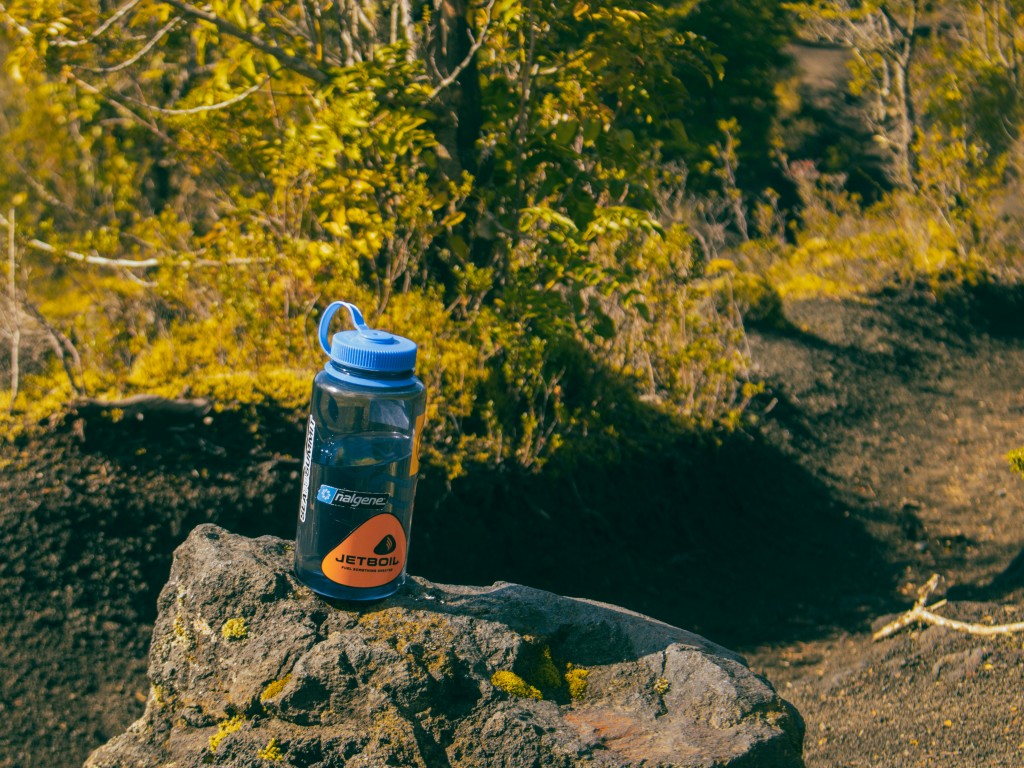
According to a report by the New York Post, general practitioner Jason Singh reminds the public on social media that many people do not wash their water bottles often after drinking, or before refilling, they merely rinse briefly with water. This lazy cleaning method causes microorganisms in the water bottle to continuously interact with streptococci and other Gram-positive microorganisms from the mouth inside the bottle.
Study Reveals Bacterial Counts 40,000 Times Higher Than a Toilet
Studies have found that most microorganisms will form a biofilm on the inner surface of a water bottle or thermos within 48 hours. Bacteria create a protective layer within this biofilm and multiply wildly, causing bacteria to spread throughout the water. This research result was published as early as 2005 in the medical journal Curr Protoc Microbiol.
A study published in 2024 in Archives of Microbiology points out that this type of biofilm contains harmful bacteria, and researchers attribute as much as 65% to 80% of human infections to biofilms. Research published in 2023 by the American water quality testing company "Water Filter Guru" further confirmed that reusable water bottles contain 40,000 times more bacteria than household toilet seats.
Doctor Teaches 4 Major Methods for Cleaning Water Bottles
Singh suggests cleaning water bottles according to the following 4 simple methods to thoroughly eliminate bacteria:
4 Major Methods for Cleaning Water Bottles:
-
Clean once every 2 days
-
Wash with dishwashing liquid and hot water
-
Thoroughly clean with a water bottle brush
-
After cleaning, leave to dry completely
5 Major Suggestions for Cleaning Thermos Cups—Use Baking Soda/Machine Wash?
Besides the above methods, how else can you clean a thermos cup or thermos flask? The Hong Kong Consumer Council has the following suggestions to avoid accidentally swallowing bacteria and toxins:
1. Beware of plastic mold: After each use of a thermos cup and thermos flask, especially when not filled with plain water, thoroughly clean and dry them to avoid stains or pigment residue, and to prevent plastic or rubber materials from becoming moldy and discolored due to lack of cleaning. Because the gaps in the lid are usually harder to clean, be sure to clean carefully. You can detach the lid and sealing gasket for cleaning, and after drying, remember to properly reinstall the sealing gasket to prevent leakage.
2. Do not machine wash: Unless the product states otherwise, thermos cups or thermos flasks should not be placed in a dishwasher to avoid damage.
3. Do not use chlorine-containing detergents: Because chlorides may damage the stainless steel surface, bleach or chlorine-containing detergents should not be used to clean thermos cups and thermos flasks.
4. Make good use of all-purpose baking soda: Edible baking soda is a cleaning helper in every household. If a thermos cup or thermos flask emits an odor, you can also use baking soda to clean it. Simply fill the thermos cup or thermos flask with hot water, add 1 small teaspoon of baking soda, soak for half an hour to 1 hour, then rinse clean.
5. Use soft cleaning tools: Sponges, soft cloths, soft brushes, and other cleaning tools are all excellent tools. Try not to use scouring pads, steel wool, or hard brushes, to prevent scratching the inner lining.