A study published in Neurology points out that the team first defined 1 serving of ultra-processed food as equal to 1 can of soda, 1 ounce (about 28.3 g) of potato chips, 1 slice of packaged cake, 1 hot dog, or 1 tablespoon of ketchup. At the same time, the team tracked and investigated 42,853 participants for as long as 26 years, including dietary content (foods and eating frequency) and early Parkinson's symptoms, such as sleep behavior disorder, constipation, depression, body pain, impaired color vision, excessive daytime sleepiness, and decreased sense of smell.
Ultra-processed Foods: Emulsifiers/Sweeteners
The team believes that additives promote oxidative stress, that is, an imbalance between antioxidants and free radicals; in Parkinson's disease, free radicals damage neurons that produce dopamine.
The team found that the "high-intake group" eating 11 or more servings of ultra-processed foods per day had 2.5 times the risk of developing early Parkinson's signs compared with the "low-intake group" (3 servings or fewer). The "low-intake group" also had increased risk of early Parkinson's signs: sauces and condiments increased risk by 17%; packaged candy increased risk by 60%. The study indicates that eating too many ultra-processed foods, such as sugary soda and packaged snacks, may accelerate the early symptoms of Parkinson's disease. The research team says ultra-processed foods include the following 8 categories of food:
What Are Ultra-processed Foods?
Ultra-processed foods can be divided into 4 major categories:
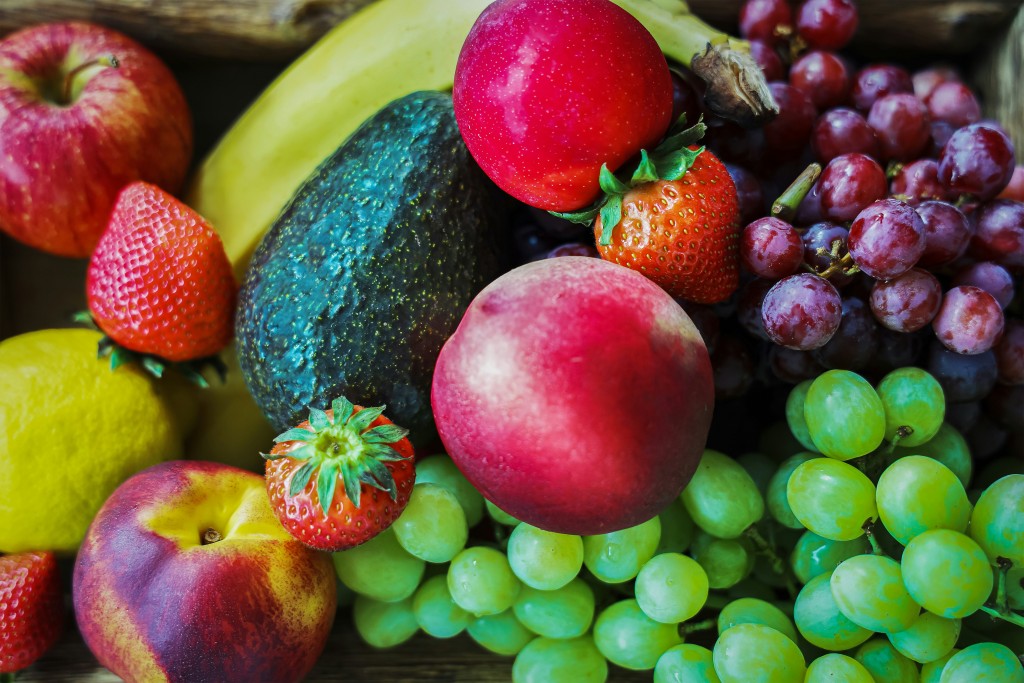
Unprocessed or minimally processed foods: These foods are in their natural state or have undergone minimal processing, such as drying, refrigeration, and vacuum packaging, for example fresh fruit, refrigerated vegetables, and milk powder.
Processed culinary ingredients: These foods are ingredients used when cooking at home or in restaurant kitchens, produced through processes such as pressing, refining, and milling, for example vegetable oil, sugar, and salt.
Processed foods: These foods are made by combining the first and second categories, for example canned vegetables preserved in brine, canned fish preserved in oil, and nuts and seeds with added salt or sugar.
Ultra-processed foods: These foods are usually manufactured in industrial production processes. Sugar, oil, fat, and salt are often mixed together as ingredients used in ultraprocessed foods. In addition, the characteristic ingredients of ultraprocessed foods are ingredients not commonly used in cooking or various categories of additives (such as flavor enhancers, colors, and artificial sweeteners), for example carbonated drinks, potato chips, cookies, instant noodles, and frozen pizza.
Emulsifiers/Sweeteners Cause Brain Inflammation
The research team believes that additives such as emulsifiers and sweeteners in ultra-processed foods promote oxidative stress, that is, an imbalance between antioxidants and free radicals, because free radicals attack the body's cells and tissues. In Parkinson's disease, free radicals damage neurons that produce dopamine (a neurotransmitter that regulates movement).
Study author Gao Xiang, professor of nutrition and food hygiene at Fudan University in Shanghai, explains that a healthy diet is associated with reducing the risk of neurodegenerative diseases, and dietary choices can have a major impact on future brain health. Professor Gao says: "Choosing to eat less processed food and more whole, nutritious food may be a good way to maintain brain health."
However, this study also has its limitations, because participants self-reported their dietary content, and they may not have been able to accurately calculate or remember food portion sizes; in addition, there was a lack of racial and socioeconomic diversity among participants, so more definitive research is needed to better understand the association between ultra-processed foods and Parkinson's disease.
Can Parkinson's Disease Be Cured? How to Improve Symptoms?
The Department of Health states that common symptoms of Parkinson's disease include:
-
Tremor, usually appearing first in one upper limb, then affecting other limbs, and finally possibly affecting muscles throughout the body
-
Slow movement, most obvious especially when starting activity and changing direction
-
Joint movement appearing stiff like gears
-
Masked face
-
Changes in intonation
-
Changes in gait