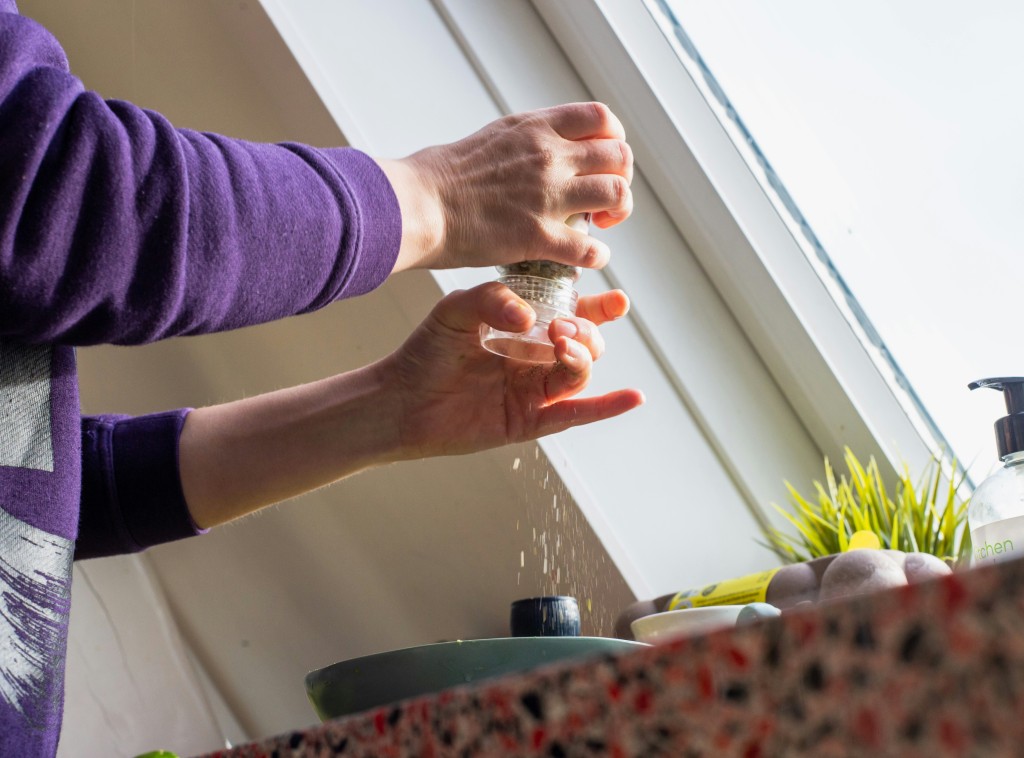
Queen Mary University of London in the UK published a research report in 2024 pointing out that 1 action at the dining table increases the risk of stomach cancer. The research team tracked and analyzed the health status of more than 470,000 adults for as long as 10 years, yielding the following results.
The study found that compared with people who "never or rarely" add salt at the table, those who "always" add salt had a 41% higher risk of stomach cancer. Stomach cancer is the fifth most common cancer worldwide and is especially prevalent in Asia, but Western population studies have been limited. The study provides evidence showing that this association may also exist in Western populations.
The team states that adding salt at the table can serve as a simple indicator for estimating excessive sodium intake in a population. Reasons for the association may include: excessive dietary salt damages the gastric mucosa and increases the risk of Helicobacter pylori infection; a high-salt diet may also act synergistically with carcinogens such as nitroso compounds, damaging gastric epithelial cells.
The study emphasizes that it is not recommending completely stopping adding salt, but rather paying attention to salt intake and minimizing salt added at the table. Lead author Celia Chen states that salt is an important seasoning and appropriate intake is necessary; the key is not to overdo it. It is recommended to choose fresh ingredients, use less salt when cooking, season with other spices, and not add extra salt at the table.