
Read More




7 hidden uses for bubble wrap aside from shock-proof packaging
09-11-2026 12:00 HKT




Healthy ageing: What can you still do despite chronic illnesses
08-11-2026 12:00 HKT

6 drinks to avoid putting in a thermos
07-11-2026 12:00 HKT


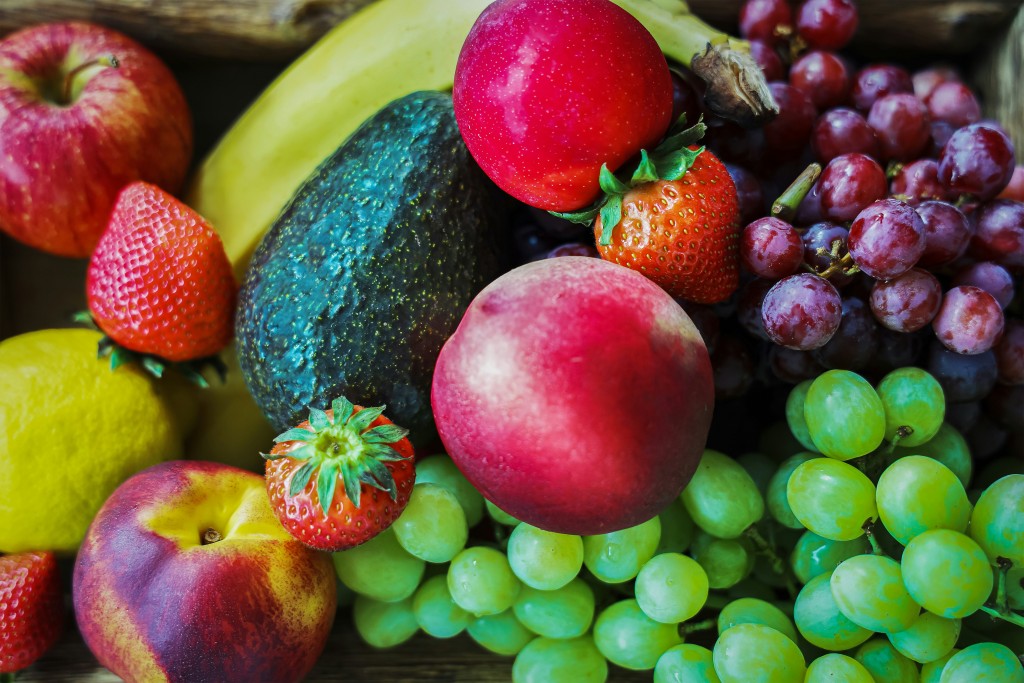
Fruit is generally considered healthy and nutritious, but it turns out that eating too much fruit may burden the liver. A Japanese doctor warns that if too much fructose from fruit is consumed, it increases the risk of fatty liver, cirrhosis, and even liver cancer. In recent years, fructose intake among city dwellers has risen, related to fruits becoming sweeter and greater economic prosperity increasing opportunities to eat them.
Dr. Toshio Akitsu, director of Tokyo Akitsu Hospital in Japan, points out that carbohydrates such as rice and bread are ultimately converted into glucose after digestion, entering the blood to supply cells throughout the body as energy. However, Dr. Akitsu says: "The harms of sugar are already widely known, but overly sweet and overly delicious fruits actually have the same problem."
Fructose in fruit, after being absorbed by the small intestine, is directly transported to the liver for metabolism. If too much fruit is eaten, the liver will produce neutral fat during the process of metabolizing fructose, causing fat to accumulate in the liver and form fatty liver. If fatty liver continues to worsen, it increases the risk of cirrhosis and liver cancer.
Akitsu explains that the increase in people's fructose intake in recent years stems from two changes:
Fruits are getting sweeter. In the past, strawberries were strongly sour, and people were used to eating them with condensed milk or sugar; watermelon needed salt sprinkled on it to taste sweet; when eating oranges in the past, only one out of five was sweet, but today's fruits are almost never "unpleasant." The sweeter and more delicious the fruit, the more sugar intake naturally increases.
People are economically wealthier. In the past, bananas and melons were luxury foods that ordinary people found hard to eat every day, naturally creating "moderation." But with economic development and rising purchasing power, former luxuries have now become everyday household items, increasing opportunities to eat them, and fructose intake has risen accordingly.
So how much fruit is appropriate to eat? Akitsu suggests referring to the following fruit portions: 3 grapes, a small piece of melon—very refined. Eating this portion every day will not harm the liver, and can both take in beneficial nutrients such as vitamin C, potassium, and folic acid from fruit, while avoiding excessive fructose.
Akitsu especially reminds that juice makes it easier to consume excessive fructose than whole fruit. "Cool beverages contain 'glucose-fructose syrup' or 'fructose-glucose syrup,' and everyone knows to drink less of them. But many people think vegetable juice or fruit juice is healthier, when in fact both contain large amounts of fructose." Moreover, drinking juice is faster and easier to consume in large amounts than eating whole fruit, and the amount of fructose the liver receives is greater than from eating solid fruit.
Akitsu says that for many years doctors have reminded patients to pay attention to "overeating, overdrinking, smoking, and other intemperate behaviors." But in recent years, diet and alcohol consumption have become moderate, and the number of people quitting smoking has increased. Therefore, "the relationship between fruit and health" has become the next improvement point attracting much attention.
Source: Daily Shincho