When taking frozen food out of the freezer compartment and finding its surface covered in thick frost, would you hesitate and wonder, "Is it still safe to eat?" Japanese frozen food company Umios explains that frost may be a warning sign of declining quality. If the following 3 situations appear, you should avoid eating it to prevent affecting your health.
Can Frozen Food with Frost Still Be Eaten? Do Not Eat It in These 3 Situations
1. Food Covered in White Frost
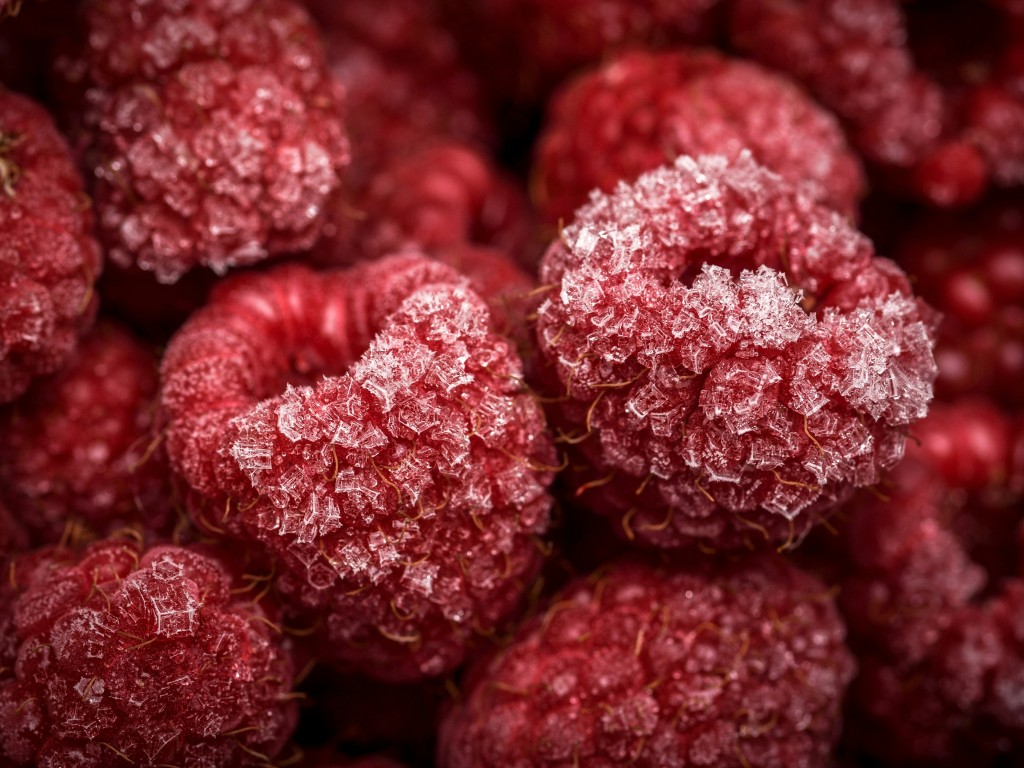
When the surface of frozen food is covered in a white frost layer as if sprinkled with snow, it means the moisture in the food has melted and refrozen, and the quality has deteriorated. It should be avoided.
2. Food in the Bag Forming Hard Clumps
If frozen vegetables or fried rice that were originally distinct grains form a hard clump, it indicates that frost has formed and stuck the food together, and it is likewise not recommended to eat.
3. Food Discoloration
If frozen food turns yellowish-brown or white, it is a sign of moisture loss and drying, and it should be stopped from being eaten.
Where Does Frost Come From?
Frost on frozen food originates from moisture in the air or in the food being affected by temperature changes, thawing, and then freezing again. The process is as follows:
-
The freezer temperature rises, and the frozen state of the food loosens.
-
Moisture in the food melts and flows out.
-
When it freezes again, the moisture forms frost on the surface of the food.
In addition, frost on the packaging bag is caused by the temperature difference between the inside and outside of the bag, causing moisture in the air to condense and then freeze. If the freezer can maintain -18°C or below, frost will almost never form. However, household fridges are frequently opened and closed, making constant temperature difficult, so frost is more likely to form.
Shopping and Storage Tips
When shopping, frozen food should be put into the shopping basket last, and an ice bag or cooler bag should be used to bring it home as quickly as possible to shorten transport time. Once home, put it into the freezer immediately.
Storage tips:
-
Aim to finish eating within 2 to 3 months after purchase.
-
For foods not used up in one go, such as frozen vegetables, after taking out the required amount, squeeze out the air in the bag and seal it, then quickly put it back in the freezer; it can also be transferred to an airtight bag for sealing.
-
Once thawed, frozen food should not be frozen again. Refreezing after thawing damages the food's structure, increases the risk of microbial growth, and produces large amounts of frost.
Experts remind citizens to regularly check the freezer to know which foods have been stored too long, and to eat them within 2 to 3 months after purchase to ensure food safety and quality. Rather than risk eating spoiled food, it is better to clean it out early to protect family health.
Source: Umios Corporation