For Hong Kong people who love traveling abroad, taking a plane is already routine, but there are some little-known facts about flying to pay attention to! According to a report by the Japanese lifestyle website TRILL, the YouTube channel of a senior former flight attendant, "Sana Travel / Former International Flight CA Travel Information," shares multiple life-saving and precautionary tips before flying. If you do not pay attention to your diet or physical condition before boarding, you may trigger severe discomfort at high altitude, or even cause fatal risks.
Avoid Heavy Drinking to Prevent Severe Dehydration and Do Not Board Immediately After a Tooth Extraction or Tattoo
To make long-haul flights smooth and comfortable, the former flight attendant especially reminds of the following things that must be avoided before boarding:
-
Never drink heavily before boarding: The cabin environment is already quite dry, and drinking alcohol will accelerate the body's water loss and cause severe dehydration. Therefore, be sure to exercise restraint in airport lounges or restaurants.
-
Allow recovery time after a tooth extraction: Due to changes in air pressure at high altitude, wounds after tooth extraction can easily cause severe pain or even bleeding on the plane. Generally, a 24- to 48-hour interval should be allowed after a tooth extraction, and about one week after having a wisdom tooth removed.
-
Avoid long-haul flights after getting a tattoo: The low-humidity cabin environment will cause the newly tattooed area to become dry and swollen. If a feeling of tightness from edema occurs, it can be extremely painful.
Avoid Eating Gas-Producing Foods to Prevent Intestinal Bloating and Discomfort
Besides the above daily habits, some arrangements involving internal body pressure and special activities require even more caution:
-
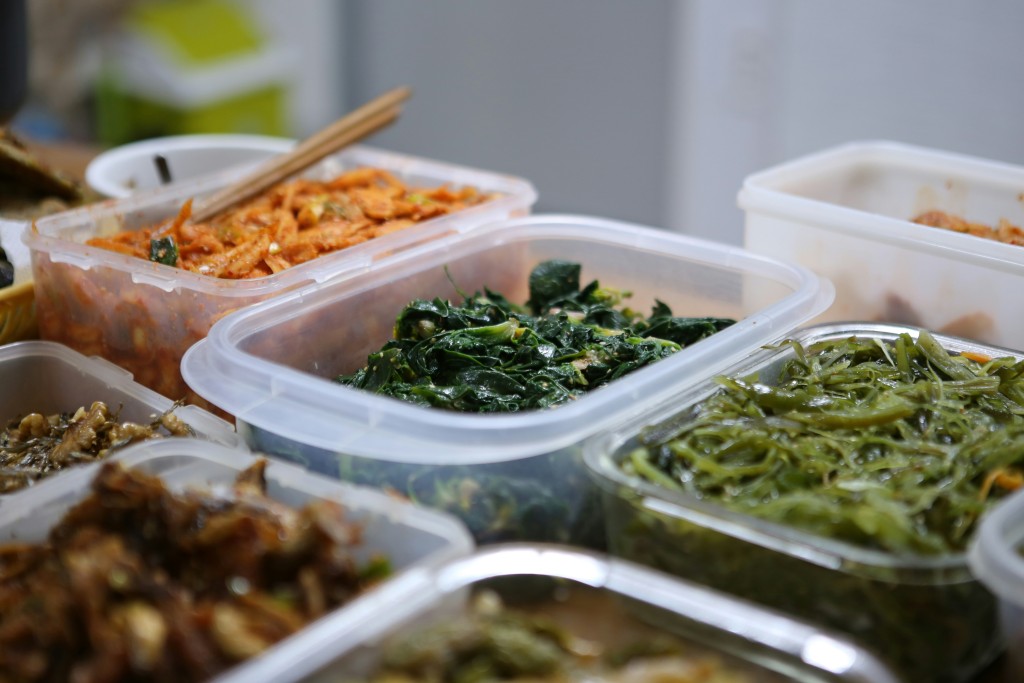
Avoid eating excessive amounts of gas-producing foods: Reduced air pressure at high altitude causes intestinal gas to expand. Eating too many beans, cabbage, or carbonated drinks before boarding can cause severe bloating.
-
Boarding with a stuffy nose increases the risk of otitis media: Rapid changes in air pressure increase the chance of barotraumatic otitis media, which can easily cause severe ear pain during descent. Nasal sprays or swallowing saliva can be used to balance ear pressure.
-
A certain interval must be allowed after diving: If residual nitrogen in the body after diving has not been cleared before boarding, it will form bubbles as air pressure decreases and cause decompression sickness. At least 12 hours should be allowed after a single dive, and more than 18 hours after multiple days of diving.
Source: Sana Travel / Former International Flight CA Travel Information