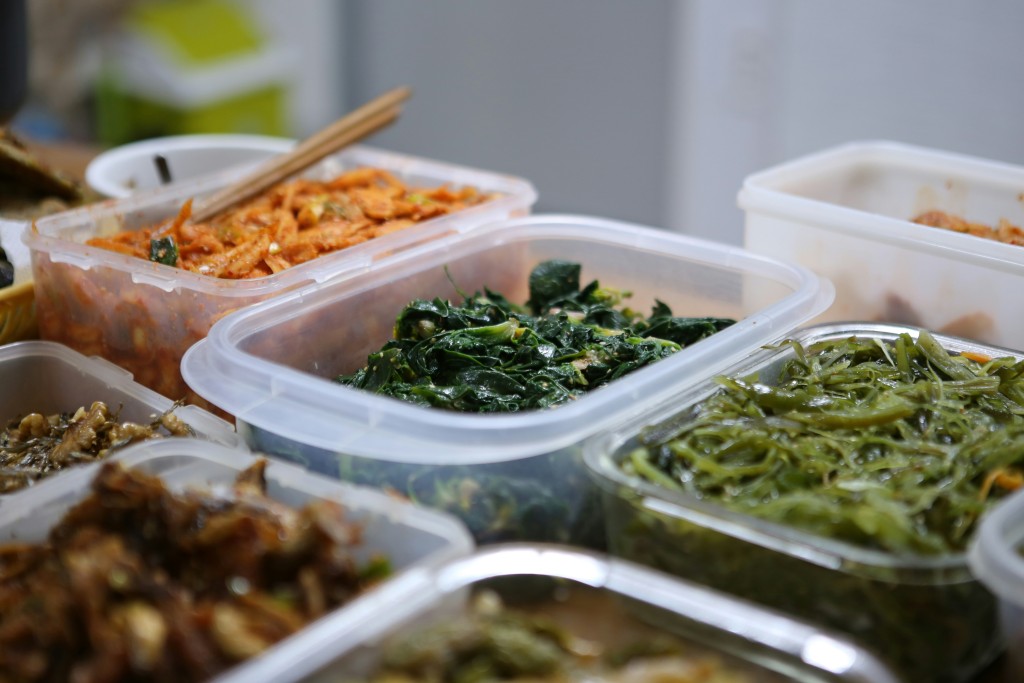
Takeout soup containers and everyday food storage boxes may be silently releasing toxic or even carcinogenic substances. Taiwanese family physician Dr. Lee Sihsien recently warned on social media that common food containers could be hidden health hazards. He specifically named several types of "formaldehyde tableware" to avoid, as they can leach harmful substances into food.
Melamine Releases Formaldehyde
1. Melamine (Faux Porcelain Bowls): Often used as children's tableware or in tea restaurants, these are made from formaldehyde resin. When filled with hot or acidic food, formaldehyde leaching increases significantly. Studies show that at high temperatures, formaldehyde release can exceed safety limits by tens of times. Long-term exposure poses serious health risks.
2. Styrofoam: Not heat-resistant. When in contact with hot food, soup, or grease, it leaches styrene, classified as a possible carcinogen.
3. PVC (Polyvinyl Chloride): Commonly found in older cling films. Contains phthalates, which are endocrine disruptors that can interfere with hormones.
Conditionally Safe – But Use With Caution
Some containers are considered safe under certain conditions but still pose risks if used improperly:
1. PET Plastic Bottles: Safe for single use. However, leaving them in hot cars under direct sunlight or reusing them for hot water can leach heavy metals (antimony) and microplastics. Dispose of after one use—do not reuse.
2. PP Takeout Containers: PP (polypropylene) is the most heat-resistant plastic and often labelled "microwave-safe." However, recent studies show that even PP releases microplastics when heated, affecting metabolism.
3. Aluminium Products: Acidic foods like vinegar or tomatoes can leach aluminium ions. If the surface is scratched, the risk increases.
Safest Choices: Glass and Stainless Steel
For peace of mind, experts recommend choosing materials that are chemically inert and unlikely to leach harmful substances:
1. Stainless Steel: Common types are 304 and 316. Both are relatively safe. 316 stainless steel, which contains molybdenum, has better corrosion resistance—making it ideal for water bottles and lunch boxes.
2. Glass: Chemically very stable and almost never leaches anything. Apart from lead-containing crystal glass, most tempered glass is very safe.
3. Ceramics: The ceramic body is safe, but glaze quality matters. Brightly coloured, non-food-grade glazes may contain lead or cadmium. Choose products with food-grade certification.
4. Titanium: Currently the most inert metal container—least likely to leach. While more expensive, it's a worthwhile long-term health investment if budget allows.
In summary, glass and stainless steel are the most accessible and safest upgrades. Plastics aren't entirely off-limits—but the combination of high heat and acidic food is when the risk of leaching is highest. Pay close attention in daily life.
Source: Taiwanese Family Physician Dr. Lee Si-hsien