Can quitting sugar really make you healthier—or even improve your skin? Mainland Chinese million-follower influencer Tim, founder of the media company Ying Shi Ju Feng, posted a YouTube video inviting two colleagues to a 14-day experiment: one strictly controlled sugar intake while the other ate a high-sugar diet. After 14 days, they observed changes in body data and skin condition. Results showed the no-sugar group had significant improvements in weight, visceral fat, and facial redness. But the process also revealed that extreme sugar elimination is hard to sustain. Experts recommend a "small steps" approach to gradually control sugar intake.
14-Day Challenge: One Quits Sugar, One Indulges
Participant OO strictly eliminated sugar, while Yufei maintained a high-sugar diet. For the first three days, both ate a standard diet before undergoing physical examinations. Although their body data was similar, OO's visceral fat index was 12.7 points higher than Yufei's. Skin testing showed OO had more severe facial redness and higher follicular sebaceous activity. The no-sugar group's meals consisted of sugar-free nutritional dishes with no added sugar in any seasoning. OO described the food as dry, low in oil, and lightly seasoned, with meat that was firmer in texture. The high-sugar group's Yufei continued enjoying milk tea and desserts.
Sugar Revealed: "No-Sugar" Fruit Tea Contains 18g of Sugar
During the experiment, on Day 6, Yufei drank a fresh juice labelled as having no added sugar. But blood glucose monitoring showed her blood sugar rose rapidly by 2 mmol/L. Experts point out that natural sugars in fruit lose their dietary fibre when juiced, making the sugar easier to absorb.
The production team then tested the sugar content of Yufei's milk tea and fruit tea. They found that even when labelled "30% sugar," each 100ml of milk tea contained 4g of sugar. A fruit tea labelled "no sugar added" still contained 4.28g per 100ml—meaning a 400ml cup provided nearly 18g of sugar. The team reminds that modern added sugars have dozens of different names. While sugar substitutes aren't sugar but sweeteners, and sugar-free drinks are indeed healthier than sugary ones, moderation is still needed.
No-Sugar Group Lost 2kg, High-Sugar Group's Visceral Fat Rose 5.2
After 14 days, both underwent hospital examinations again:
-
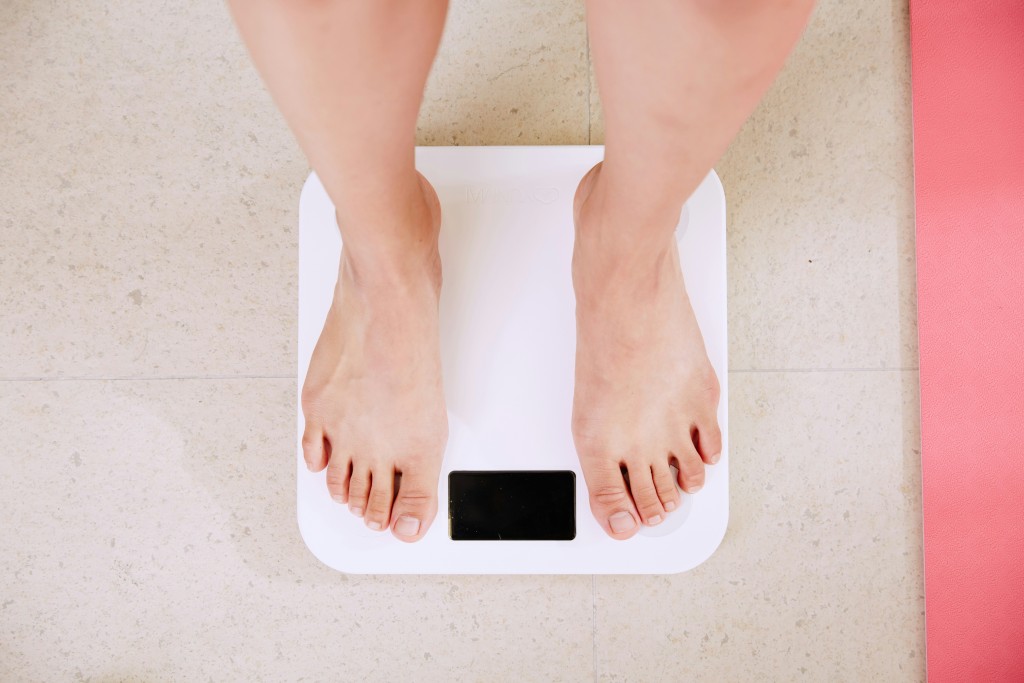
No-Sugar Group OO: Weight dropped 2kg, including 0.8kg of fat loss. Visceral fat index decreased by 5.
-
High-Sugar Group Yufei: Weight increased 1.1kg. Visceral fat index increased by 5.2.
Yufei consumed 1,075g more added sugar than OO during this period, and nearly 900g more fat (double OO's intake). OO said that while quitting sugar meant losing some dietary enjoyment, her sense of taste became sharper, and she unknowingly lost 2kg. Yufei admitted that eating too many sweets later made her mouth feel overwhelmed by artificial sweetener tastes—an unpleasant sensation.
Redness Improved After Quitting Sugar – Why Is Quitting Sugar Good for Skin?
Skin testing showed OO's facial redness significantly improved, inflammation reduced, and oiliness decreased. Although Yufei's forehead acne seemed to subside, her follicular sebaceous activity and redness both slightly worsened—she also felt her skin had gotten worse.
The production team explains that a high-sugar diet causes insulin to rise, which in turn promotes another hormone called IGF-1. The surge of both hormones directly stimulates sebaceous glands, leading to oiliness and acne. Additionally, excess sugar in the blood undergoes "glycation" with collagen in the skin, causing collagen fibres to lose elasticity and eventually making skin appear sagging and dull.
Expert Advice: Don't Go Extreme with Sugar Control – Use Small Steps
Chinese registered dietitian Jin Xing points out that reducing sugar does help health, but extreme elimination is hard to maintain long-term. He recommends the "small steps" approach:
-
In the first week, swap full-sugar milk tea for half-sugar.
-
Choose low-sugar, low-calorie convenience store drinks as a transition.
-
Replace some white rice with whole grains like brown rice and oats—refined carbs break down quickly into glucose, causing sharp blood sugar spikes.
-
Use AI tools or mobile apps to track your diet, combined with blood sugar analysis, to understand your glycemic response to different foods.
Source: 億點點不一樣