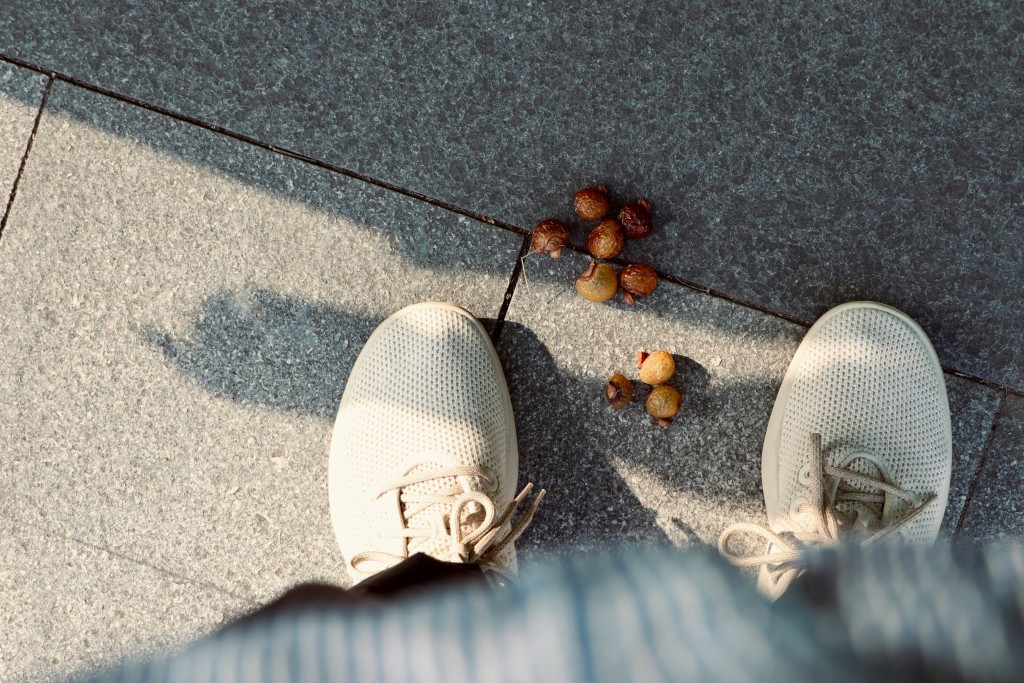
Many people have experienced this: food accidentally falls on the floor, and they immediately invoke the "3-second rule," picking it up before bacteria "get on it," giving it a quick rinse, and continuing to eat. Is the "3-second rule" (also known as the "5-second rule") real?
Is the 3-Second Rule Credible? Three Studies Consistently Say No
Professor John Tregoning, a vaccine immunology professor at Imperial College London, cites multiple studies showing this long-circulated belief doesn't hold up—bacteria transfer almost the instant food touches the ground and can linger on surfaces for hours. Rinsing with water doesn't guarantee safety.
Wet and Dry Food Study: Wet Food on Hard Surfaces Transfers Bacteria Fastest
The first study observed bread, buttered bread, watermelon, and gummy bears dropped onto bacteria-covered surfaces like tile, steel, wood, and carpet. Results found bacteria "transferred almost immediately." The most dangerous combination was wet food (like watermelon) on solid surfaces (like tile or steel).
The study showed that food moisture and surface material are key factors affecting bacterial transfer speed. High-moisture foods like watermelon, when dropped on hard surfaces like tile or steel, had the highest bacterial transfer. Dry foods like bread had less transfer, but that doesn't mean they're safe. Tregoning emphasises the worst combination is "wet food on a solid surface."
Sausage Study: Bacteria Can Linger for Hours – Bread Still Gets Contaminated
The second study dropped cooked sausages on solid surfaces and found that even if bacteria had been applied hours earlier, it still transferred to the meat. The study noted: "If you put a piece of contaminated chicken on the counter and then drop bread there two hours later, you'll still pick up bacteria. Bacteria can stay there for about 24 hours." In other words, even if a floor or counter looks clean, if it previously contacted contaminated food, dropped food hours later will still pick up bacteria.
Operating Room Study: Dropped Items Require Detergent Cleaning
The third paper examined the "3-second rule" for medical items in operating rooms. It found that if a surgeon drops an item on the floor, it must be thoroughly cleaned with detergent before safe reuse. This further confirms that quickly picking something up doesn't avoid contamination.
Tregoning points out that rinsing with water isn't enough to guarantee food is clean—especially for immunocompromised individuals, or in homes where pets may have walked through contaminated areas. Even if a pet walked by hours ago, residual bacteria on the floor can still transfer to food. He states plainly that for health's sake, once food hits the floor, the safest approach is to throw it away: "I think you have to accept that it's gone."
Source: Professor John Tregoning, Professor of Vaccine Immunology, Imperial College London