Do you casually leave pepper or curry powder next to the stove, or even refrigerate them? Be careful—spices can spoil faster and grow mold. An expert shares tips for choosing and storing spices. If any of these 4 conditions appear, the flavour is gone and they should be discarded immediately.
Is Putting Pepper Next to the Stove or in the Fridge a Big Mistake?
According to EatingWell, while dried spices don't spoil as easily as fresh ingredients, their flavour and aroma gradually fade over time, making it hard to know when to throw them out. Spice quality and shelf life depend on daily storage habits—some common kitchen habits unknowingly accelerate spoilage. Flavour expert Jennifer Kellison from a spice company and registered dietitian Melissa Hooper share tips for choosing and storing spices:
1. Avoid Buying Large Packages
Buying large packages of ground cumin or pepper at warehouse clubs or wholesale markets may offer a much lower price per ounce. However, ground spices are generally best used within 6–12 months. Only buy the amount you'll use in that time to ensure better flavour. Whole spices, on the other hand, can last up to 3 years—these are suitable for bulk buying.
2. Choose Whole Spices
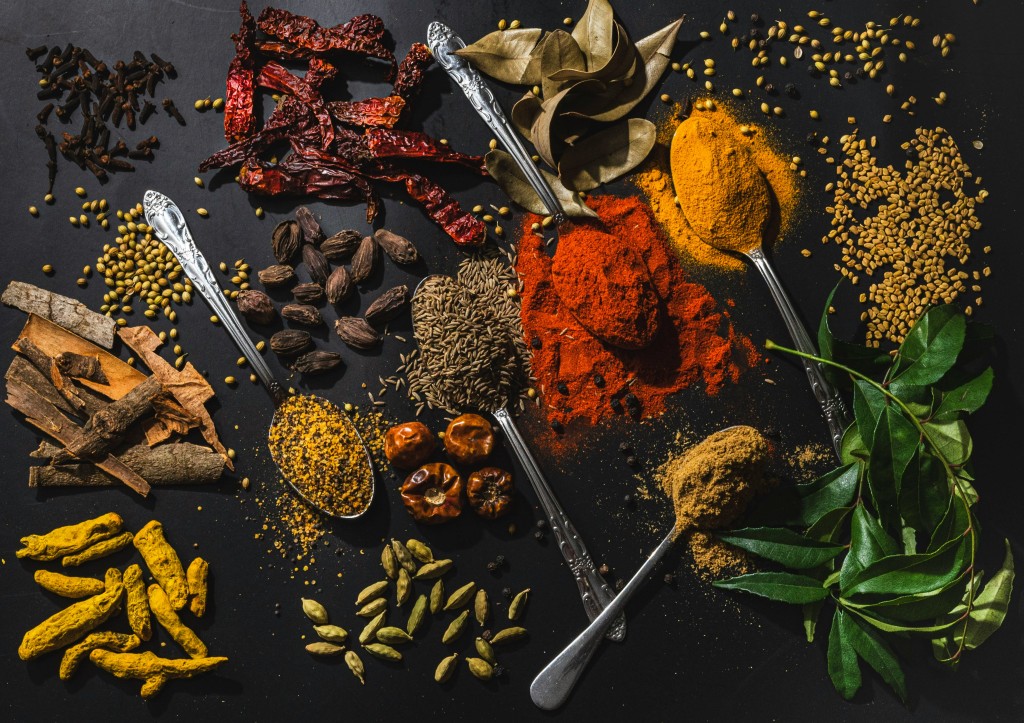
Ground spices expose a large surface area to air—this is why a jar of ground cumin loses colour and flavour quickly, while whole cumin seeds nearby stay fresh much longer. Strongly consider buying whole spices and grinding them yourself—using a blade coffee grinder, a dedicated spice grinder, or a mortar and pestle—just before cooking to release the freshest, most intense aroma.
3. Use Airtight Containers
The unique flavour and aroma of spices come from natural volatile oils. Oxygen, heat, light, and moisture are the four main culprits that cause these aromatic molecules to evaporate. Storing bagged or loose spices carelessly causes rapid flavour loss. Transfer them to airtight containers—such as clip-top glass jars with tight rubber seals or screw-top glass jars.
4. Don't Store Spices in Cabinets Next to the Stove
Many cooks keep spices in the cabinet directly above the stove or on the counter beside it for easy access—but this is the hottest and brightest spot in the kitchen. Heat and sunlight accelerate the degradation of flavour oils. Store spices in a stable, dry environment below 21°C (70°F), well away from the stove, heating vents, dishwasher-adjacent drawers, and windowsills.
5. Don't Shake Spice Jars Directly Over a Hot Pan
Moisture is the main cause of clumping and mold in spices—and it often enters the jar without you realizing. Many people habitually shake a spice jar directly over a steaming pot or wok while cooking. The rising steam is instantly drawn into the jar, causing the remaining spices to absorb moisture, clump, and lose freshness. The correct approach is to scoop the needed amount into a spoon or small bowl first.
6. Don't Refrigerate Spices
Many people habitually store leftover spices in the fridge or freezer—but this is a big mistake. Each time you take a chilled spice jar out to room temperature, the temperature difference causes condensation to form inside the jar. Moisture is the greatest enemy of spices—condensation directly promotes mold growth inside the jar, even in dried spice jars. Therefore, a cool, dry pantry is far better than the fridge for storing spices.
4 Signs Your Spices Have Gone Bad
The date on a spice jar doesn't fully indicate whether it's still worth using. Combine these 4 indicators to check if your spices need replacing:
1. Weak Aroma: Take a small amount in your palm and rub firmly with your fingers. If the scent is very faint or completely gone, it can no longer add flavour to dishes.
2. Severe Colour Fading: For example, if bright brick-red paprika has faded to grey-orange, it has lost both its colour and flavour. Note that some spices may retain bright colour but have no aroma—so combine colour and scent checks.
3. Moisture Clumping: If the spice powder sticks together, forms hard clumps, or becomes unusually dry, moisture has entered the jar and mold may grow.
4. Dry, Flat Taste: Take a pinch and taste it on your tongue. Good cumin should taste slightly bitter and warm; cinnamon should be sweet and spicy. If it tastes dry, flat, and lacks complexity, the essential oils have evaporated—discard immediately.
Source: EatingWell