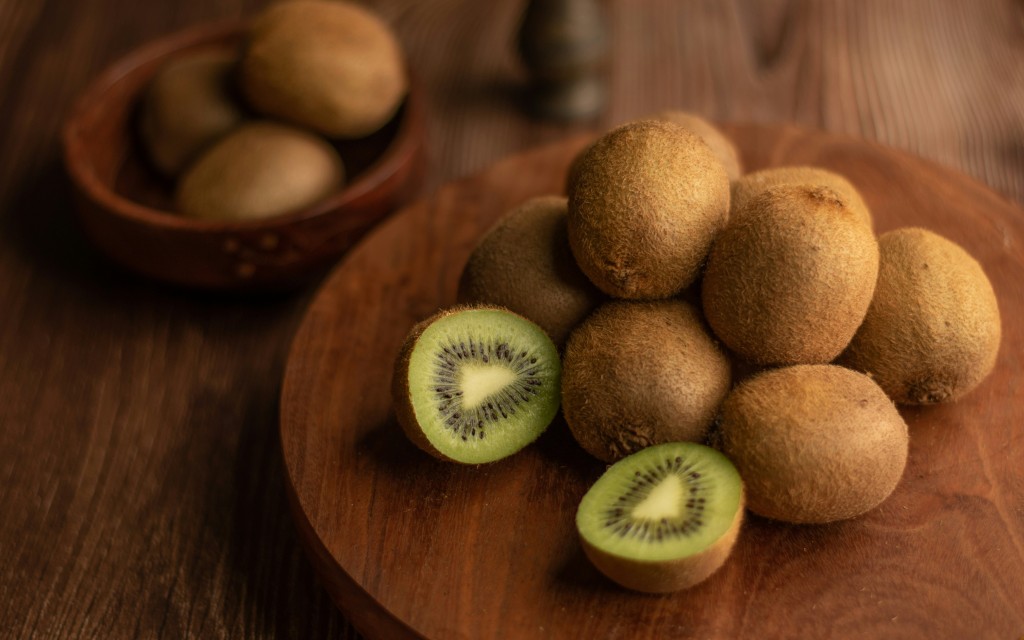
Can eating kiwi help lower blood pressure? New medical research confirms that regular kiwi consumption can significantly reduce both systolic and diastolic blood pressure. Eating a specific daily amount may lower cardiovascular disease risk by 10%.
Study Confirms Daily Kiwi Intake Lowers Cardiovascular Disease Risk by 10%
Nutritionist Cortis shared on Facebook that high blood pressure is known as the "silent killer." Many people with elevated blood pressure don't feel obvious symptoms and don't measure their blood pressure regularly, so it's easily overlooked. However, long-term high blood pressure significantly increases the risk of stroke, acute myocardial infarction, and kidney failure. Beyond the DASH diet (rich in fruits and vegetables), new research has found that eating one specific fruit can bring significant blood pressure-lowering effects.
What Did the Study Find?
He cited a 2026 study published in Health Science Reports. Researchers comprehensively searched clinical databases up to May 2026, compiling 6 rigorous randomized controlled trials (RCTs). Results confirmed that regular kiwi consumption brings significant blood pressure-lowering benefits:
The study also found that eating 3 kiwis daily had a more pronounced effect than eating 2. Don't underestimate the power of reducing systolic pressure by just 5 mmHg—a large cardiovascular clinical study covering over 380,000 people confirmed that successfully lowering systolic pressure by 5 mmHg is enough to reduce the risk of major cardiovascular events by 10%.
4 Golden Mechanisms Behind Kiwi's Blood Pressure-Lowering Effect
Why does a small kiwi have such powerful blood pressure-lowering ability? Cortis explains it's mainly due to 4 mechanisms:
1. Antioxidant
Kiwi is rich in polyphenols, vitamin C, carotenoids, and vitamin E—powerful antioxidants that neutralize oxidative stress by reducing hydrogen peroxide, chelating metal ions, and inhibiting reactive oxygen species (ROS).
2. Dietary Fibre
A single kiwi provides about 10% of the daily recommended dietary fibre intake. High fibre helps improve blood lipid profiles and lowers the risk of coronary heart disease and myocardial infarction.
3. High Potassium
Kiwi is a high-potassium fruit, and potassium is a well-known key mineral for lowering blood pressure. Adequate potassium promotes vasodilation, increases glomerular filtration rate, reduces renin secretion, decreases renal sodium reabsorption, and inhibits excessive platelet aggregation.
4. Unique Bioactive Factors
Kiwi contains unique bioactive compounds that inhibit angiotensin-converting enzyme (ACE) activity, reducing the production of angiotensin II (which constricts blood vessels), thereby lowering blood pressure.
He reminds that for those whose blood pressure is borderline high but not yet requiring medication, early dietary adjustment to intake quality nutrients is a golden opportunity to delay or even reverse cardiovascular damage. Beyond eating more fruits and vegetables, the fundamental rules for long-term cardiovascular health remain choosing minimally processed whole foods, regular aerobic exercise, and weight management—a multi-pronged approach for healthier blood vessels.
What Are the Common Symptoms of High Blood Pressure? Headache/Dizziness May Be High-Risk
High blood pressure is very common in Hong Kong. According to the "2020-22 Population Health Survey," the total prevalence of hypertension among Hong Kong residents aged 15–84 is 29.5%. According to the Department of Health, hypertension means persistently high blood pressure even at rest. Blood pressure persistently exceeding 140/90 mmHg is considered hypertension.
Since most hypertensive patients have no obvious symptoms, it's often called the "silent killer." Common symptoms include:
-
Dizziness
-
Blurred vision
-
Headache
-
Fatigue
-
Facial flushing
The Department of Health reminds that untreated or uncontrolled hypertension can lead to coronary heart disease, heart attack, heart failure, stroke, retinal vascular disease, and kidney failure—potentially fatal. The higher the blood pressure and the longer it remains uncontrolled, the greater the chance and severity of complications.
Most hypertension has no obvious cause, but the following individual or combined factors increase risk:
Other contributing causes:
Sources: Nutritionist Cortis, Department of Health (Hong Kong), 2020-22 Population Health Survey