If anti-cancer foods are cooked incorrectly, their nutrients and cancer-fighting benefits can be significantly reduced. Nutritionist Qiu Shixin shared on Facebook that different anti-cancer foods require very different cooking approaches—some need "cut first, wait later," some need "stir-fry with oil," while others "must not be heated." He lists the correct cooking methods for 8 common anti-cancer foods:
1. Broccoli
The key anti-cancer compound sulforaphane isn't naturally present—it's formed when broccoli is cut or chewed, converted by the enzyme myrosinase. But this enzyme is extremely heat-sensitive. Boiling in water for too long can destroy over half of the compound. Best approach: cut and let sit for 30–40 minutes, then steam gently over medium heat for 3–4 minutes until bright green and crisp. Avoid boiling, high-power microwaving for long periods, or high-temperature roasting. If you're short on time, pair with grated daikon radish or wasabi to aid conversion.
2. Spinach and Sweet Potato Leaves
These provide fat-soluble beta-carotene and heat-sensitive folate. Quickly stir-fry with a little oil, or blanch briefly and remove. Avoid prolonged boiling or soaking in large amounts of water.
3. Guava, Kiwi, and Citrus Fruits
Rich in water-soluble vitamin C, which is extremely sensitive to heat and prolonged water exposure. Eat raw, cut and eat immediately. Avoid leaving freshly squeezed juice out for long periods, and never cook them into hot dishes.
4. Tomatoes
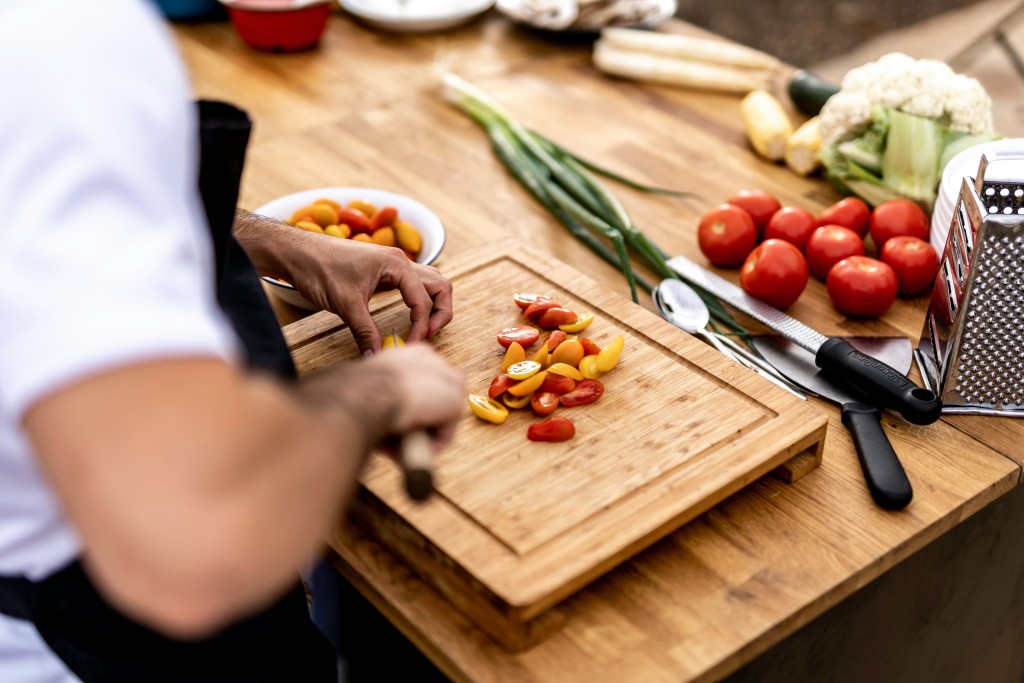
Lycopene is fat-soluble. Cooking with oil dramatically increases absorption. Scrambled eggs with tomatoes or slow-simmered tomato sauce with olive oil are excellent choices. This approach is the opposite of vitamin C—don't get them mixed up.
5. Berries
Rich in anthocyanins and polyphenols. These are heat-sensitive but more stable than myrosinase. Eat raw, blend into smoothies, or mix with plain yogurt. Avoid long, slow cooking into jams, which adds excess sugar.
6. Deep-Sea Fish
Omega-3 fatty acids are unstable and oxidise easily at high temperatures. Steam, poach, or bake at low temperature. Avoid high-temperature frying or extended high-heat pan-frying.
7. Nuts
Vitamin E and unsaturated fats are also sensitive to heat oxidation. Choose raw, unsalted, or low-temperature roasted nuts. After opening, store in a sealed container in the fridge. Avoid honey-roasted or salted nuts—added sugar, oil, and salt reduce health benefits. If they smell rancid, don't eat them.
8. Legumes
Soaking and fermentation (e.g., miso, tempeh) improve the absorption of soy isoflavones. Soak dried beans thoroughly before cooking to reduce cooking time and remove phytic acid. Include naturally fermented soy products in moderation.