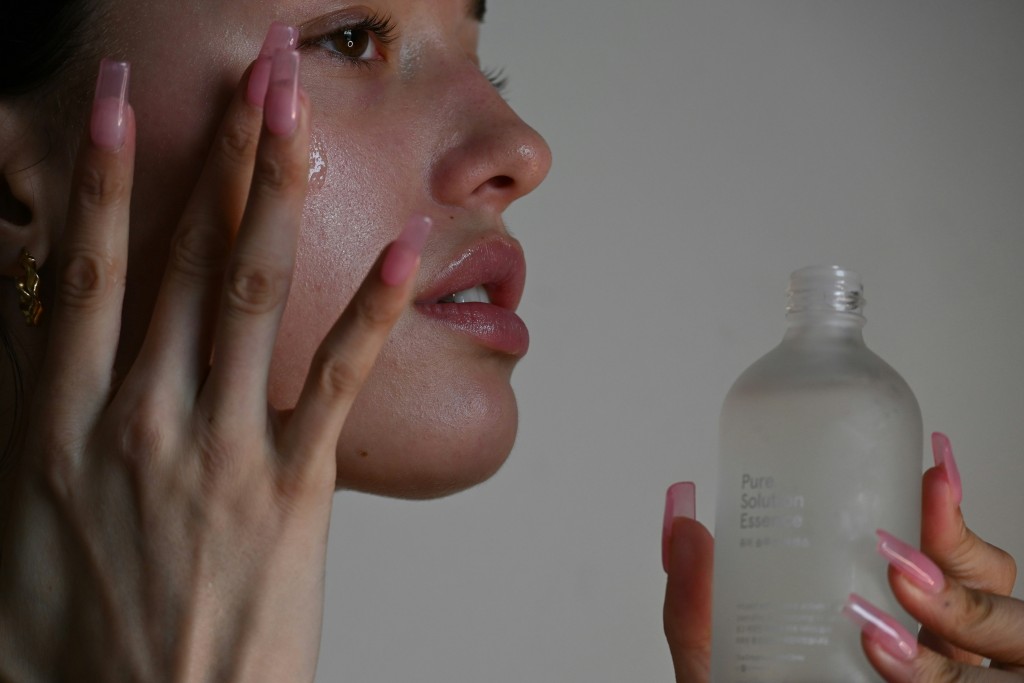
As we age, our faces begin to show signs of time: age spots, fine lines, and eye bags. While we can't stop time, we can address age-related skin issues through daily skincare and targeted treatments. Harvard Medical School has outlined 5 anti-aging skincare tips and methods for tackling age spots, crow's feet, and eye bags.
As we age, skin shows signs like age spots, fine lines, and eye bags. Harvard Health Publishing notes that loss of collagen and elastin, reduced oil production, and slower skin cell turnover are primary causes of wrinkles and dryness. While aging is irreversible, good skincare habits can slow it down. The keys are hydration, sun protection, and gentle care. Here are 5 anti-aging skincare tips:
5 Daily Anti-Aging Skincare Tips
- Gentle Cleansing: Wash your face once daily with a mild cleanser to remove dirt and oil without stripping natural moisture. Avoid harsh soaps that can over-dry your skin.
- Moisturize Regularly: Skin becomes drier with age; moisturizers help keep it hydrated and smooth. Apply unscented moisturizer after bathing and whenever skin feels dry. Products with hyaluronic acid or glycerin are especially effective.
- Daily Sunscreen: Sun protection is the most important anti-aging step. Apply SPF 30 or higher sunscreen daily, even on cloudy days or in winter.
- Use Antioxidant Products: Free radicals are unstable molecules that damage skin cells. Skincare with antioxidants like vitamin C helps neutralize free radicals, brighten skin, and reduce age spots.
- Gentle Exfoliation: Chemical exfoliation (e.g., retinoids, alpha-hydroxy acids) 1-2 times weekly is better for anti-aging than physical scrubs. Follow instructions carefully to avoid over-irritating skin.
1. Fading Age Spots
Age spots (liver spots or sunspots) are flat brown, black, or gray patches appearing on sun-exposed areas. They are harmless but affect appearance. They are common in people over 50, but can also appear in younger individuals with excessive sun exposure. Here are ways to fade them:
- Topical Products: Creams or lotions with hydroquinone, retinoids, or vitamin C can lighten age spots.
- Chemical Peels: A dermatologist or licensed professional applies a chemical solution (with alpha-hydroxy acid, trichloroacetic acid, glycolic acid, or lactic acid) to remove the skin's top layer, lightening spots.
- Laser Therapy: Targets pigment cells; may require multiple sessions. Use cautiously on darker skin tones. Not suitable for those with certain skin conditions, pregnant women, or those prone to scarring. Individuals with a history of cold sores (herpes simplex) may need to avoid laser or take extra precautions.
2. Smoothing Wrinkles
Wrinkles are fine lines and folds, typically around the eyes, mouth, and forehead. They form as skin loses elasticity and are deepened by repeated facial expressions, sun damage, and gravity.
- Retinoids: Promote collagen production, thicken skin, and smooth the surface. Prescription options like Retin-A, Avage, and Tazorac are stronger; over-the-counter products contain retinol or retinaldehyde.
- Neuromodulators (e.g., Botox): Temporarily relax muscles, smoothing expression lines. Effects last about 3-6 months.
- Soft Tissue Fillers (e.g., hyaluronic acid): Plump wrinkles and restore volume to cheeks and lips. Effects last 6 months to 2 years.
- Microneedling: Uses tiny needles to create micro-injuries, stimulating collagen production to smooth wrinkles.
3. Fading Crow's Feet
Crow's feet are fine lines at the outer corners of the eyes. The thin skin here makes it a prime spot for early aging signs. Treatments are similar to those for general wrinkles. Lifestyle choices also affect their appearance:
- Sun Exposure and Sunscreen: Wear sunglasses and a hat to protect eyes from UV rays (reduces squinting, preventing crow's feet).
- Stress Management: Emotions like anger, sadness, and anxiety cause facial expressions that worsen crow's feet.
- Smoking: Reduces blood flow to the skin and damages collagen and elastin, accelerating crow's feet formation.
4. Reducing Eye Bags
Eye bags (dark circles) are dark, swollen areas under the eyes, making you look tired. They're often caused by loosening muscles and tissues around the eyes. Lack of sleep, genetics, and fluid retention make them more noticeable. Solutions range from makeup to fillers, skin rejuvenation, and surgery for severe cases. Tips to reduce them:
- Keep the Eye Area Cool: Cold compresses temporarily reduce puffiness.
- Use Eye Creams with Caffeine: Topical caffeine may reduce swelling and pigmentation from vascular leakage. Studies show caffeine gels penetrate skin to improve puffiness and pigmentation around the lower eyelid.
- Use Peptides: Found in many eye creams, peptides help reduce dark circles. Some stimulate collagen/elastin production, others inhibit enzymes that break down skin structure, and carrier peptides deliver nutrients to repair and strengthen skin.
- Sleep on Your Back: Sleeping slightly elevated prevents fluid accumulation, reducing puffiness and dark circles.
Source: Harvard Medical School (Harvard Health Publishing)