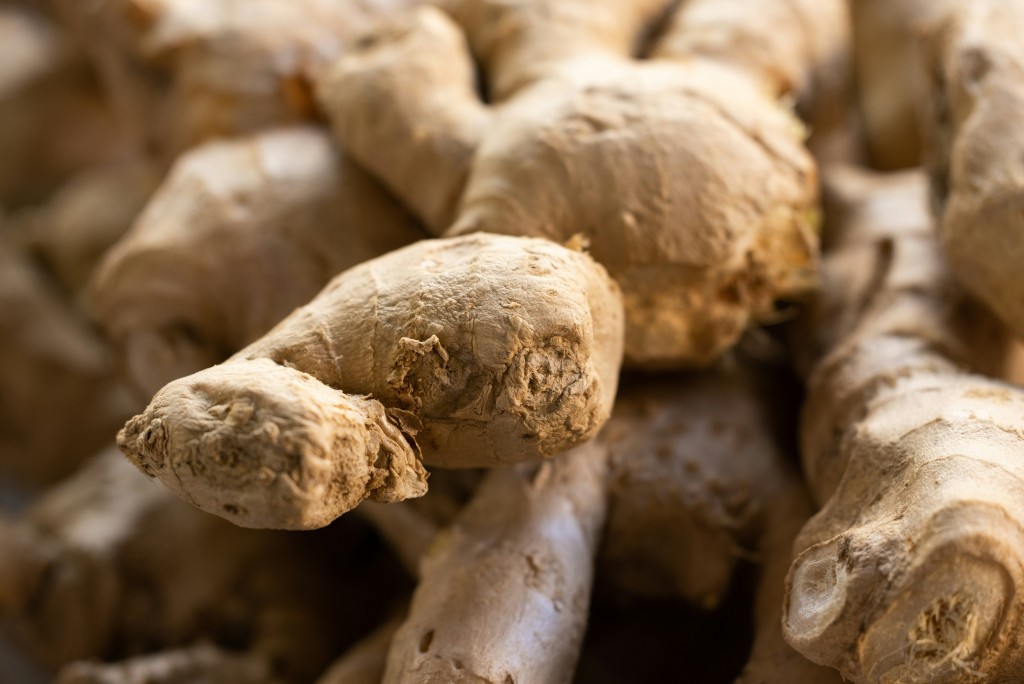
Ginger is a common household staple. However, its strong irritating properties means excessive consumption can easily overstimulate the stomach, leading to symptoms like abdominal pain, diarrhea, stomach pain, and heartburn. Registered dietitian Mami Nakamura advises that ginger should be consumed in moderation as a seasoning, and cautions against overdoing it.
Daily Ginger Intake Guidelines: Excess Can Irritate Stomach Lining
There is no clear upper limit for ginger intake in daily diets. However, due to its strong, when used as a seasoning, dietitians recommend limiting daily intake to 5-10 grams. This translates to approximately 5-7 slices of ginger, about 1 teaspoon of grated ginger, or roughly 1-2 grams of ginger powder. When cooking or eating, be mindful to avoid excessive amounts.
Gingerol and Shogaol: Unique Health Benefits
Nutritionally, 100 grams of edible ginger contains 2.1 grams of dietary fiber, 90% of which is insoluble fiber that increases stool bulk and promotes intestinal motility. It also contains 270 mg of potassium, which helps maintain fluid balance.
Ginger is rich in the pungent compound gingerol, concentrated near the skin. Gingerol dilates peripheral blood vessels and promotes blood circulation to the extremities. Ginger also has antibacterial properties, which is why it's often served with sushi or sashimi. However, relying on ginger alone won't fully prevent food poisoning; proper food hygiene management remains essential. When ginger is dried or heated, gingerol converts to shogaol, which stimulates the stomach, activates internal organs, and generates internal body heat.
What to Do After Excessive Ginger Intake: Drink Warm Water, Avoid High-Fat and Acidic Foods
If you accidentally consume too much ginger and experience discomfort, try these relief methods:
- Hydrate: Drink warm or room-temperature water to dilute the concentration of pungent compounds in the stomach, reducing irritation. Avoid ice water, which can further irritate the stomach and worsen abdominal pain or diarrhea. While milk or soy milk might temporarily soothe acid, high-fat dairy or acidic yogurt could worsen heartburn – don't force them if symptoms appear.
- Rest Your Stomach: When experiencing stomach discomfort, don't force yourself to eat the next meal. When hungry, eat mild foods like congee, udon, apple sauce, or warm soup slowly. Strictly avoid greasy, sour, and caffeinated foods. If symptoms persist or are severe, consult a doctor.
For Warming: Use Heated Ginger; For Cooling: Eat Raw Grated Ginger
Choose cooking methods based on your needs to maximize ginger's benefits. When heated or dried, some gingerol converts to the warming compound shogaol, making it ideal for those prone to coldness when added to hot soups or stir-fries.
Conversely, young ginger (in season during summer) is rich in gingerol, which dilates peripheral blood vessels to dissipate heat, preventing summer heatstroke and fatigue. It also has strong antibacterial properties and stimulates gastric juice secretion. For removing fishy odors from meat or salmon, or as an appetizer, eating raw grated ginger or fine ginger strips is most effective.
Storage: Refrigerate for 10 Days in Crisper Drawer; Freeze for Up to a Month
For refrigeration: thoroughly pat ginger dry, wrap in kitchen paper, place in a plastic bag, and store in the vegetable crisper drawer. It will retain moisture and freshness for about 10 days.
For freezing: pre-slice, shred, or grate the ginger. Wrap individual portions in plastic wrap, or spread flat in a freezer-safe bag and freeze. It will keep for about 1 month. Use directly from the freezer without thawing – simply add to stir-fries or soups.
Source: Registered Dietitian Mami Nakamura