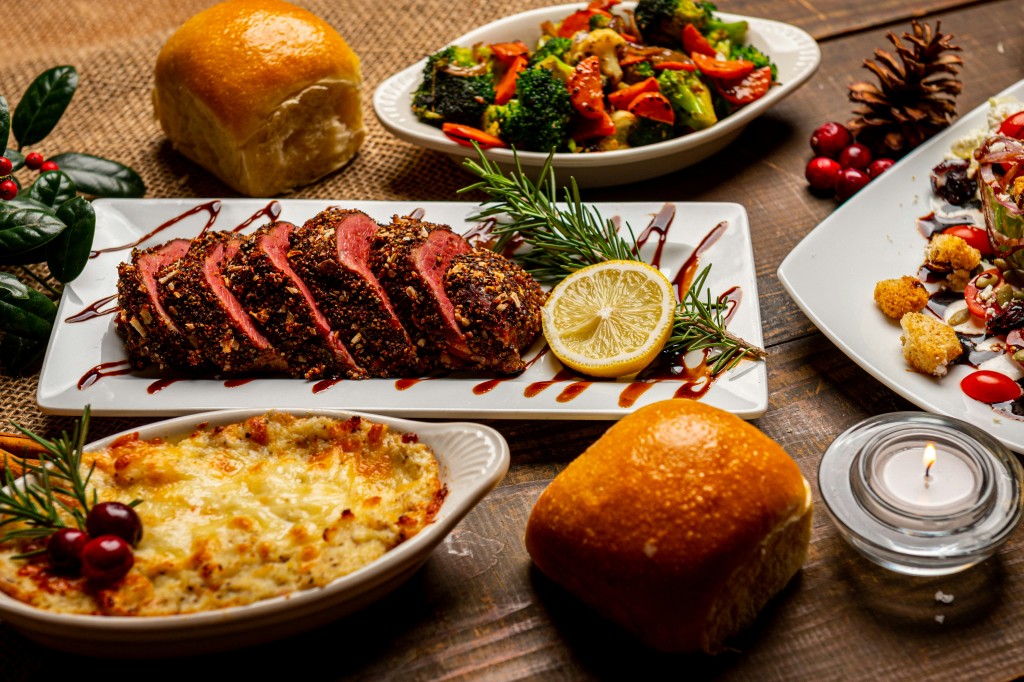
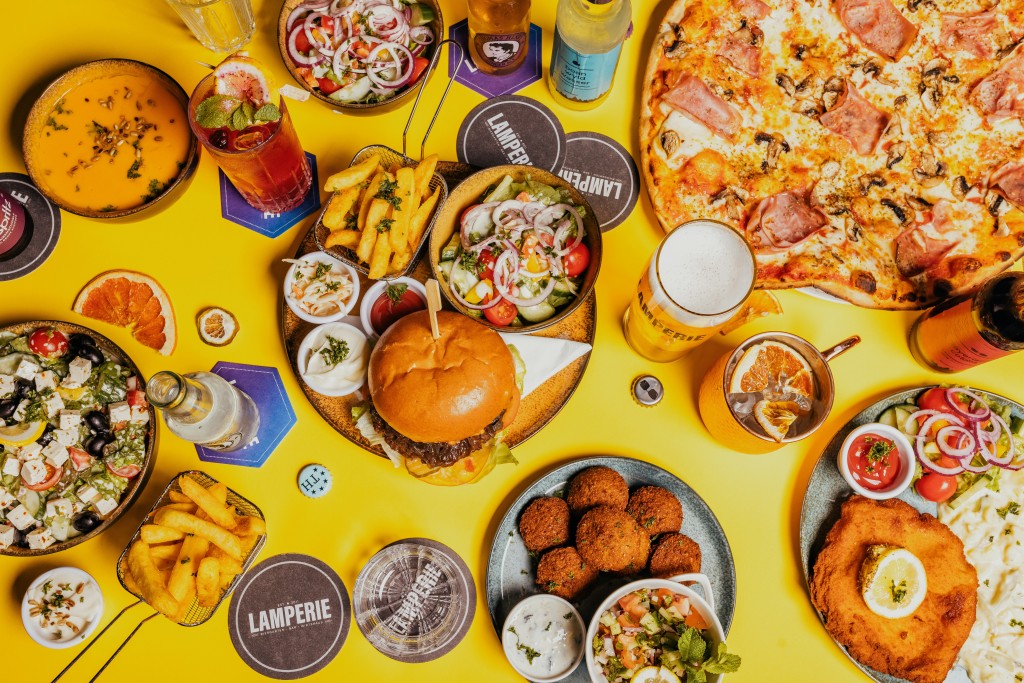
During major holidays like Christmas, New Year's, and Valentine's Day, gatherings, parties, hot pot meals, delivered feasts, and buffets come one after another. For the digestive system, this period is also the busiest peak of the year: irregular meal times, increased alcohol and dessert intake, a higher proportion of greasy foods, coupled with late nights and stress, which can easily trigger indigestion, acid reflux, or even gastroenteritis and food poisoning. Below are some simple and effective strategies to help you significantly reduce the burden on your digestive system without sacrificing the festive atmosphere.
Many people are accustomed to "saving room" to eat, thinking that an empty stomach allows them to enjoy the meal more. The result is eating too quickly and too much at gatherings, suddenly stretching the stomach. If gastric emptying can't keep up, it easily leads to bloating, belching, acid reflux, and upper abdominal discomfort. It's recommended to maintain adequate sleep and water intake the day before and on the day of the gathering, as staying up late can worsen acid-related symptoms, and dehydration can make the intestines more sensitive.
For those with existing acid reflux, gastritis, peptic ulcers, or irritable bowel syndrome (IBS), it's even more important to plan dietary strategies in advance before the holidays. For example, first understand which foods most often trigger your symptoms (such as spicy food, alcohol, coffee, chocolate, soda, overly greasy foods, etc.), and set a principle of "eat only a small amount." If you are currently taking acid-suppressing or gastrointestinal medications, you can also consult your doctor in advance about whether short-term adjustments are needed during the holiday period to avoid on-site discomfort affecting the gathering.
Pay Attention to the Order of Eating During Christmas Feasts to Avoid Stomach Discomfort
The order of eating indeed helps. The key is to follow the principle of "light first, heavy later; eat slowly; eat in stages":
- Upon arrival, you might want to take a few sips of water or clear soup first, giving your stomach time to adjust.
- Then, start with lighter vegetables or appetizers, such as salad, blanched vegetables, or steamed vegetables. This increases satiety and can reduce the desire for high-fat, high-sugar foods later.
- After that, consume protein (fish, chicken, lean meat, tofu).
- Finally, have fried foods, strong-flavored dishes, desserts, and alcohol, and the portions should be small.
The benefit of this order is: start with relatively mild foods to "coat" the stomach, reducing gastric acid irritation and stomach load. It also makes it less likely to consume large amounts of fat and refined sugar at the beginning, which can slow down gastric emptying.
Another key point is eating speed. The body's satiety signals take time to reach the brain. The faster you eat, the easier it is to overeat unconsciously. It's recommended to chew each bite thoroughly and intentionally take a short pause between the main course and dessert, giving your stomach a moment to rest. Additionally, try to avoid having a large meal within 2-3 hours before bedtime, especially for those prone to acid reflux, to better prevent nighttime acid reflux and throat burning.
Which Foods and Drinks Are Prone to Cause Indigestion?
Common "culprits" that trigger indigestion mainly fall into three categories: high-fat foods, strong irritants, and foods that easily produce gas or increase stomach acid. High-fat foods like fried foods, roasted meats, creamy sauces, and cheese platters delay gastric emptying, making bloating and fullness more noticeable. Strongly spicy or heavily seasoned foods, like spicy hot pot, heavy pepper, and strong sauces, can irritate the gastric mucosa, increasing burning and discomfort. Chocolate, mint, coffee, strong tea, soda, and alcohol may increase gastric acid secretion or relax the lower esophageal sphincter, making acid reflux more likely. As for desserts, many holiday sweets are both "high-sugar + high-fat," which, when combined with alcohol, are more likely to trigger acid reflux and nausea.
As for gastroenteritis or food poisoning, high-risk foods are often related to raw food, undercooked food, improper temperature control, and cross-contamination. Common examples include raw oysters, sashimi, raw or cold seafood; undercooked eggs and poultry; salads, cold cuts, cream cakes, and seafood left at room temperature for extended periods during buffets or delivered meals; and during hot pot meals, using the same chopsticks to handle raw meat and then cooked food, or mixing cutting boards and utensils for raw and cooked foods. The most common problems during holiday gatherings are often not the food itself but details of storage and handling: as long as there is a slight oversight in temperature or hygiene, bacteria or viruses can easily multiply, leading to collective "vomiting and diarrhea."
Suggestions for Relieving Bloating and Indigestion
If it's just general fullness, bloating, or acid reflux without severe abdominal pain, high fever, or persistent vomiting, the focus should be on reducing the burden on the stomach. First, stop eating and instead drink warm water in small amounts multiple times. After meals, you can take a light 10-20 minute walk to help with gastric emptying, but avoid strenuous exercise or lying down immediately. For those prone to acid reflux, prop up your pillow or elevate the upper body slightly when sleeping that night. Regarding beverages, avoid alcohol, coffee, strong tea, and soda, as they often exacerbate symptoms.
Regarding medication, if symptoms are mainly acid reflux and chest burning, consider appropriate antacids or alginate-based products under the guidance of a pharmacist. If bloating is the main issue, some people may use anti-bloating medication or specific gastrointestinal drugs for short-term relief. However, pregnant women, the elderly, individuals with chronic illnesses (especially liver or kidney function problems), or those taking multiple medications should not self-medicate long-term. It's best to consult a doctor or pharmacist first to avoid drug interactions or delay in identifying the true cause.
How to Self-Help with Diarrhea, Vomiting, Stomach Pain, or Gastroenteritis
If diarrhea, vomiting, and abdominal pain occur simultaneously, especially within a few hours to a day or two after eating suspicious food, the common causes are viral gastroenteritis or food poisoning. The core of home "first aid" is not stopping diarrhea but rehydration and observation. It is recommended to replenish fluids and electrolytes in small amounts frequently; oral rehydration salts (ORS) are ideal. If vomiting occurs immediately after drinking, take small sips every few minutes, gradually increasing the amount once vomiting decreases. Regarding diet, start with bland, easily digestible foods, such as congee, white rice, bread, bananas, clear soup, steamed fish, or tofu. Avoid dairy products, fried foods, spicy foods, alcohol, and high-sugar drinks, as they may worsen diarrhea or irritate the stomach.
At the same time, pay attention to isolation and hygiene. Norovirus, in particular, is highly contagious. At home, wash hands frequently, avoid sharing towels and utensils, and disinfect frequently touched surfaces to prevent one person getting sick and the whole family becoming infected in turn. Anti-diarrheal medication is not suitable for everyone. If bacterial infection is suspected, or if high fever or bloody stools appear, stopping diarrhea rashly may cause the pathogen to remain in the intestines longer. Seek medical attention promptly.
The following are warning signs that require early medical attention: persistent vomiting preventing fluid intake; severe or progressively worsening abdominal pain; high fever; bloody or black stools; significant dehydration (dry mouth, greatly reduced urine output, dizziness, weakness); pregnant women, young children, the elderly, individuals with weaker immune systems, or those with serious chronic illnesses. These situations may require intravenous fluids, testing, or even evaluation for the need for antibiotics or to rule out other emergencies (such as appendicitis, cholecystitis, etc.).
Key Points for Preventing and Treating Gastroenteritis
The most effective way to prevent gastroenteritis remains "hand hygiene + food safety." Wash hands with soap before and after handling food and after using the toilet; keep raw and cooked foods separate during preparation; use separate utensils for raw meat and cooked food during hot pot meals; ensure eggs, poultry, and seafood are thoroughly cooked; cooked foods should not be left at room temperature for extended periods, especially during delivered meals or buffets—be vigilant if they've been out too long. When dining out, raw or cold seafood is a high-risk choice. Those with sensitive stomachs can still eat elegantly during the holidays without necessarily choosing raw foods.
Regarding treatment, most viral gastroenteritis cases rely on supportive care: rehydration, rest, and a bland diet. If necessary, antiemetics, fever reducers, or gastrointestinal medications may be used to improve symptoms. Antibiotics are not needed for all gastroenteritis cases; they are only considered for specific bacterial infections or in high-risk situations and should be evaluated by a doctor. If symptoms persist for more than a few days, recur frequently, or are accompanied by weight loss, chronic diarrhea, nocturnal diarrhea, anemia, etc., it should not be dismissed as mere "indigestion." Further investigation is needed to find the cause.