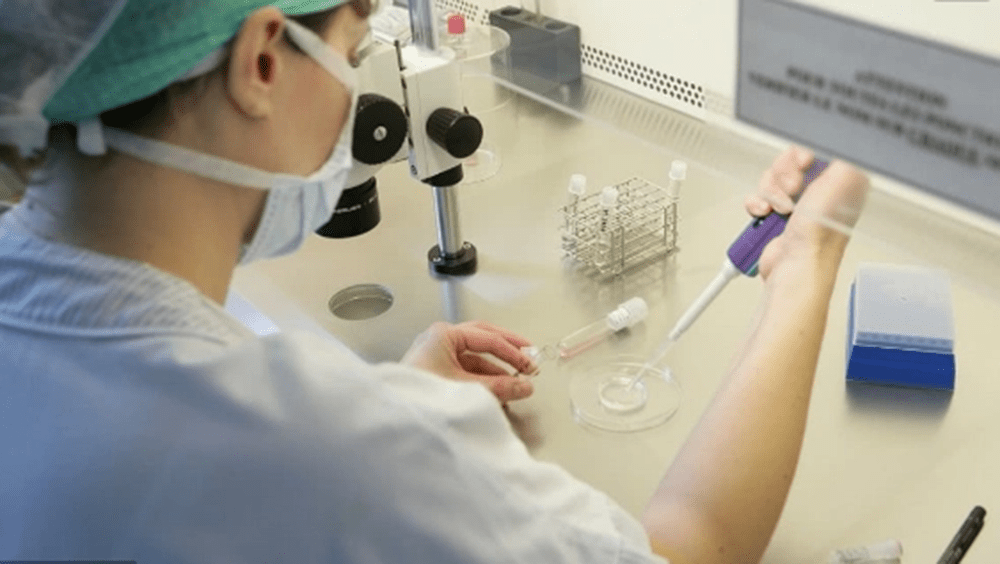
Assisted reproductive technology (ART) has attracted growing public attention in Hong Kong and mainland China, but a recent case in Shanghai involving a woman seeking to destroy frozen embryos created by her husband with another woman has raised fresh questions over the legal and regulatory issues surrounding the technology.
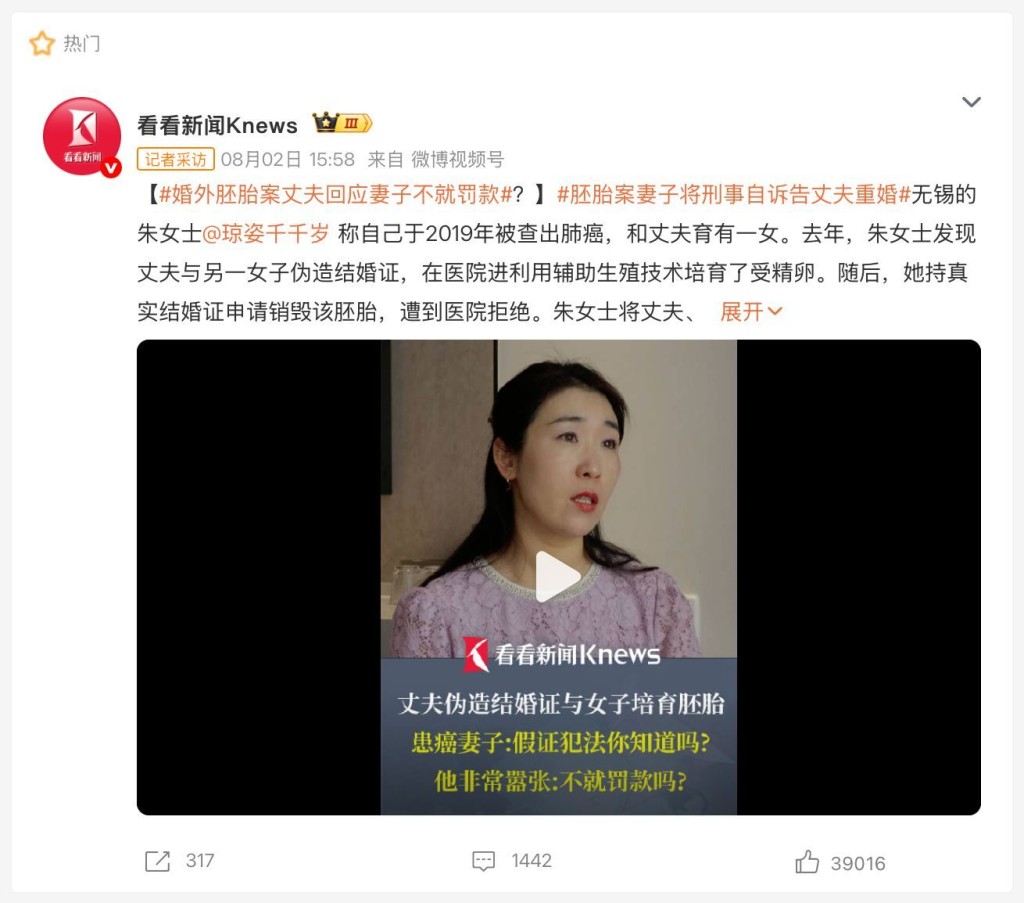
A Chinese woman who survived cancer in Wuxi, Jiangsu province, is fighting legal battles on multiple fronts after discovering that her husband used a forged marriage certificate to create frozen embryos with another woman at a Shanghai hospital, according to mainland media.
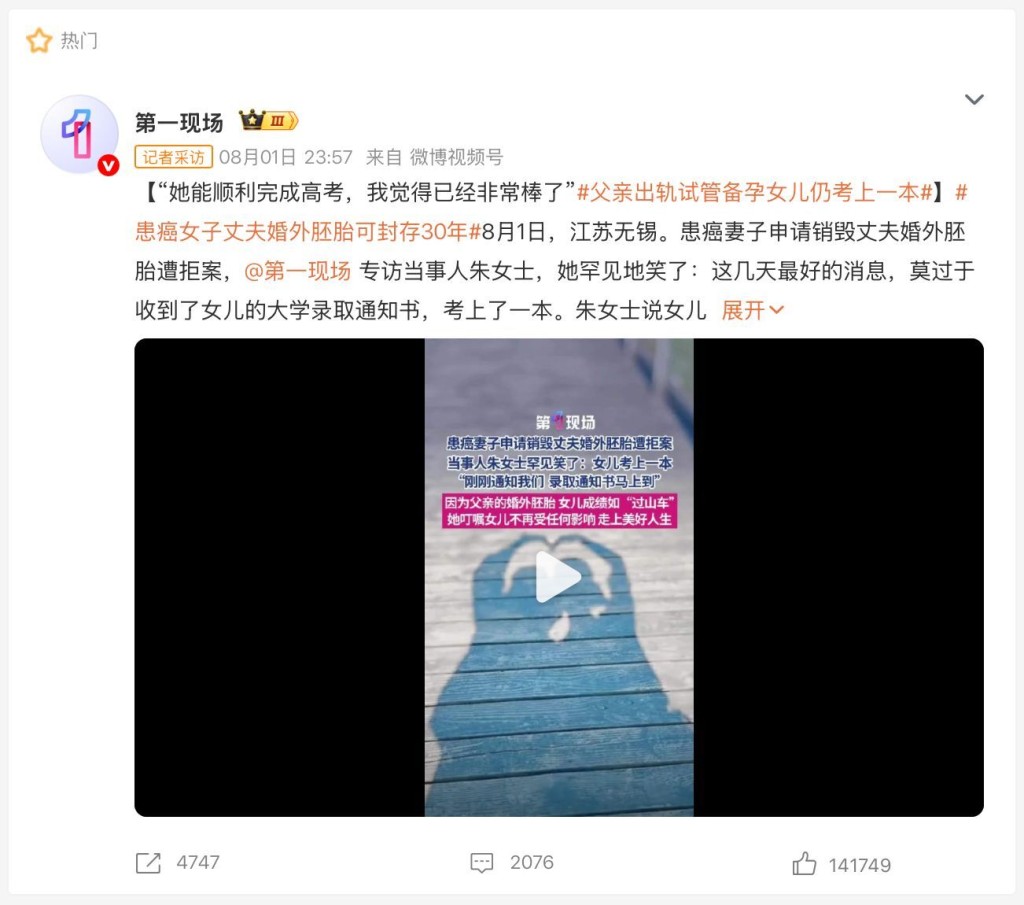
The wife, surnamed Zhu, was diagnosed with lung cancer in 2019 and has undergone multiple surgeries. She and her husband, surnamed Tang, have been married for more than 20 years and have an adult daughter together.
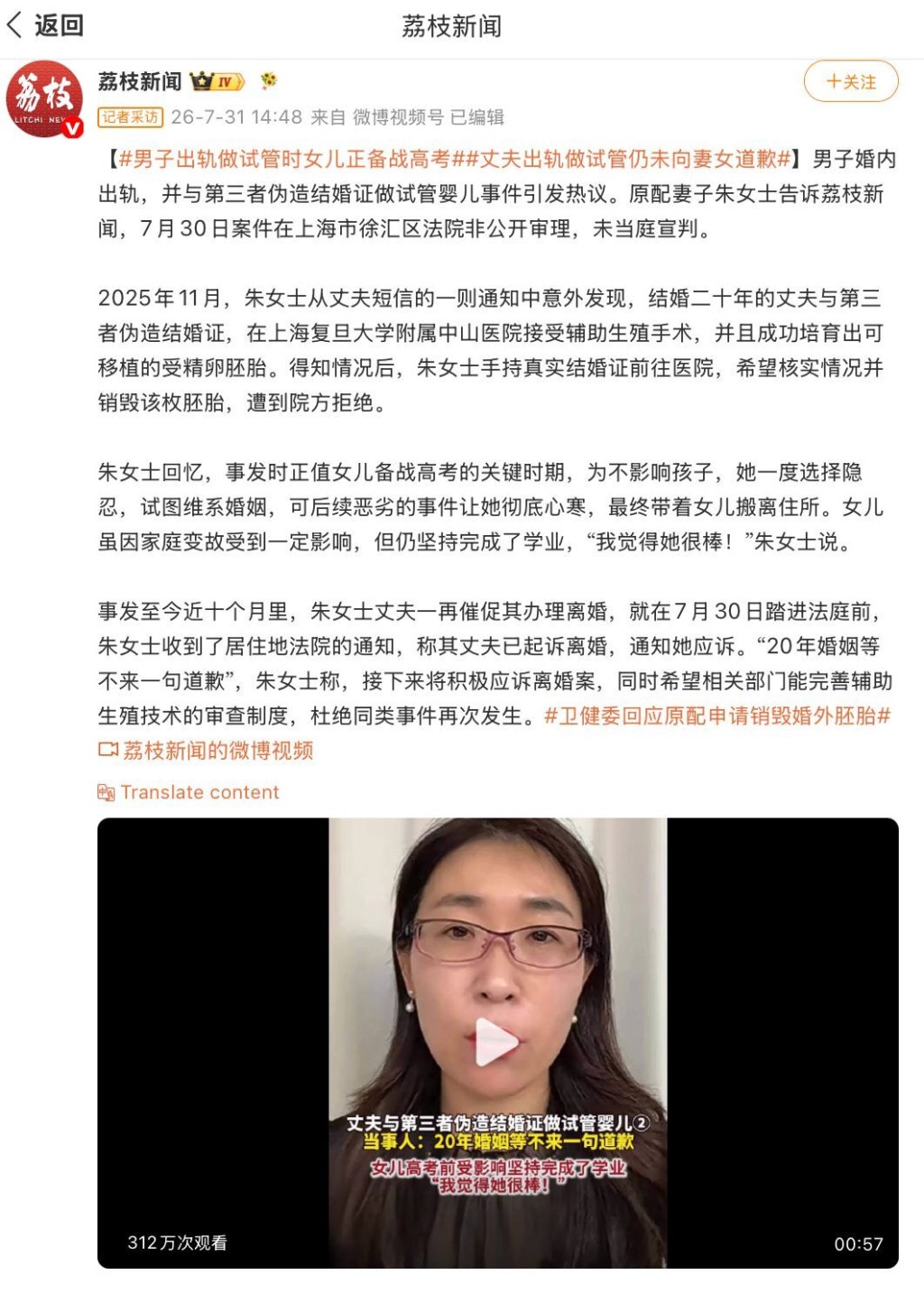
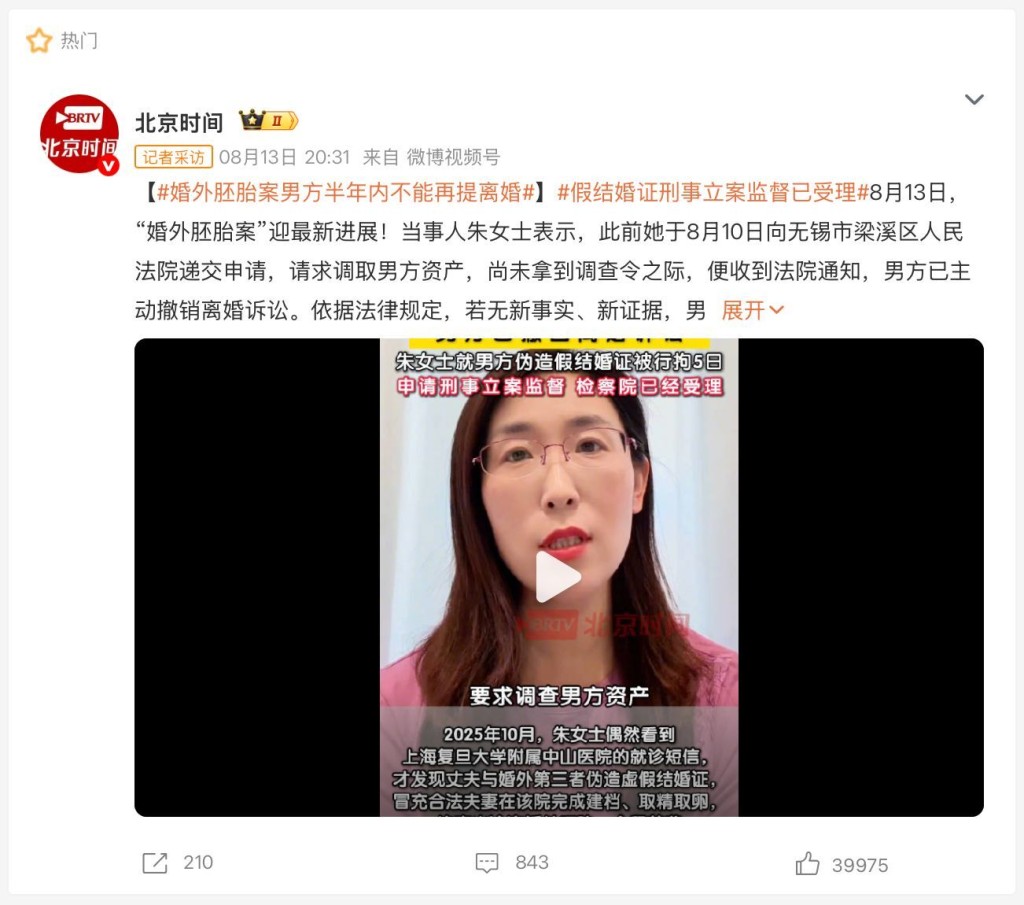
In November 2025, Zhu discovered that Tang was having an affair and had used a forged marriage certificate to undergo IVF treatment with the other woman at Fudan University’s Zhongshan Hospital in Shanghai, resulting in viable embryos that were later frozen.
Zhu then asked the hospital to destroy the embryos that same month, presenting her genuine marriage certificate. She said the hospital refused, citing its inability to determine which marriage certificate was legitimate, and instead agreed only to seal the embryos.
Beginning in March 2026, Zhu reported the case to police, citing allegations of bigamy and forgery of identification documents.
In July 2026, the Shanghai Municipal Health Commission responded to Zhu’s complaint, stating that the hospital had followed protocol in checking the identity documents and marriage certificate presented at the time, and that no evidence of wrongdoing by the hospital had been found.
The commission said it had no authority to order the destruction of the embryos and suggested that Zhu pursue legal remedies.
What Zhu found even more difficult to accept was the hospital’s explanation that if she and Tang divorced, and Tang and the other woman subsequently obtained a genuine marriage certificate, the frozen embryos created through the allegedly unlawful procedures could then be transferred for implantation.
The case has sparked public debate over ART regulations. Some netizens backed Zhu’s call to destroy the embryos, while others argued she had no genetic connection to them and no right to demand their destruction. Some also warned that forged marriage certificates could create loopholes for illegal surrogacy.
On Aug 5, Tang said he had applied to have the embryos destroyed at the hospital, with lawyers representing all three parties present as witnesses.
Zhu said she received no official notification and questioned how the destruction could have been carried out without her presence or judicial certification.
On Aug 11, Zhu filed a separate lawsuit at the Liangxi District People’s Court in Wuxi, Jiangsu province, seeking the return of marital assets that she alleged Tang had given to the other woman during their marriage.
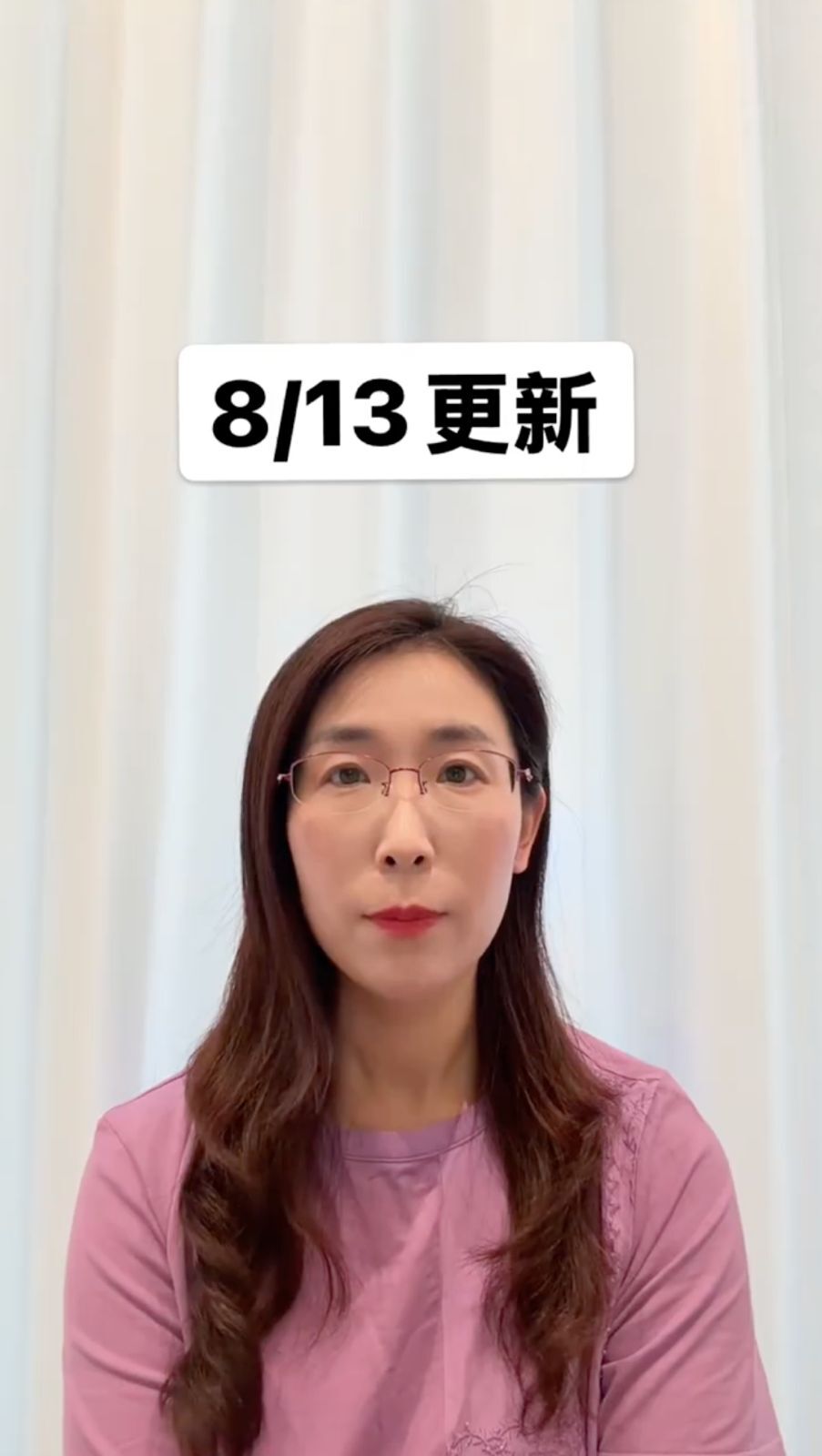
In an interview with mainland media, Zhu said, “These technologies are intended to help legally married couples facing reproductive difficulties.”