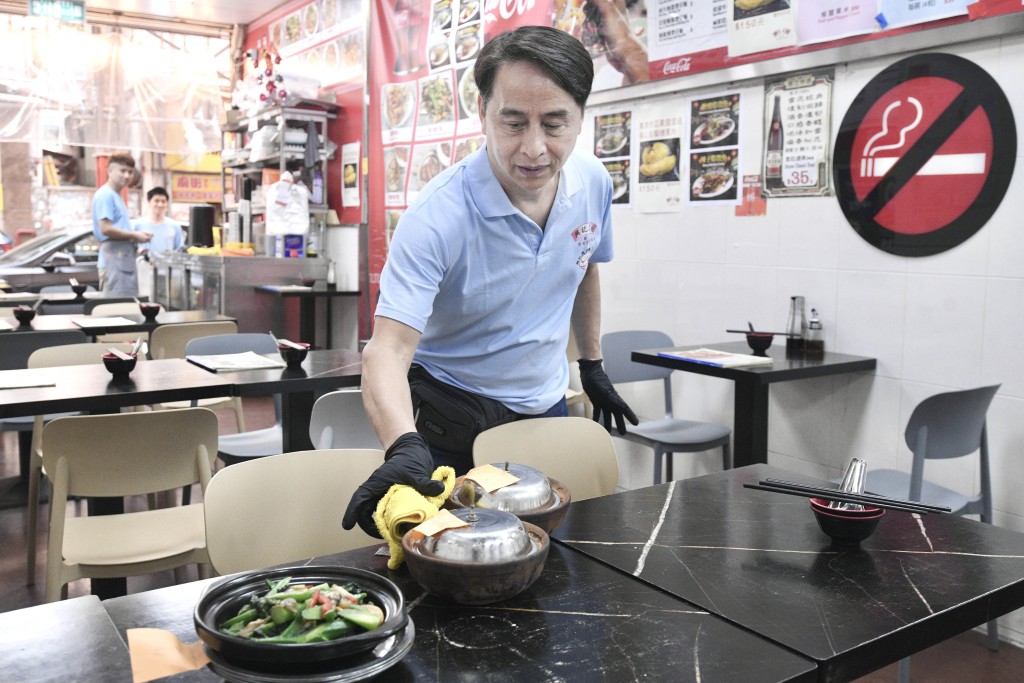
A Temple Street claypot rice restaurant says it has failed to attract local workers even with monthly pay of HK$30,000, forcing it to hire workers from the mainland in what the owner describes as a reluctant but necessary move.
Hing Kee Restaurant, which has operated for 44 years and now has five outlets, sells its cheapest claypot rice for HK$75, up from HK$8.5 when the restaurant was founded.
In an exclusive interview with Sing Tao Headline, a sister publication of The Standard, the owner said no local applicants had shown up for claypot cooking positions, which require workers to endure intense heat and long hours in front of open flames.
In one attempt, he hired three people for the same position, but all three quit within two weeks.
The owner said young people tend to prefer working in Western kitchens or cha chaan tengs, which they consider less demanding.
“Western chefs might just need to prepare sauces and use fresh ingredients, but Chinese chefs are different. They have to chop and marinate, and work in front of the stove for more than 10 hours at a time,” he said.
The restaurant has therefore hired workers from the mainland for core tasks, but the owner stressed that this was not a cost-cutting decision and that imported workers are not significantly cheaper.
He said each imported worker requires a HK$9,600 Employees Retraining Levy over two years, in addition to accommodation costs.
The savings, he said, are minimal compared with hiring local workers, with the difference amounting to only around HK$1,000 to HK$2,000 per worker.
Hing Kee's daily production has already fallen by up to 1,000 pots from a peak of more than 2,000, due to manpower shortages and limited space.
The restaurant's future is also uncertain. The owner's son works abroad, leaving no clear successor, and he said he may close the business in the next few years if no one takes over.
“If you can’t hire people, you can’t keep making clay pot rice,” he said.