Read More





Morning Recap - November 17, 2026
7 hours ago




Mercury to plunge to 15 degrees on Fri as cold front approaches
16-11-2026 13:11 HKT
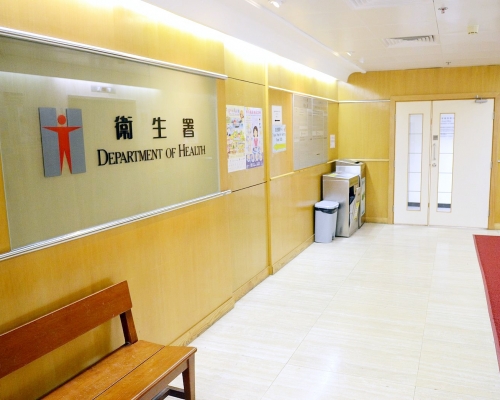
The government plans to provide a tax deduction of up to HK$100,000 per year for expenses on assisted reproductive services, according to a Legislative Council paper submitted by the Health Bureau on Friday.
The policy, however, comes with certain eligibility criteria.
The bureau justified this exclusion by saying that "providing tax benefits to individuals who freeze gametes by choice may lead to delayed childbearing decisions, contrary to the government's goal of encouraging early parenthood."
To claim the tax deduction, couples will need to provide receipts and a standardized certificate signed by an accredited specialist or the person responsible for licensed centers.Licensed centers include local public and private hospitals, while centers outside Hong Kong will not be eligible.
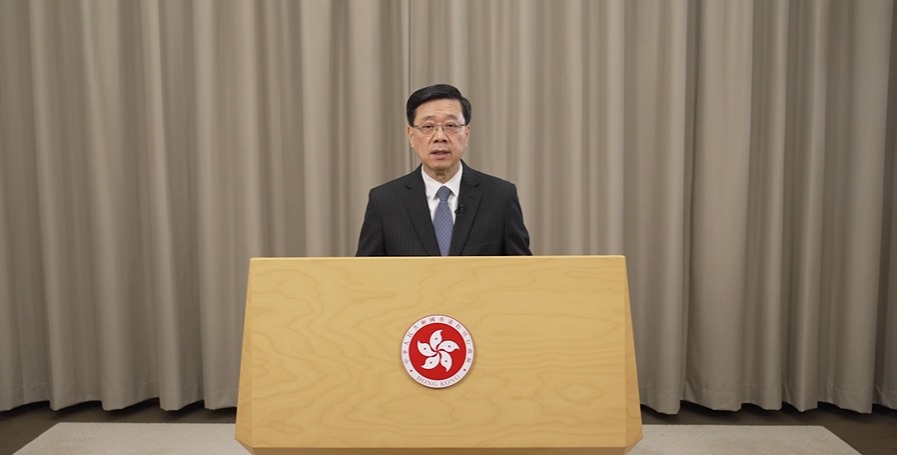
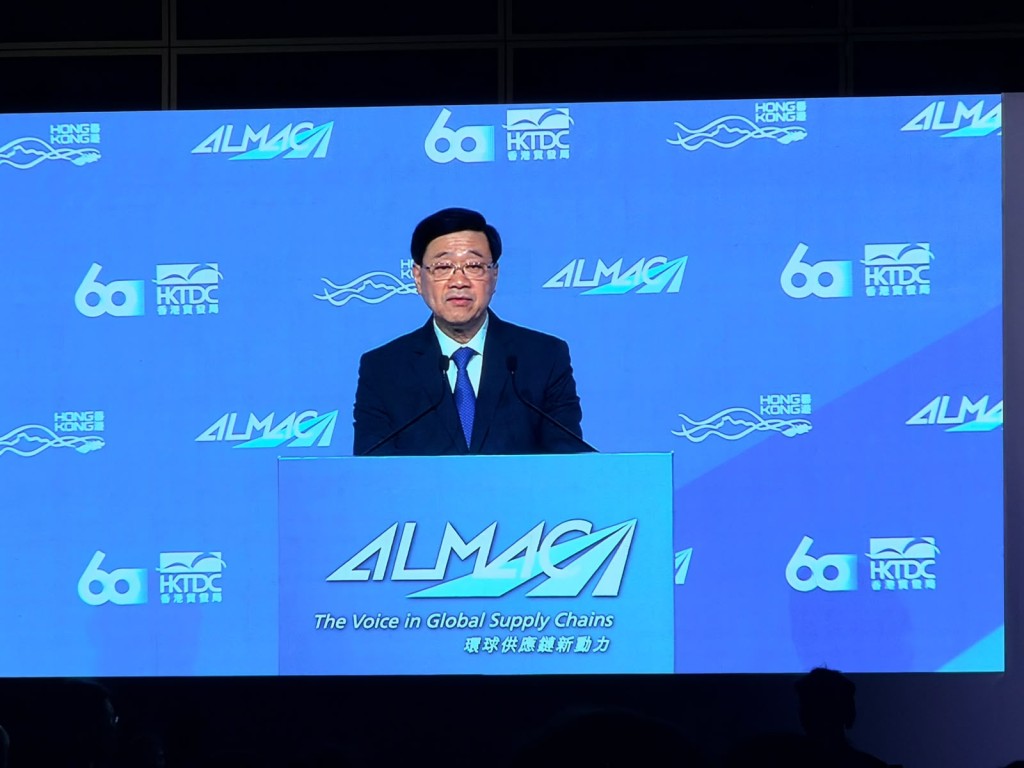
Chief Executive John Lee Ka-chiu initially introduced this proposal in his policy address in October of the previous year.Details of the deduction are expected to be discussed on Friday in a meeting of the Legislative Council's panel on health services.
While the policy has been welcomed by Au Yeung Po-chun, chairwoman of the Women Service Association, she also expressed skepticism about its effectiveness in improving the birth rate."The tax deduction will primarily benefit middle-class families who cannot conceive naturally," Au Yeung said.
She also said that the deduction would help alleviate the financial burden associated with assisted reproductive services.However, she noted that grassroots families might still struggle to afford such services even with the tax deduction.
Au Yeung suggested that subsidies would be more attractive and beneficial to these families.She also said there is a need for multiple measures to create a friendly environment for babies and mothers, adding that Hong Kong's low birth rate requires more than just financial incentives.
Au Yeung proposed use of measures that had proved successful overseas, such as constant subsidies for families with babies, childcare leave, and women-friendly carriages in public transportation.