


Read More





Beyond the boardroom: showcasing Hong Kong’s unique charm to the world
21-10-2026 05:30 HKT





Veteran stock analyst Louie Shum Chun-ying dies at 65, obituary shows
25-10-2026 15:13 HKT
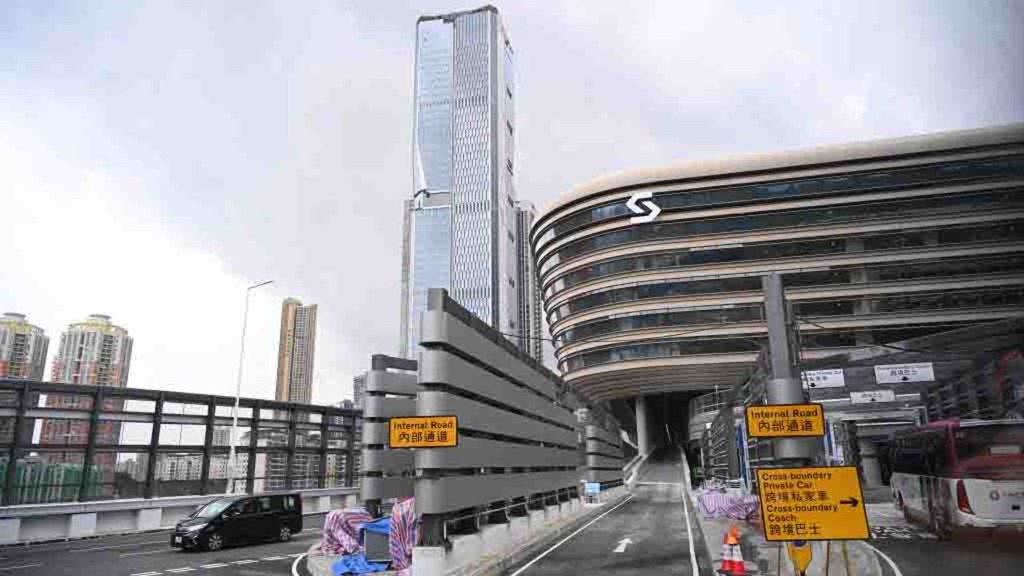
The failure of the iconic HK$20.8 billion 21 Borrett Road deal to proceed further has renewed a question that has been the subject of debate for awhile.
Is the property market in Hong Kong sliding towards a critical juncture despite a brief respite market correction, which may have caught some off guard in light of an economy reopening from the pandemic?
Look at several major developments in recent weeks.
First, the Hong Kong Monetary Authority unexpectedly relaxed the rules for mortgage loans for a few categories of property.
The HKMA said the relaxation would make property more affordable to buyers.
Rather, it would be more accurate to say the mortgage easing would make some properties more accessible, rather than affordable, to purchasers.
Lowering the threshold would not improve affordability - only lowering the price would achieve that.
The HKMA step looks more likely a cautious measure to render support to a weak property sector.
Shortly before the mortgage relaxation, Wheelock Properties landed a bargain deal for a Kennedy Town site for a price below market estimates.
Wheelock's success means the other five contenders - all big players in the SAR - had submitted bids below that of Wheelock when the latter's offer was already roughly 30 percent less than a nearby parcel sold to Grand Harvest (HK) Development last November.
Certainly, the most stunning of all was CK Asset's statement that the Singaporean buyer of its 21 Borrett Road luxury residential project in Mid-Levels had given up its HK$2.1 billion deposit after failing to move forward with another payment of HK$1 billion as agreed.
I wrote in this column last year that, while time would tell, the odds seemed to be in favor of tycoon Li Ka-shing over the Borrett Road bet. It has turned out as predicted.
The failure of the buyer, a fund owned by Sino Suisse Capital, to proceed to the next stage as required under the deal would unlikely have any material impact on CK Asset.
The deal may not be a record but the sum that has been forfeited was colossal - big enough to raise this question: why is a multi-family office reportedly managing US$6 billion worth of assets on behalf of its ultra-high-net-worth clients willing to give up HK$2.1 billion?
First, when its local representative was interviewed by the media last year, she was rather positive about the outlook of Hong Kong, the Greater Bay Area and the mainland as a whole. Therefore, the buyer considered it a safe bet.
So, have it reversed its outlook for the region?
Or, second, could it be due to internal issues that it could not proceed to the next stage?
It would be great if the company could share its thoughts with others even though it is not obliged to explain its commercial decision. This would be much appreciated, however, as the incident was like dropping another "deep-water bomb" in the local property market.
Perhaps Financial Secretary Paul Chan Mo-po is as concerned as home owners since, if the trend persists, he would come under even greater pressure to open up other revenue sources to make up for feared shortfalls from land sales.