Read More






Night Recap - October 14, 2026
8 hours ago

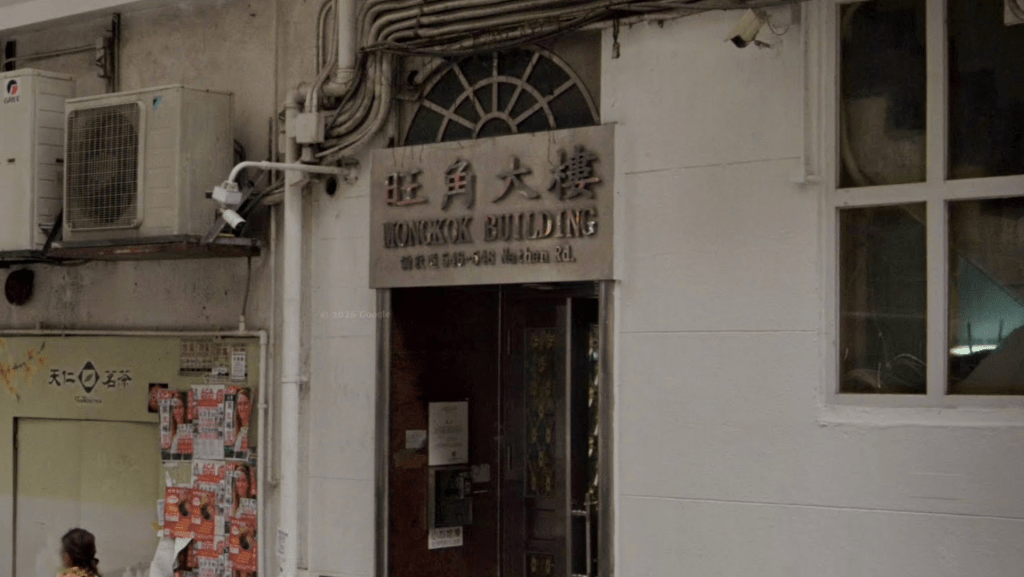
13-year-old girl found dead after hanging in Yau Ma Tei flat
14-10-2026 03:20 HKT
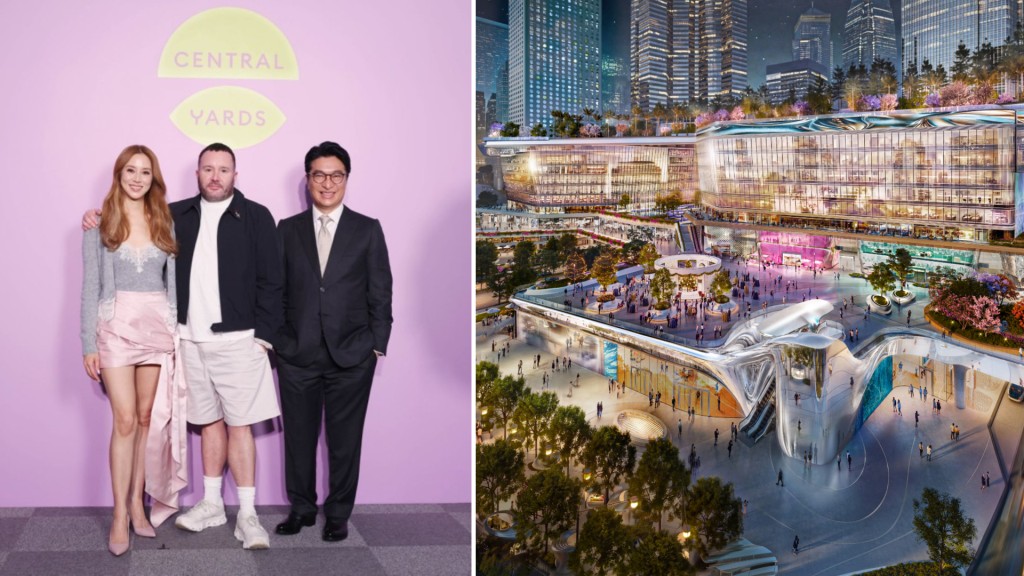
Kim Jones to open first global flagship at Henderson's Central Yards in 2027
13-10-2026 20:13 HKT


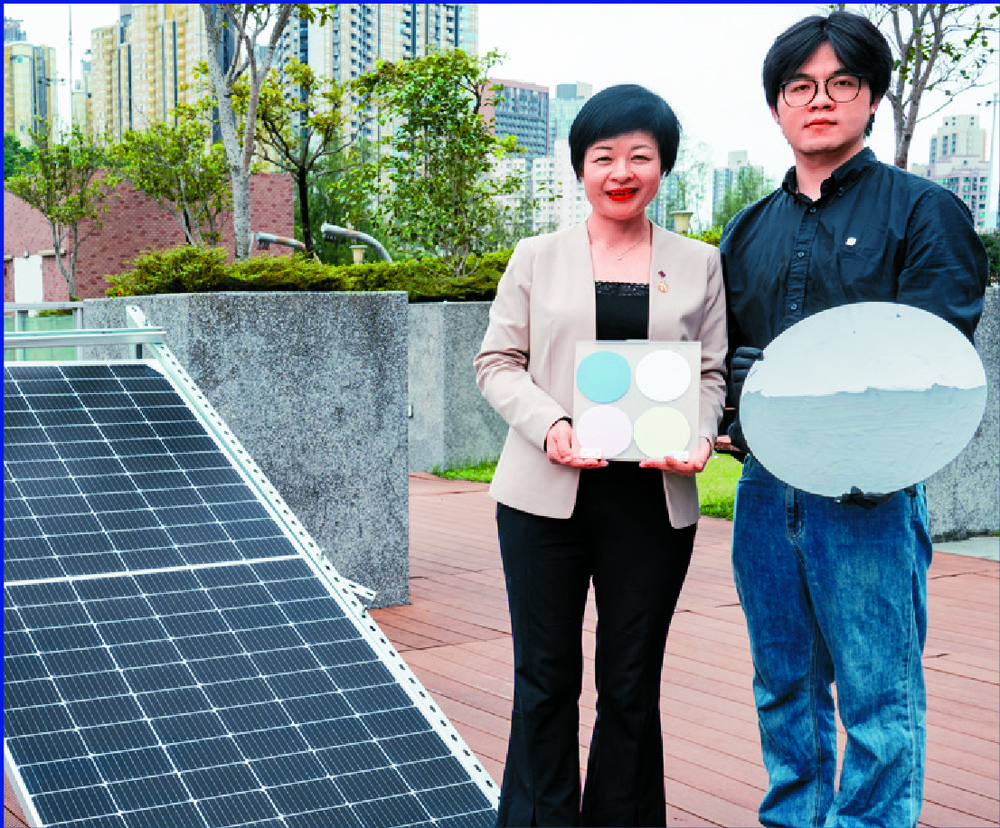
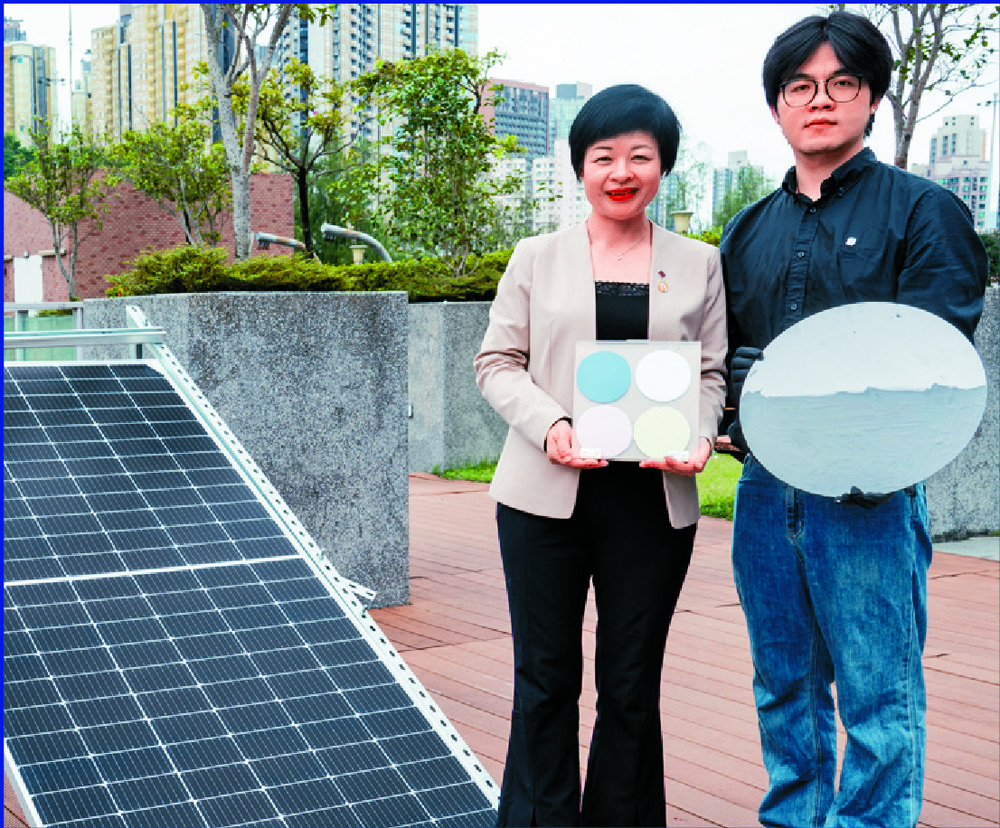
Polytechnic University researchers have unveiled a solar-powered coating that can be applied to buildings to reduce their surface temperature by up to 25 degrees Celsius and lower indoor temperatures by 2 to 3 degrees.
"The coating can save 10 to 15 percent of air-conditioning electricity consumption for each household if it is used on the rooftops of residential buildings," Lu said.
"But the traditional passive radiative cooling is not weather adaptive. That means they have a fixed cooling performance over the years," she said.
"Our coating is solar-driven. The stronger the solar radiance, the better our cooling performance will be."She said the coating proved highly durable, with solar reflectance - the measure of the proportion of light striking a surface that is reflected off it - decreasing by less than 2 percent over a two-year period. Lu added: "Repainting is only necessary every five to 10 years, but it does not mean the coating has failed, just that it may be less effective."
The new coating can be used as widely as ordinary coatings applied to common building materials, including concrete, metal and plastic and it can be made in different colors without sacrificing the cooling effect, she said.Additionally, with the use of bifacial solar panels - which can produce electrical energy when illuminated on either of their surfaces - the sunlight reflected by the coating can be used to generate electricity, increasing the power-generation capacity by up to 50 percent and reducing the carbon emission by 30 percent compared with conventional uncoated rooftops.
Gong Quan, a postdoctoral fellow at the same department, said the coating costs about HK$12 per square meter.But he added: "We believe that with scalability, this price will decrease accordingly."
The team plans to apply the coating to a PolyU student hostel under construction in Kowloon Tong where it will simultaneously complement existing solar panels to increase the power-generation capacity.stacy.shi@singtaonewscorp.com