Read More
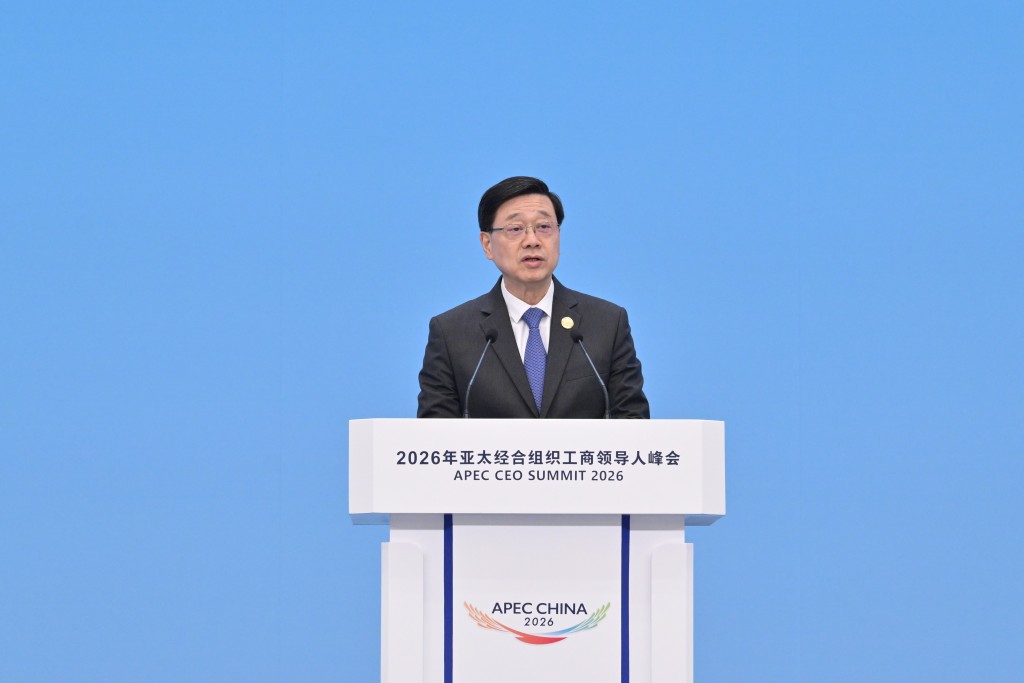
Financial Secretary Paul Chan Mo-po is expected to announce the issuance of retail bonds worth up to HK$70 billion in his budget today, the biggest chunk of which will be silver bonds for the elderly, according to sources.
ADVERTISEMENT
SCROLL TO CONTINUE WITH CONTENT
The rest are green and infrastructure bonds, sources said, adding that the government believes the move could further boost the local bond market, thanks to a warm response from previous issuances.
Market watchers expect the guaranteed rate for the possible new retail bonds to remain above 4 percent despite the expectation of interest rate cuts this year.
This came after the government issued HK$55 billion in silver bonds and HK$20 billion in green bonds last year, surpassing the initial target of HK$50 billion and HK$15 billion, respectively.
In last year's budget, Chan said the government would issue HK$65 billion of green bonds and infrastructure bonds annually for five consecutive years.
The batch of inflation-linked silver bonds launched last August had a minimum rate of 5 percent and saw a record-high number of subscriptions.
The silver bonds were designed for those aged 65 or above, offering low-risk investment options for retirees.
The batch of retail green bonds issued in October, carrying an interest rate of at least 4.75 percent, also received a positive response as it was two times oversubscribed.
Such a batch of retail green bonds closed at HK$102.95 yesterday, compared to the offer price of HK$100.
Earlier this year, the Airport Authority rolled out a HK$5 billion sale in retail bonds, which carries a fixed rate of 4.25 percent. It posted an oversubscription of 2.1 times.
Back then Chan said the AA bonds would be a good reference for financing other planned large projects. The AA bonds closed flat at HK$101.9 yesterday.
The minimum rate for the possible new retail bond is likely to be at least 4 percent, otherwise investors will not be interested as many local lenders offer up to 3.8 percent for a 12-month Hong Kong dollar time deposit at a minimum deposit amount of HK$10,000, according to Francis Kwok Sze-chi, vice chairman of the Hong Kong Institute of Financial Analysts and Professional Commentators.
Kwok suggests investors allocate more to bond investing this year, which is considered more stable, due to the uncertainty in the local stock market despite a recent modest recovery.
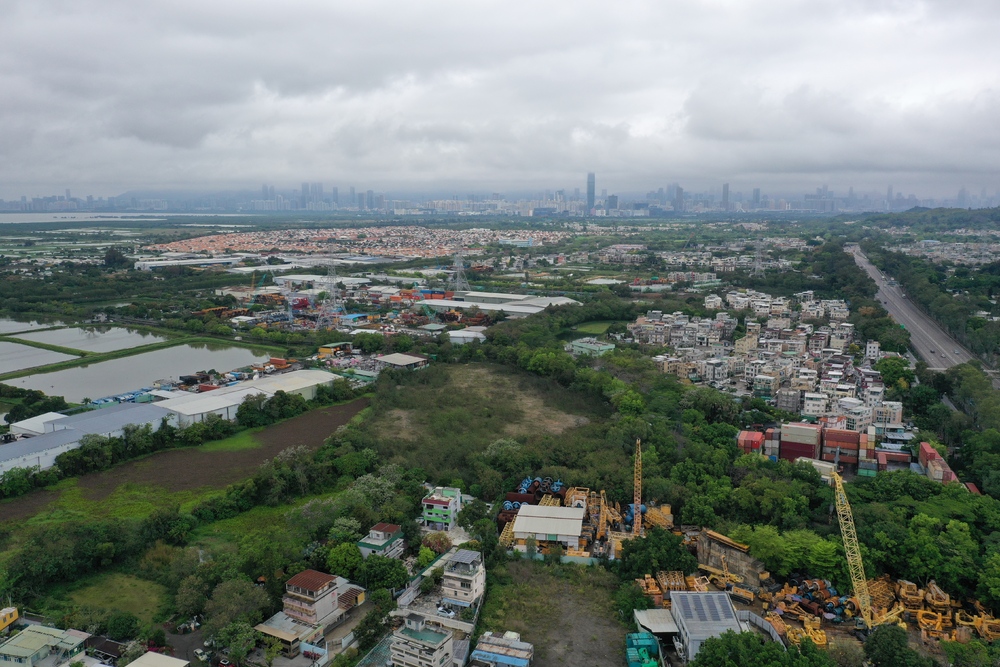
Billy Mak Sui-choi, an associate professor in the department of accountancy, economics and finance at Baptist University, said the possible issuance of infrastructure bonds may be to test the waters for the large-scale projects in Lantau Island and the Northern Metropolis.
The proportion of the government's debt to gross domestic product remained at a low level and so there is room for issuing more bonds to enrich the source of government revenue, Mak said.
The government total debt stood at US$196 billion (HK$1.53 trillion), or HK$207,589 per person, with a debt-to-GDP ratio of 54 percent in 2022, according to asset manager Janus Henderson.
That compared with 148 percent in Singapore.
However, rather than using bond proceeds for current spending, Singapore makes investments instead, and so the debt may be smaller than the number suggests.
caroline.zheng@singtaonewscorp.com
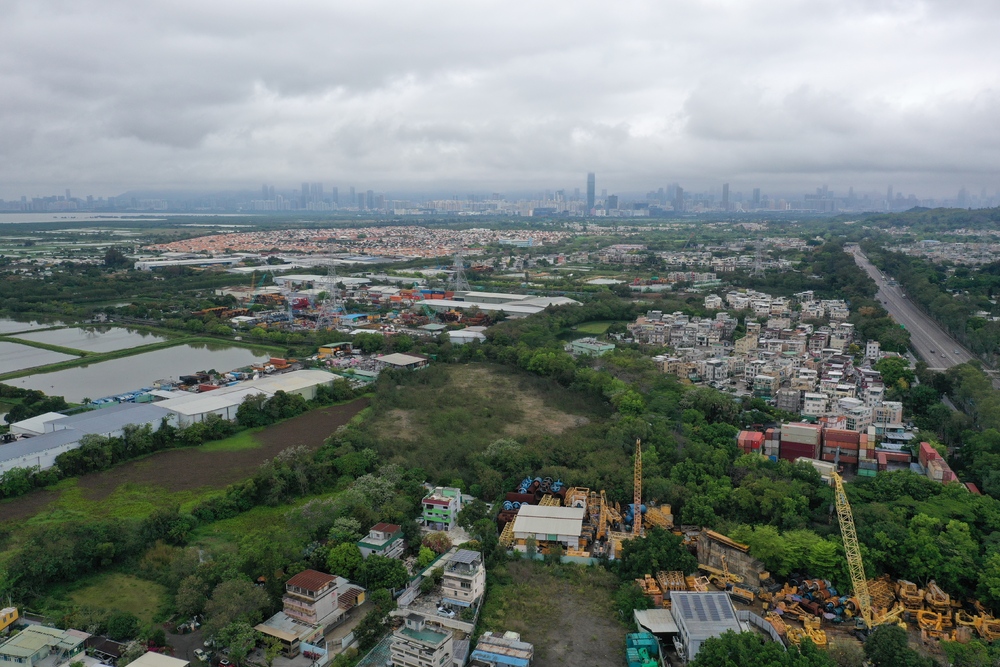
The potential issuance of infrastructure bonds may be to test the waters for large-scale projects such as Northern Metropolis.
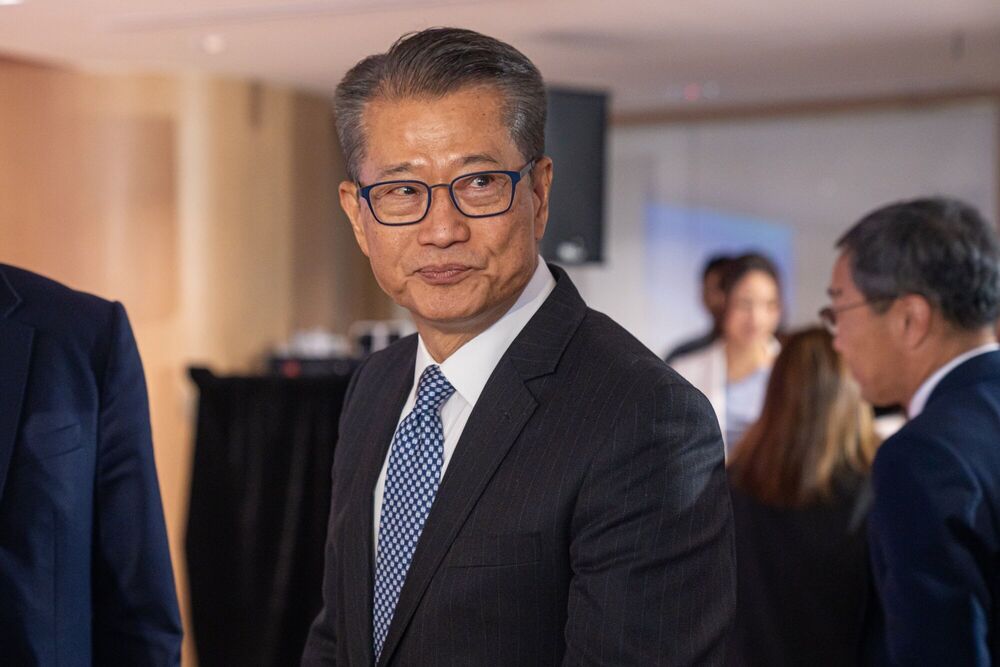
Paul Chan