
Read More
A Hong Kong think tank has urged the city to move beyond traditional cargo handling and strengthen its role as a hub for high-value maritime and professional services, while promoting closer integration between finance and shipping.
ADVERTISEMENT
SCROLL TO CONTINUE WITH CONTENT
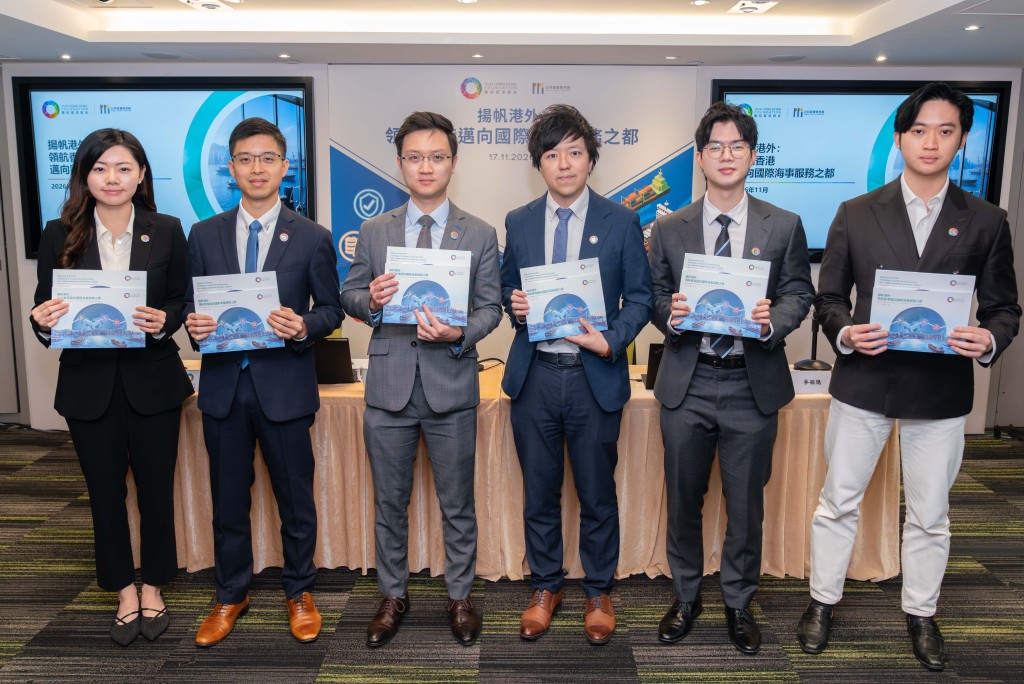
Our Hong Kong Foundation on Tuesday released a policy research report titled “Beyond the Port: Charting a Course for Hong Kong as a Global Maritime Services Capital,” outlining 10 recommendations across four areas: commodity trading, marine insurance, ship leasing and maritime arbitration.
The report said containerized cargo accounts for only about 15 percent of global maritime trade by tonnage, with the remaining 85 percent consisting mainly of bulk cargo and commodities.
It also estimated that maritime and professional services contribute four times as much to Hong Kong’s economy as port-related industries.
The foundation described commodity trading as the “commercial anchor” of the maritime services ecosystem because it generates demand for related financing, insurance and legal services.
However, Hong Kong has only about 40 commodity traders, compared with more than 400 in Singapore and over 900 in European centers such as Switzerland, according to the report.
It said Hong Kong’s existing half-rate tax concession can be difficult for emerging traders to access. The scheme offers a tax rate of 8.25 percent but requires companies to meet an annual revenue threshold of HK$700 million.
Traders below that threshold are subject to the standard 16.5 percent profits tax rate, which the report noted is higher than the 15 percent rate faced by large companies subject to the global minimum tax.
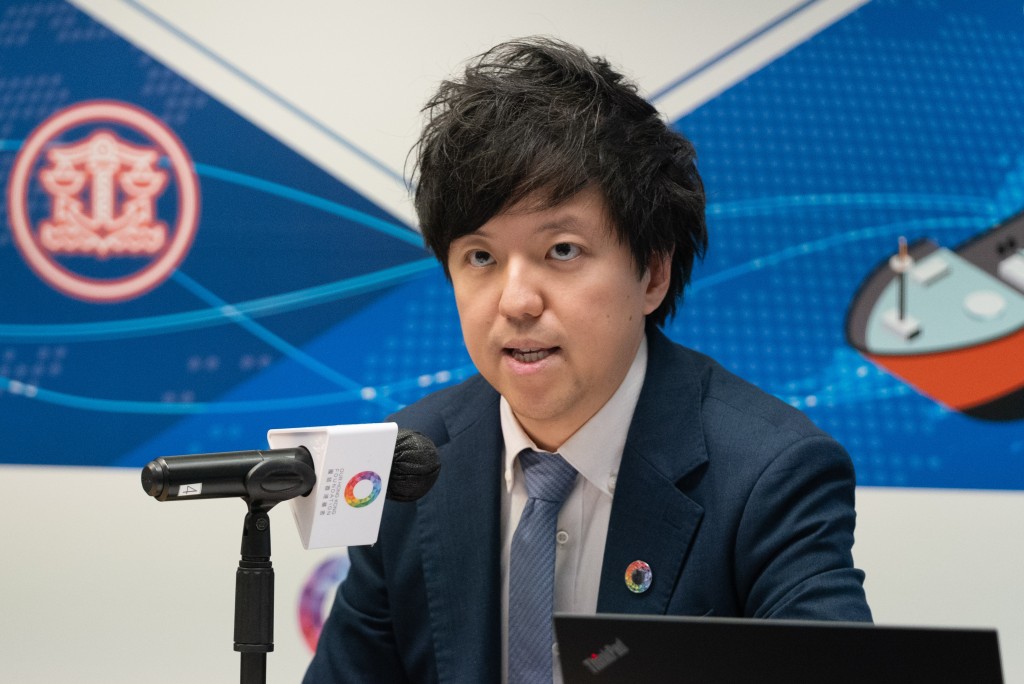
Kenny Shui, vice-president of Our Hong Kong Foundation and executive director of its Public Policy Institute, said the report aimed to translate Hong Kong’s strategic plans into practical policy proposals.
To attract emerging businesses, the foundation proposed a two-tier tax system under which high-potential traders below the revenue threshold could enjoy the half-rate concession for five years. Once they reach the HK$700 million threshold, they could transition to the existing scheme.
On marine insurance, the report recommended strengthening Hong Kong’s primary underwriting capacity by attracting key industry players and offering tax incentives.
It also proposed supporting the sustainability of the shipping war-risk pool by allowing members to cede reinsurance to their parent companies and by providing government guarantees for a fixed portion of the pool.
For ship leasing, the foundation called for capital allowances to be extended to all financial institutions investing in the sector through equity, with stronger incentives for green vessels.
It also recommended diversifying financing channels and improving double taxation agreements to reinforce Hong Kong’s position as an international ship-leasing hub.
In maritime arbitration, the report proposed lobbying for Hong Kong to be designated as an arbitration venue in international standard contracts.
It also recommended that the city take the lead in developing model contracts for emerging areas such as green fuels, while gradually publishing anonymized collections of arbitration cases to improve transparency and build market confidence.
Kenny Shui, vice-president of Our Hong Kong Foundation and executive director of its Public Policy Institute, said the report aimed to translate Hong Kong’s strategic plans into practical policy proposals.
He said the recommendations were intended to help the city make better use of its strengths in high-value maritime and professional services and further reinforce its position as an international shipping center.