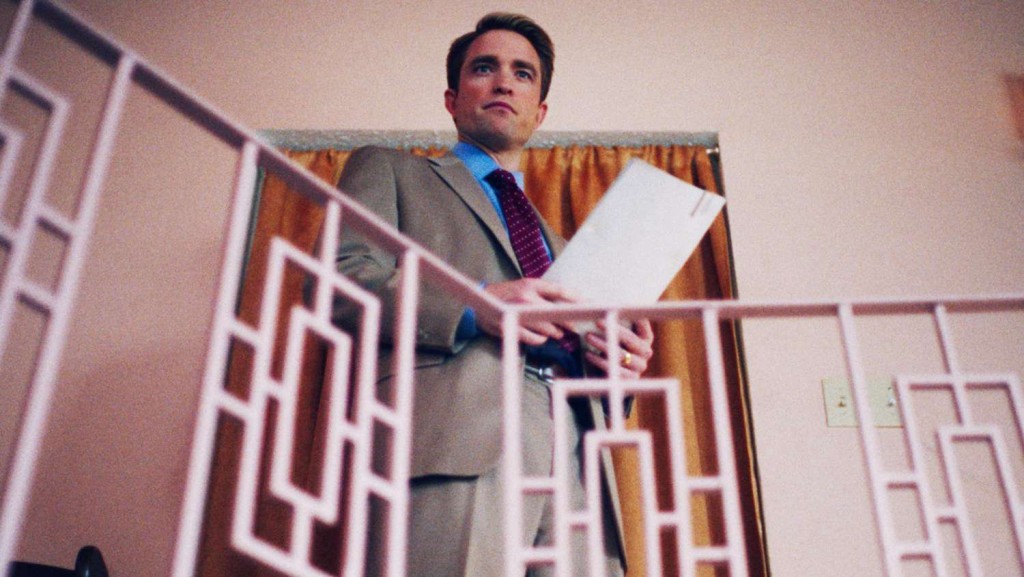
Robert Pattinson stars as television host Chris Hansen. (Movie still/A24)
There is something inherently uncomfortable about watching a trap close in real time. In Primetime, that unease becomes the starting point for a psychological thriller about journalism, ratings and the point at which public accountability begins to look like entertainment.
ADVERTISEMENT
SCROLL TO CONTINUE WITH CONTENT
Opening in Hong Kong on October 8, the A24 film stars Robert Pattinson as television host Chris Hansen during the rise of To Catch a Predator, the controversial Dateline NBC series that became a fixture of American television in the mid-2000s.
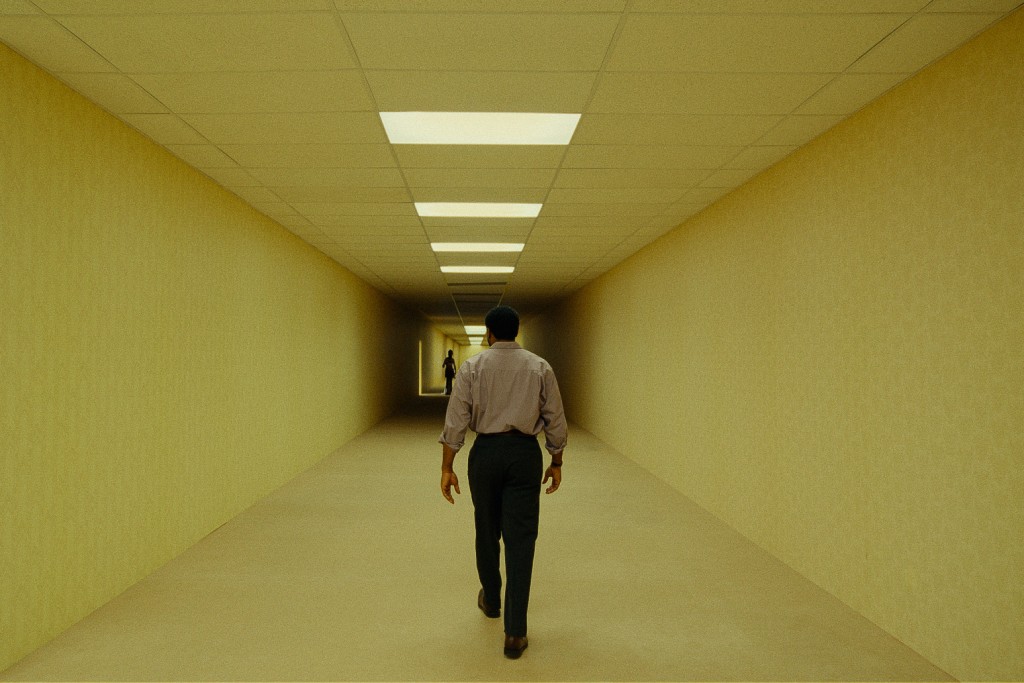
Rather than treating the story simply as a procedural about catching suspected child predators, Primetime turns its attention to the machinery behind the television phenomenon — the cameras, producers, staged encounters and growing pressure to deliver something more shocking each time.
Set in 2006, the film follows Hansen and his production team as they develop a format built around undercover online conversations. Adults posing as teenagers enter chat rooms and engage with suspected predators, who are then invited to a suburban house fitted with hidden cameras.
Hansen confronts the suspected predators in front of a television crew at a suburban house fitted with hidden cameras, with law enforcement waiting nearby. (Movie still/A24)
The Dateline NBC series To Catch a Predator sees adults posing as teenagers enter chat rooms and engage with suspected predators. (Movie still/A24)
When they arrive, Hansen confronts them in front of a television crew, with law enforcement waiting nearby.
It was a formula that made for compelling television, but also raised difficult questions about journalism, policing and the ethics of turning real-life allegations into prime-time spectacle.
Those questions sit at the center of director Lance Oppenheim’s first narrative feature. Best known for documentaries including Some Kind of Heaven and Spermworld, Oppenheim has built much of his work around observing unusual corners of American life and the people inhabiting them.
For Primetime, he applies that documentary sensibility to a dramatized version of a media phenomenon that blurred the boundaries between reporting and reality television.
The real tension in Primetime comes not from whether the targets will walk through the door, but from what happens to the people running the operation.
As ratings climb and the show becomes a cultural phenomenon, the pursuit of exposure, fame and a sense of justice begins to reshape the newsroom itself. The closer the team gets to perfecting its television formula, the less clear it becomes whether they are documenting events or helping create them.
That moral ambiguity gives the film a sharper edge than the familiar true-crime setup might suggest. What begins as an experiment in investigative television gradually becomes an examination of how easily public outrage can be packaged, repeated and sold.
The real To Catch a Predator aired as part of Dateline NBC from 2004 to 2007 and became one of the era’s most recognizable — and controversial — forms of television journalism. Its sting operations continued to attract scrutiny long after the program ended, particularly over the relationship between television production and law enforcement.
Primetime made its world premiere in competition at the 83rd Venice International Film Festival on September 5, where it screened in the festival’s main Venezia 83 section. The premiere received a standing ovation lasting more than seven minutes.
The film ultimately left Venice without one of the festival’s main prizes, but its place in the competition offered an early indication that Oppenheim was approaching the material as more than a conventional true-crime adaptation.
For audiences familiar with the original program, Primetime offers a chance to revisit a strange moment in television history from behind the camera. For everyone else, it poses a question that feels even more relevant in an age of viral clips and instant judgment: when justice is designed to be watched, who is really controlling the story?
Primetime opens in Hong Kong cinemas on October 8.