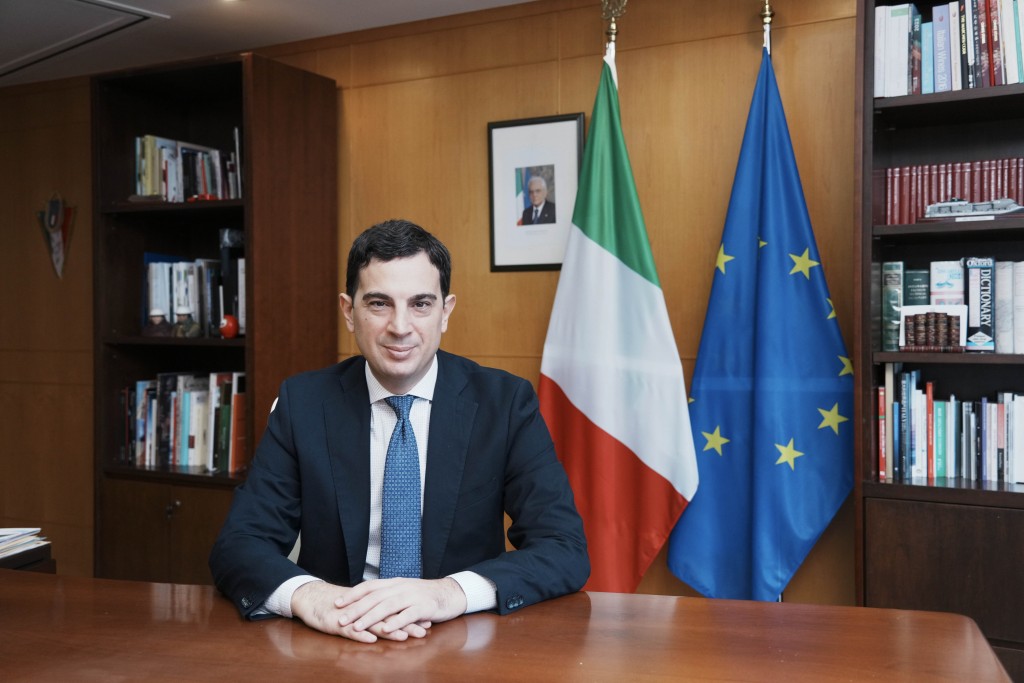
Hong Kong and Italy should build stronger ties by focusing on what they have in common rather than their cultural differences, Italy's Consul General to Hong Kong and Macao Francesco Paolo Cannito said.
Having taken up his post on October 19, the newly appointed Italian Consul General said Hong Kong's vibrant and energetic atmosphere had reminded him of his roots in southern Italy.
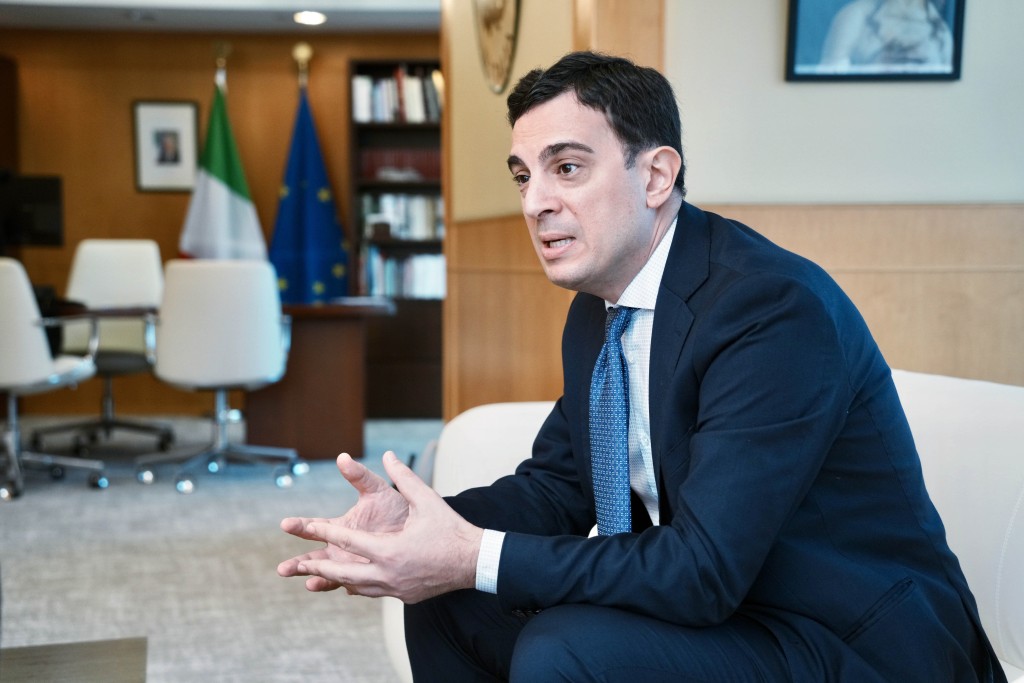
"Sometimes we try to compare places and territories and cities by looking and focusing more on the differences. I think we should focus more on commonalities," he said.
He added that people in both places shared a spirit of progress and modernity, as well as a desire to create things that bring people together.
This approach is reflected in ABITO/HK, a special pavilion making its Hong Kong debut at DesignInspire 2026. Produced and promoted by Italy's Ministry of Foreign Affairs and International Cooperation, the pavilion is presented in collaboration with Salone del Mobile.Milano and the Consulate General of Italy in Hong Kong and Macao, and curated by design studio Palomba Serafini Associati.
Juxtaposing iconic furniture and design pieces from Italy and Hong Kong, the pavilion uses a timeline-based narrative to trace the evolution of lifestyles, living spaces and aesthetic values in both places.
The Italian word "abito" means both "garment" and "I inhabit," reflecting the pavilion's link between fashion and living spaces. Cannito said ABITO connects Italian fashion with Hong Kong's interest in fashion and its distinctive relationship with space.
He stressed that the pavilion was not a one-off collaboration but part of a longstanding exchange between Hong Kong and Italy. He cited Hong Kong's participation in the 2025 Venice Architecture Biennale, where an installation drawing on the city's bamboo scaffolding techniques showcased the local construction practice to Italian audiences.
He also pointed to buildings on Hong Kong Island designed by Italian architects, saying they combined elements reminiscent of Italy with a distinctly Hong Kong touch.
Cannito said cultural exchange should involve embracing what he described as "contamination" in a positive sense, with different cultures coming together rather than remaining separate. He cited Art Basel and Italy's role as partner country at DesignInspire 2025 as other examples of platforms that bring people together.
He said design was one of the pillars of Italy's cultural diplomacy, helping promote the country internationally while connecting different cultures and experiences.
"Important design events are part of projecting Italy beyond its borders. At the same time, culture brings people together and connects different styles and cultural experiences," he said.
Italy also hopes to show Hong Kong how its architects and design businesses are embracing new materials, research and creativity while building on the country's long design heritage, he added.
A 1967 dress by Laura Aponte is displayed alongside Gaetano Pesce’s iconic UP chair, designed for B&B Italia in 1969, among the pieces featured in ABITO/HK.
Deepening ties across multiple sectors
Cannito hopes to broaden cooperation with the city beyond traditional areas such as fashion, food, wine and culture, identifying finance, shipping and infrastructure as sectors with potential for closer ties.
"We want to broaden our focus to other sectors," Cannito said, adding that there were opportunities to expand collaboration in areas such as finance, shipping and infrastructure.
He said there was still much work to be done to strengthen relations between the two places, despite the efforts of his predecessor, and that he had arrived with enthusiasm and believed more could be achieved.
He added that Italy would continue working on existing partnerships while exploring new sectors and opportunities for cooperation.
Cannito said he wanted to first meet people and gain a better understanding of Hong Kong, its culture and future direction before setting specific goals for his tenure.
In the design sector, he also saw room for Italian furniture and design products to reach a wider audience in Hong Kong.
While major Italian brands already have flagship stores in the city, Cannito said there was more that could be done to bring Italian design to a wider market.
He also hopes to introduce more emerging Italian brands and smaller labels to Hong Kong, beyond established international names.
He said established brands played an important role in setting trends and conducting research, but emerging designers and smaller labels also deserved greater recognition and opportunities to enter the Hong Kong market.
This would benefit both the brands and local consumers, who would have the chance to discover new products and talent.
To strengthen these connections, the consulate plans to organise smaller events more frequently throughout the year, rather than relying solely on major occasions such as DesignInspire and Art Basel.
Cannito said the aim was to maintain engagement and keep conversations about Italian and Hong Kong design, as well as their wider connections, going throughout the year.
According to Cannito, ABITO brings together design, fashion and culture, reflecting the Italian Consulate's role in promoting Italy through cultural diplomacy.