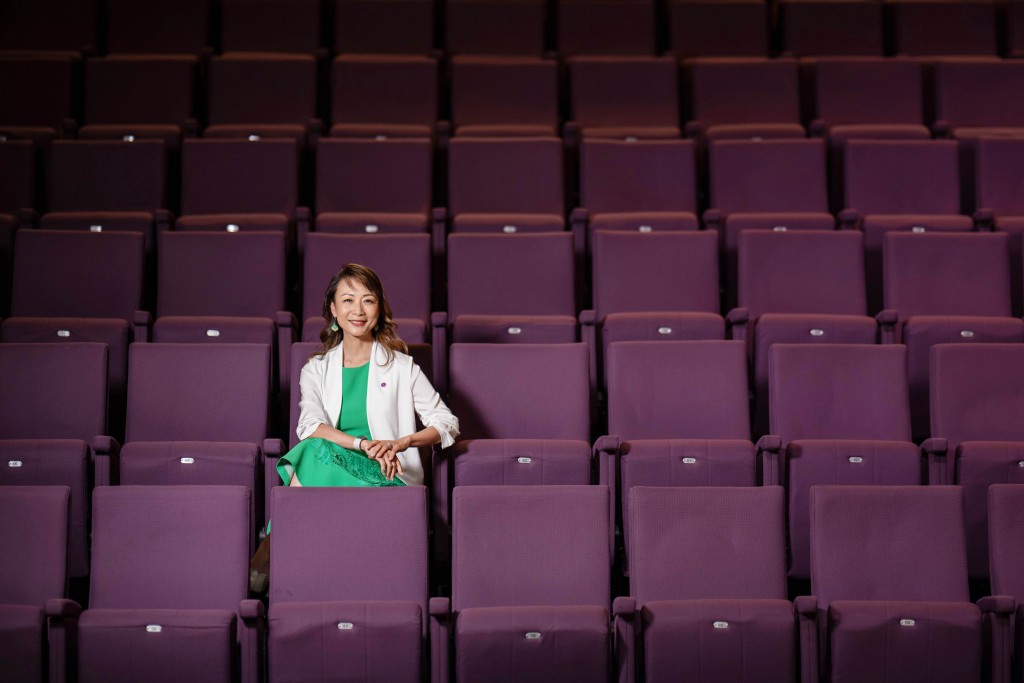
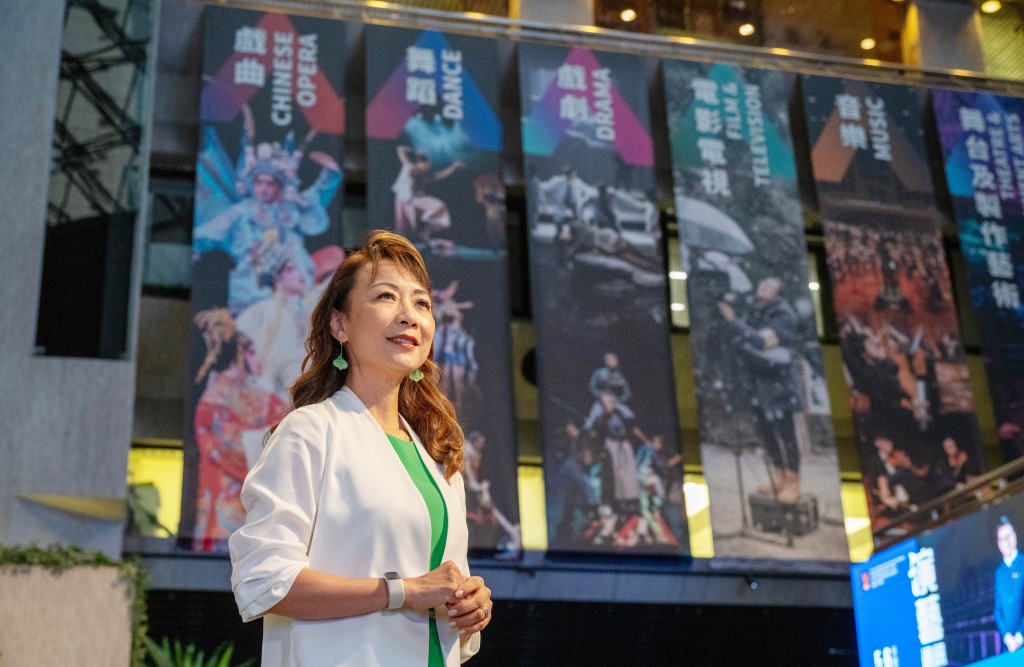
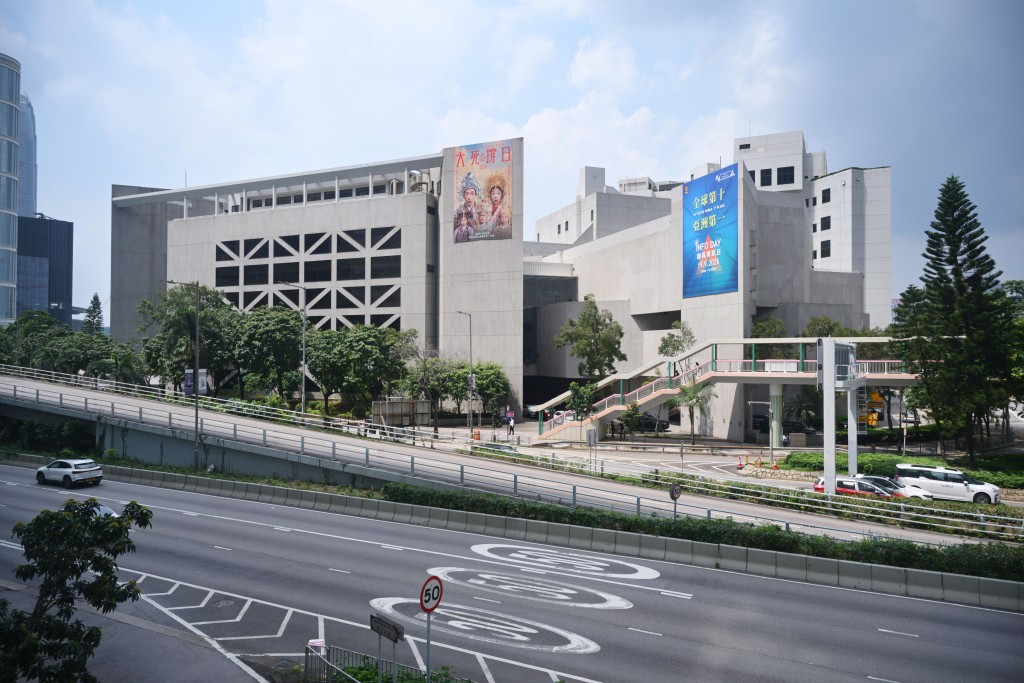
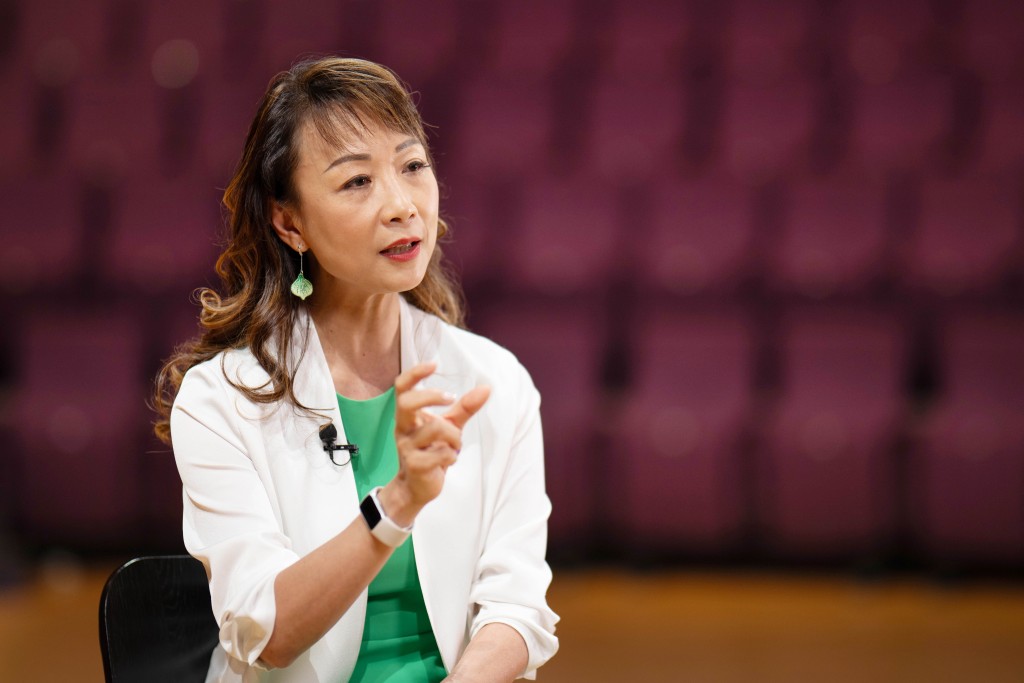
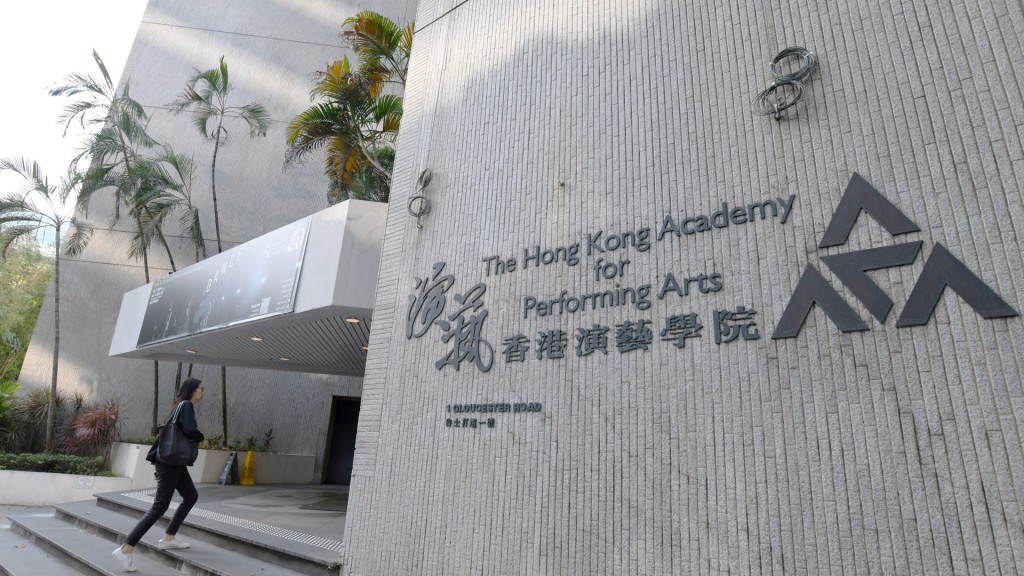
The Hong Kong Academy for Performing Arts is entering a new phase, with director professor Anna CY Chan seeking to connect education, industry and research as Hong Kong expands its cultural ambitions.
HKAPA ranks 10th globally and first in Asia for Performing Arts in the 2026 QS World University Rankings. Chan said its standing reflects distinctive training and alumni who have built careers internationally.
Technology is becoming another part of that education. HKAPA has incorporated artificial intelligence into its curriculum, with Chan viewing it as a tool to stimulate ideas and enhance training rather than replace artistic judgment.
Chan wants HKAPA graduates to understand their individuality, creative value and potential — and ultimately see themselves as their own IP.
In August, the academy signed agreements with digital tech hub Cyberport and tech firms BytePlus and Ultra Instinct, covering art tech, AI filmmaking and industry collaboration. The partnerships will support the HKAPA Creative Futures & Innovation Centre, due to launch in early 2027.
Chan described the center not as a physical facility but as an “engine” linking the academy’s six schools with research and industry. Its model moves from incubation to innovation and then industrialization, helping ideas grow into productions, products or cultural intellectual property.
HKAPA said a planned second campus in the Northern Metropolis will focus on incubation, content development and innovation.
The same thinking is shaping HKAPA’s physical expansion. The government has reserved land in the Northern Metropolis for a second campus. Chan said the site is expected to be handed over around 2030, with teaching facilities, accommodation and a concert hall planned.
She estimates construction could cost more than HK$10 billion. With institutions entering the university town expected to fund their own development, HKAPA is exploring fundraising, financing and other ways to broaden a model still heavily reliant on government support.
Before the move north, a vacant school in Chai Wan is expected to become a transition campus in about two years, easing pressure on teaching and rehearsal space.
Chan sees the campuses as serving different purposes. The Northern Metropolis campus will focus on incubation, content development and innovation, while the Wan Chai campus will remain HKAPA’s foundation campus and performance hub.
“Good content needs time and space to develop,” she said. The aim is for work created in Hong Kong to reach theaters across the Greater Bay Area and eventually travel overseas.
Besides the plan for the campus, Chan said HKAPA plans an office in Qianhai, Shenzhen for exchanges, talent training and industry links. It is also discussing dual master’s degree programs with mainland universities, potentially launching within one to two years.
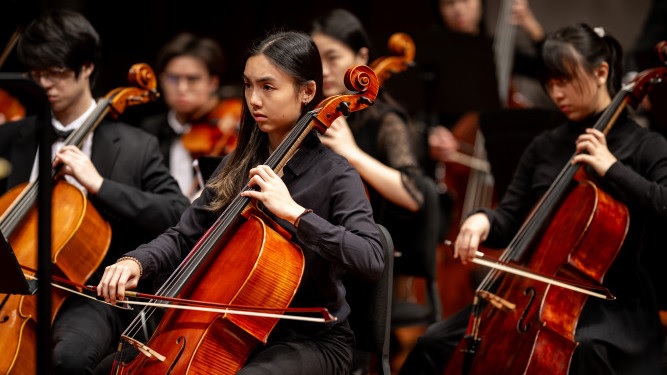
A Greater Bay Area Youth Orchestra project will bring young musicians to HKAPA for two weeks of training before performances in Hong Kong, Shenzhen and Guangzhou.
For Chan, these initiatives support a broader purpose: helping young artists tell Hong Kong and Chinese cultural stories while connecting them with opportunities beyond.
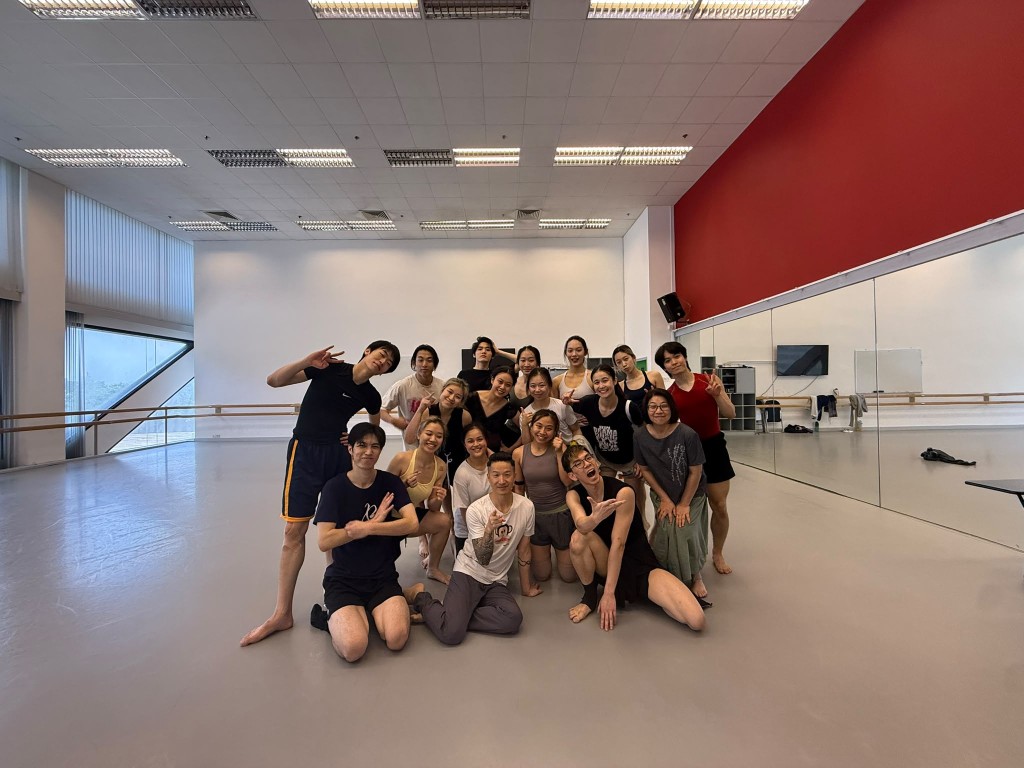
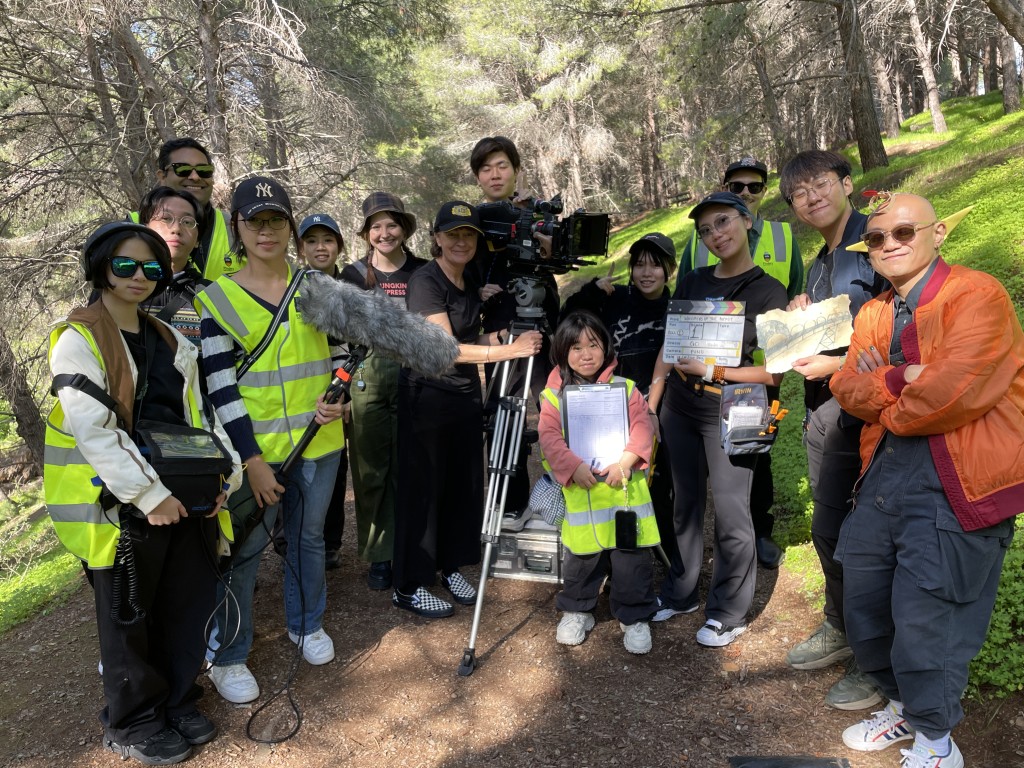
HKAPA encourages students to work across disciplines.
HKAPA encourages students to work across disciplines.
HKAPA encourages students to work across disciplines.
Turning talent into identity
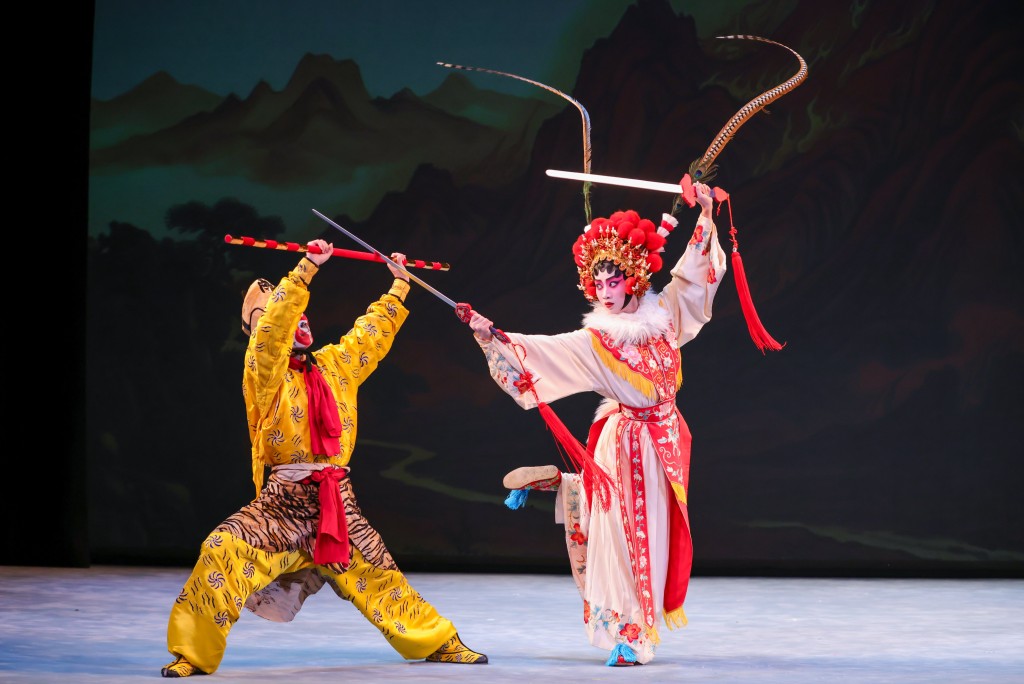
Meanwhile, Chan said preparing students for the creative industries means helping them see that their individuality can carry value. Students perform, work with professional companies and collaborate across disciplines, from dancers using motion capture to Cantonese opera performers working with jazz.
“Through the process of rehearsal, through the process of performance, they start to realize their own potential, their own abilities, and also their characteristics and personality,” Chan said. “That is the foundation of understanding their own self as an IP.”
HKAPA plans to strengthen awareness of legal issues, market needs, image rights and intellectual property. Chan also wants graduates to recognize possibilities beyond a single profession.
“We hope that when our students graduate, each of them will understand their own potential and how they can contribute to the world,” she said. “Each individual can become their own IP.”
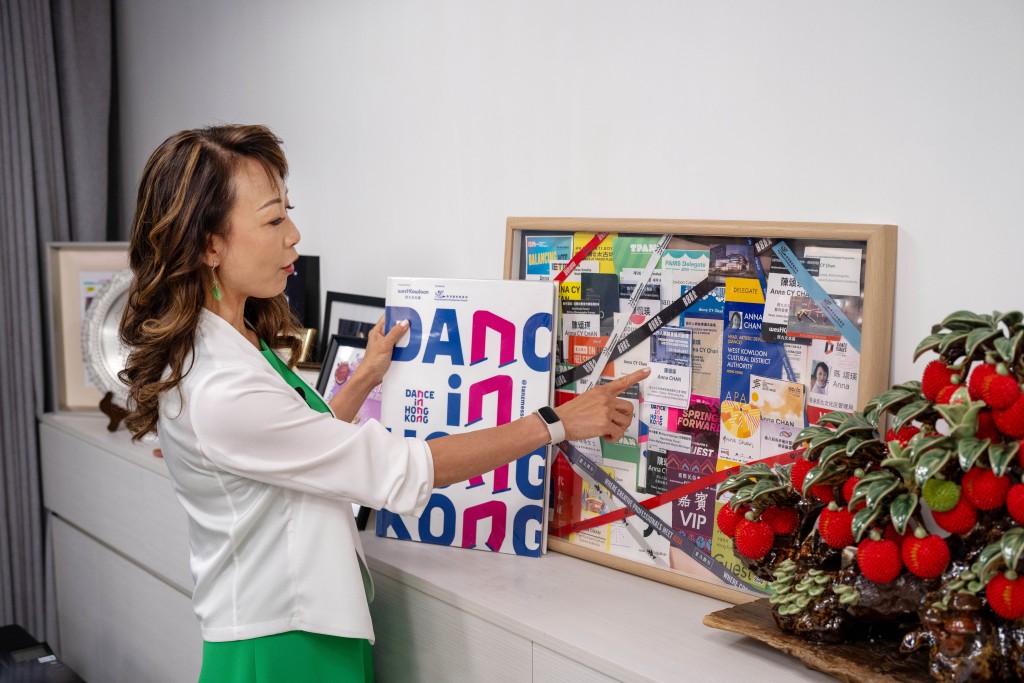
The display traces Chan’s years of international arts exchanges and performances.
From dance stages to the director’s office
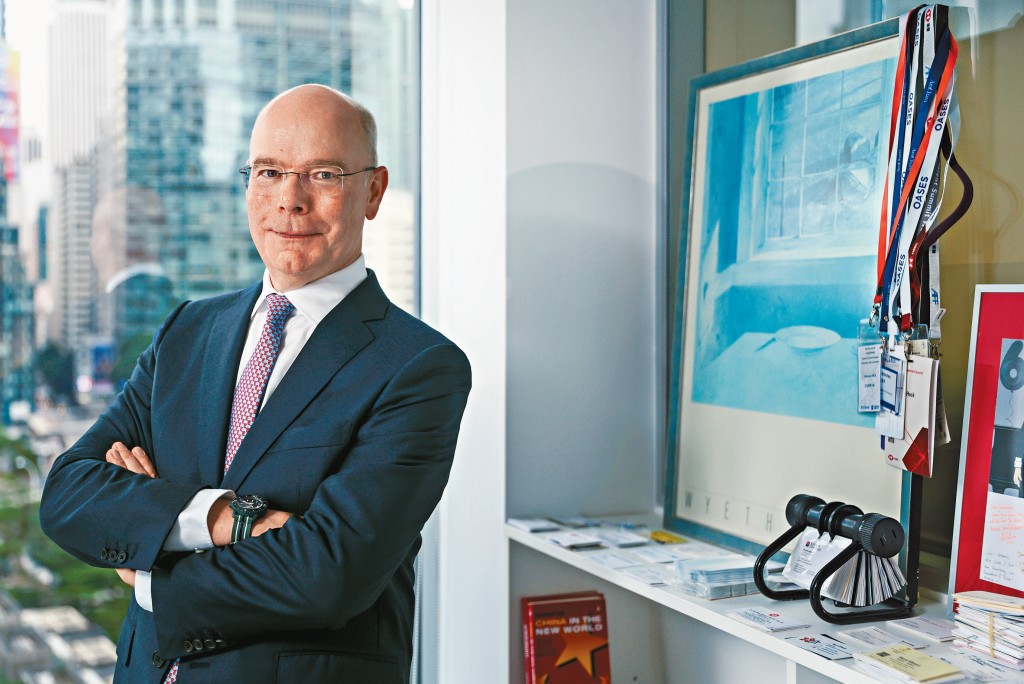
A wall display of festival passes recalls Anna CY Chan’s years overseeing dance at the West Kowloon Cultural District Authority. Made by former colleagues, it records the many festivals and fairs she attended worldwide. “I didn’t realize I had been to so many places,” she said.
A treasured memory is taking 60 Hong Kong artists and dancers to Dusseldorf before leaving WestK, bringing “the best of Hong Kong” to the global stage.
Chan began ballet at 13 and jokes that dancing is harder than running an academy. Her alternative career? Interior design. “I like beautiful things,” she smiled.