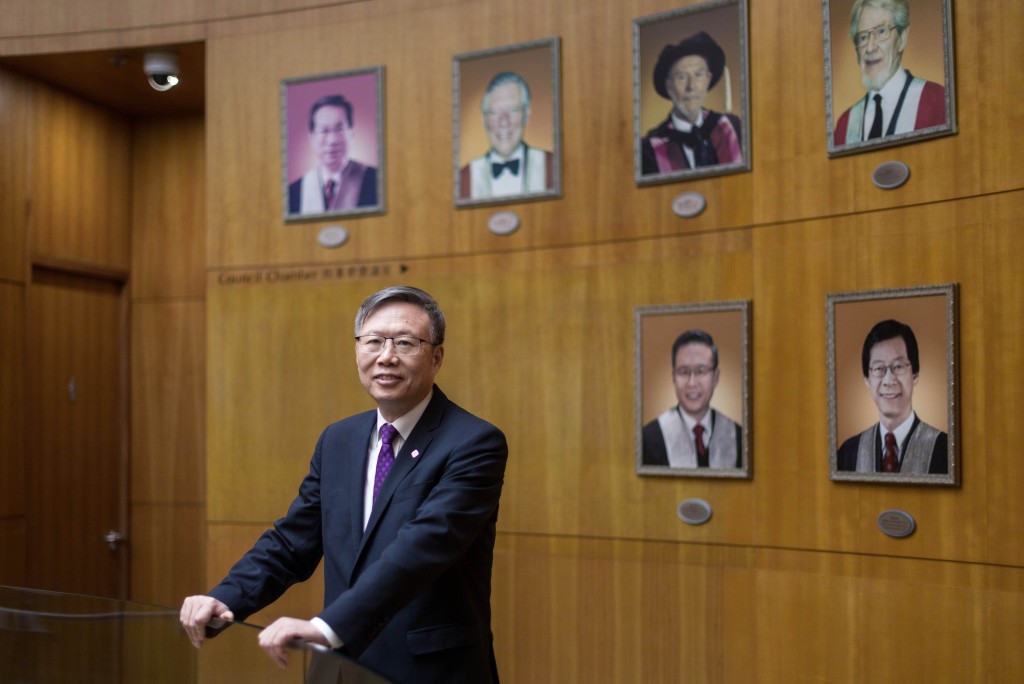
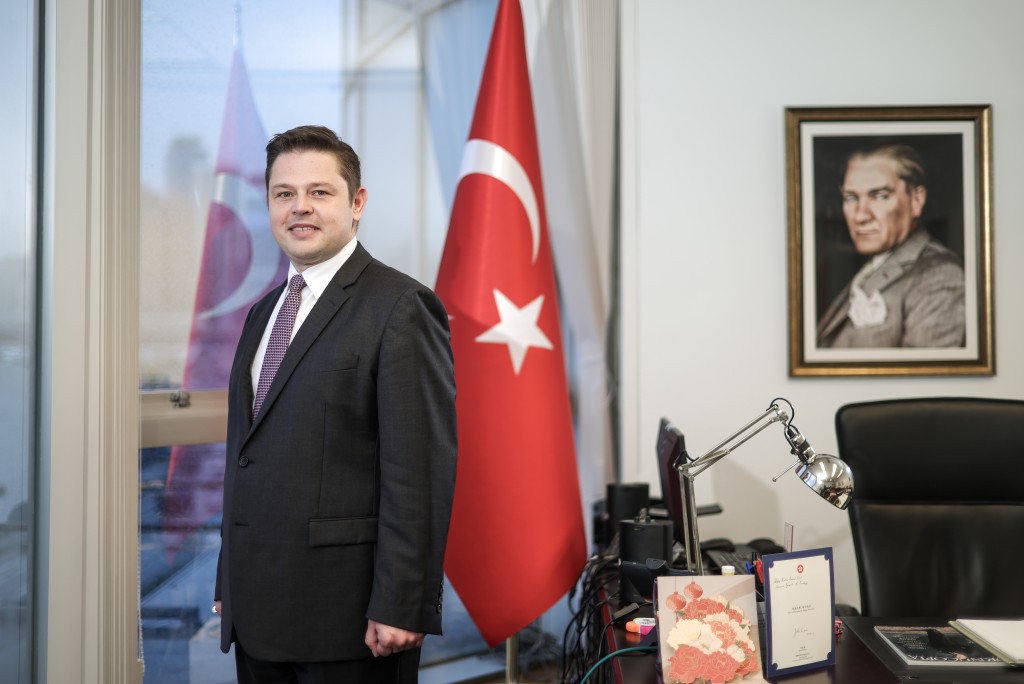
Polytechnic University targets raising the ratio of overseas to mainland students from this year's 4:6 to 5:5 to achieve a higher level of internationalization, said the school's president professor Teng Jin-guang.
This comes as PolyU recently made its debut into the world's top 50 in the QS World University Rankings 2027, demonstrating growing international recognition of the school.
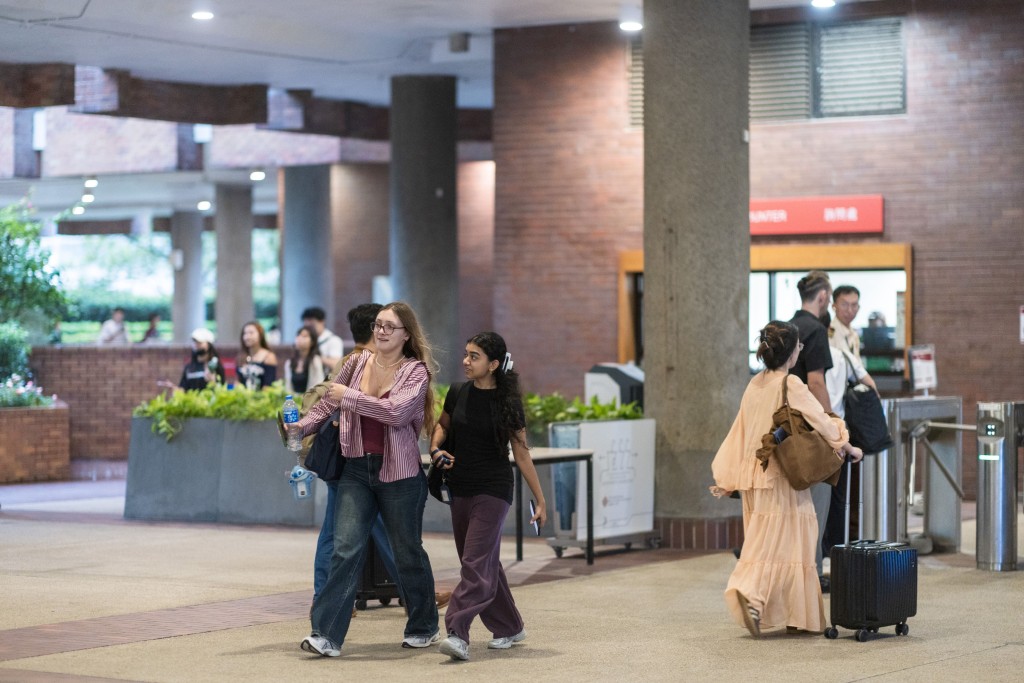
Teng said PolyU enrolled about 1,000 non-local students this year, with roughly 600 from mainland China and 400 from other parts of the world, and has set its sights on a 5:5 split between the two categories to further globalize its student intake.
This mission is further solidified under the city's first Five-Year Plan published last month, which targets enrolling 100,000 non‑local students in full‑time postsecondary education programs by the 2029/30 academic year. About 80,000 were enrolled in 2024/25.
One of the primary hurdles PolyU faces in attracting more international students is a shared one in Hong Kong: limited space. A school's global appeal directly correlates to the number of student accommodations available.
"At this moment, PolyU only has some 4,000 hostel places, and we guarantee one-year residence in student hostels for all [non-local] undergraduate students," Teng explained. "Because of this arrangement, we cannot have many more non-local students for the undergraduate programs."
That bottleneck should ease in a few years, Teng said, with PolyU expected to complete a new student hostel in Kowloon Tong in 2028 and one in Ho Man Tin later on, expanding intake capacity for international students.
PolyU ranked 50th in the QS World University Rankings 2027.
The space crunch has also prompted local universities to look to the Northern Metropolis University Town, which Teng said he was an early proponent of back in 2022 at a public forum. The NMUT will span over 1,000 hectares across three campuses, this year's Policy Address states, and applications for three sites in the Hung Shui Kiu campus opened last month.
"In view of PolyU's current space constraints, we plan to build a second campus and will actively support and participate in the NMUT," Teng said without disclosing further details of the school's participation.
Teng added that scholarships remain a key part of PolyU's overseas talent recruitment, especially for "top-quality students" from countries with less advanced economies. He highlighted Southeast Asia as one of their target student sources, while acknowledging competition from Singaporean and mainland Chinese universities.
Hong Kong's ability to draw and retain talent ultimately hinges on the career prospects it offers, Teng said. "It really depends on the opportunities we offer them … and the main driver is for the innovation and technology industry to be grown," he argued, citing as an example how China Mobile's research arm, established in Hong Kong in 2024, has since actively recruited local graduates, including from PolyU.
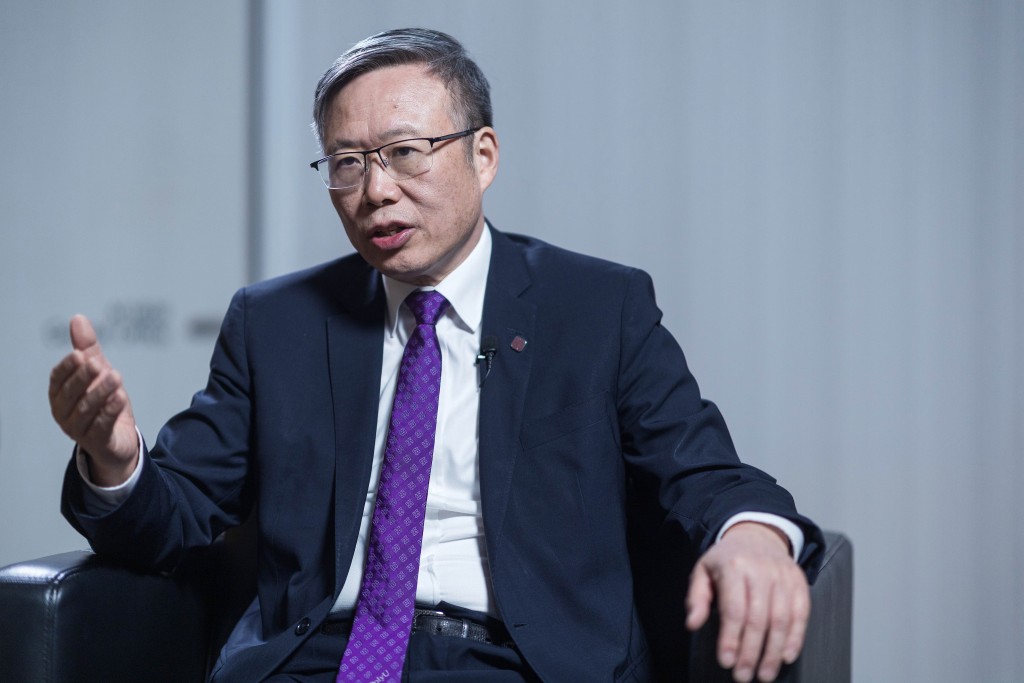
Teng Jin-guang says the world is moving toward the fourth-generation university model.
To facilitate graduates' integration into the job market, academia-industry collaboration has become a priority for what Teng calls today's "innovative world-class universities" – or "fourth-generation universities," a model PolyU has strived toward under his leadership.
University education finds its beginnings in Italy's University of Bologna, founded in the Middle Ages with the mission of imparting knowledge that defined the first generation, Teng said. The second generation in 19th-century Prussia pioneered the research element of universities, picked up by the third generation from the 20th century where research is largely driven by scholars' individual interests – a norm that has continued to the present day.
"The world is moving toward the fourth-generation model," said Teng, defining it with four key phrases: "demand-driven" and "problem-oriented," meaning universities work to address societal needs; "interdisciplinary approach," as solving the society's problems often involve more than one discipline; and "academia-industry collaboration," whereby scholars transfer research outcomes to industrial applications.
Joining the ranks of fourth-generation universities
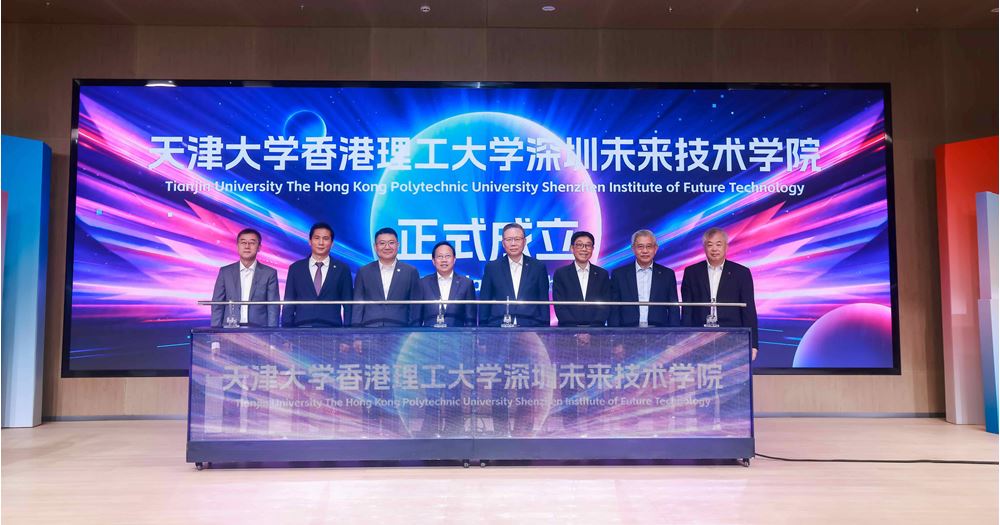
Guided by the fourth-generation university model, PolyU has recently partnered with Tianjin University and the Harbin Institute of Technology to form the Institute of Future Technologies and the International School of Design, respectively, in Shenzhen.
Academia-industry collaboration lies at the heart of such alliances. "The mainland has a lot of space that Hong Kong doesn't have and laboratories to do joint research. There's also a strong industrial base and a developing market, so you can work with the industries," Teng said, adding that he believes "the people we train will be very popular with the industries."
The two new schools offer programs ranging from frontier technologies strategic to national development to urban and rural planning, and graduates get degrees from both of each school's constituent universities. PolyU contributes about 40 percent of teaching at the new schools, conducted in English, as well as international-oriented education philosophies and courses, Teng said.
Teng Jin-guang, fourth right, at the opening ceremony of TJU-PolyU Shenzhen Institute Technology last month.
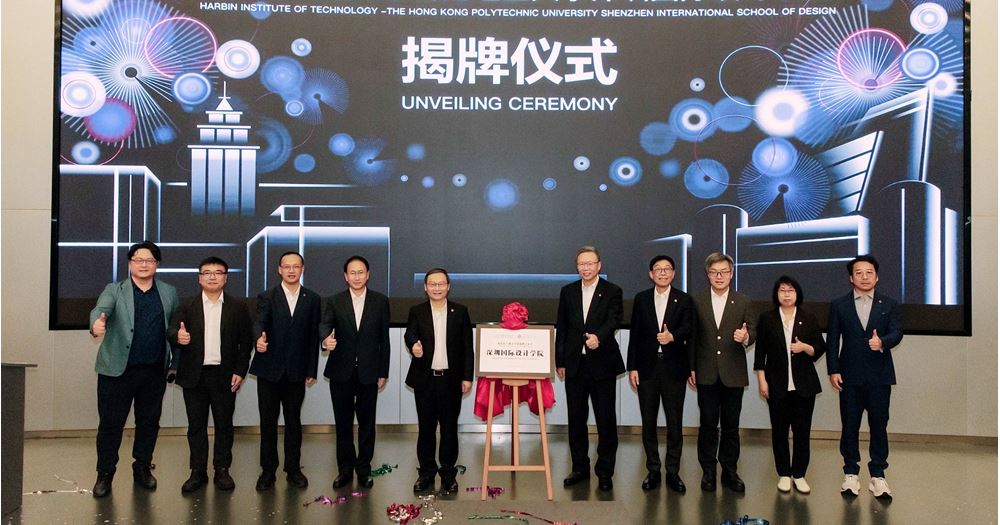
Teng Jin-guang, fifth right, at the unveiling ceremony of the HIT-PolyU Shenzhen International School of Design last month.
As for PolyU's local campus, a series of research academies has been rolled out, starting with the PolyU Academy for Interdisciplinary Research – or PAIR – inaugurated in 2022, consisting of 13 research institutes and seven research centers. The PolyU Academy for Artificial Intelligence opened last year, followed by the establishment of the PolyU Aerospace Research Academy this July, building on PolyU's expertise in the area and contribution to national space missions including Chang'e and Tianwen.
Teng added that a fourth academy on health technology will be established, taking some research units from PAIR. "By the time we have the four academies, we would have completed a system of interdisciplinary research academies," he said, marking PolyU's progress in executing the interdisciplinary approach.