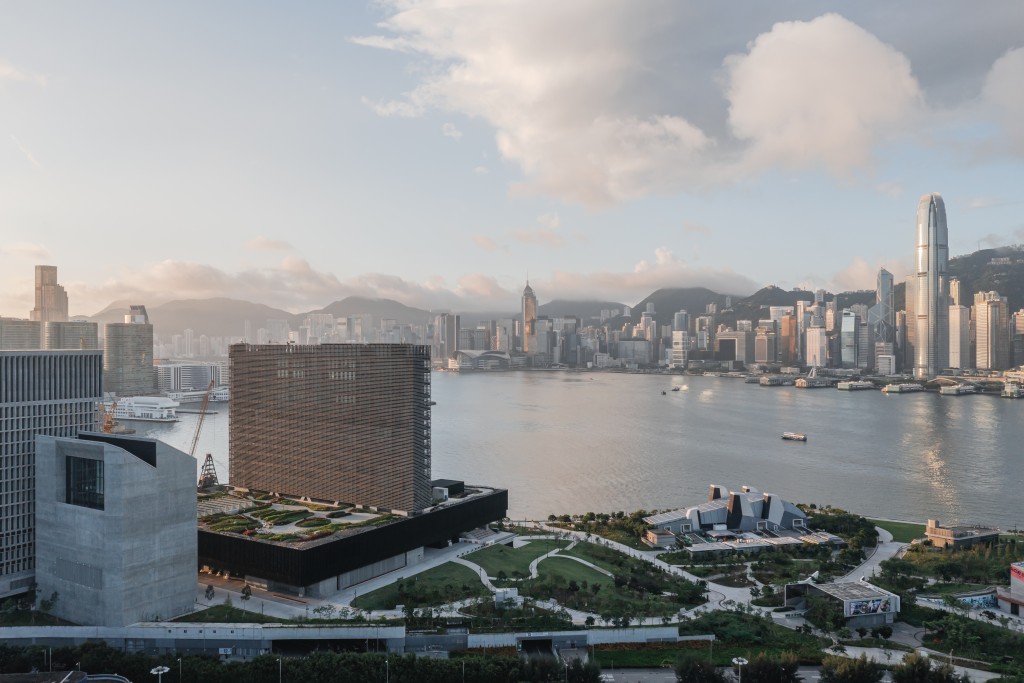
Hong Kong’s transforming cultural landscape has been powerfully shaped by Herzog & de Meuron, the renowned Swiss architectural firm behind two of the city’s most distinctive landmarks: the contemporary art museum M+ and the revitalized heritage complex Tai Kwun.
Celebrated for global icons like Beijing’s “Bird’s Nest” stadium and London’s Tate Modern, the firm’s work in Hong Kong illustrates how architecture can help carve out spaces for civic life, creativity, and community in a dense metropolis.
Ahead of Hong Kong’s Business of Design Week, H&dM’s chief executive Wim Walschap spoke to The Standard about the firm’s work in the region, its design philosophy, and its approach to the global climate crisis and artificial intelligence.
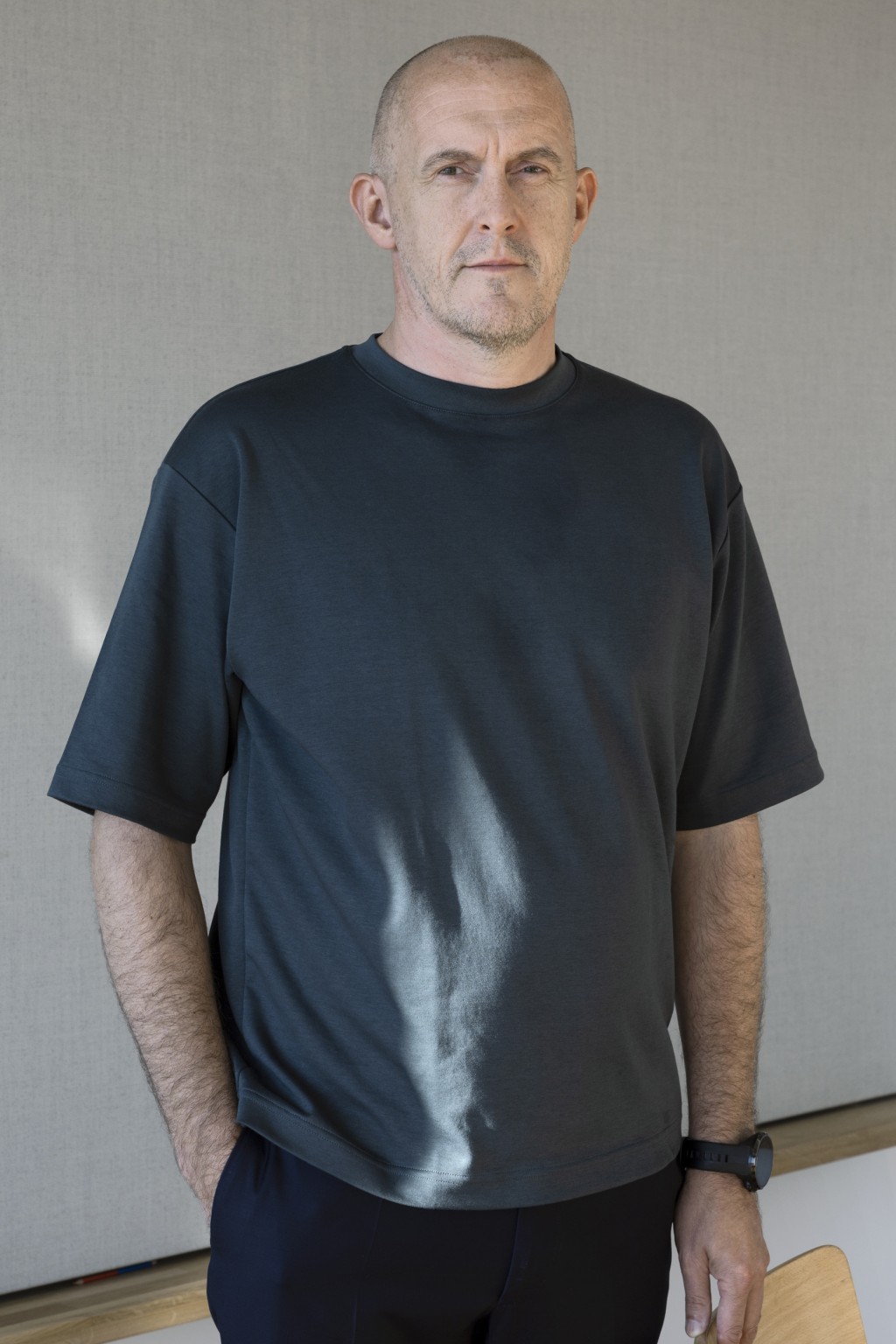
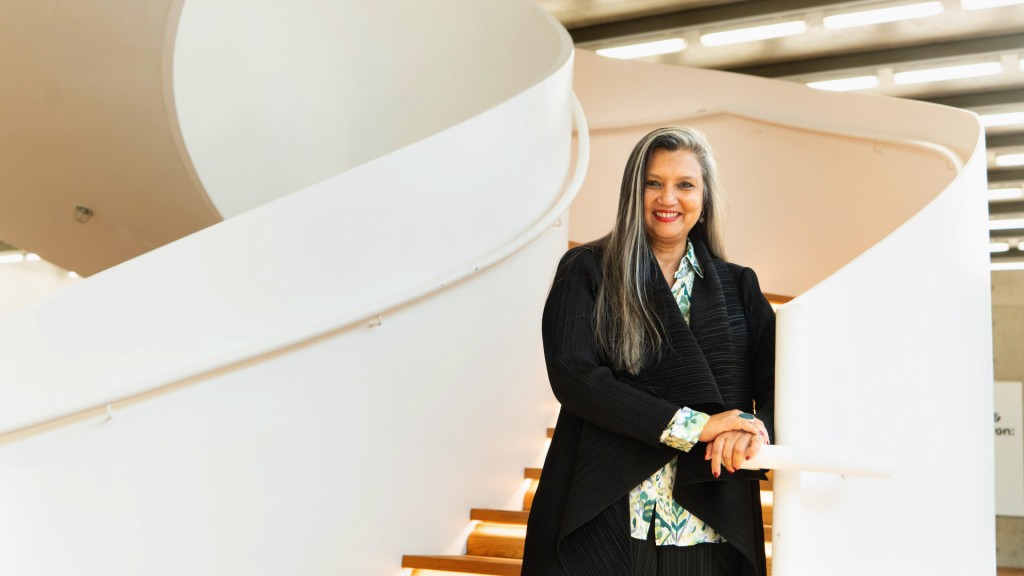
Wim Walschap (H&dM)
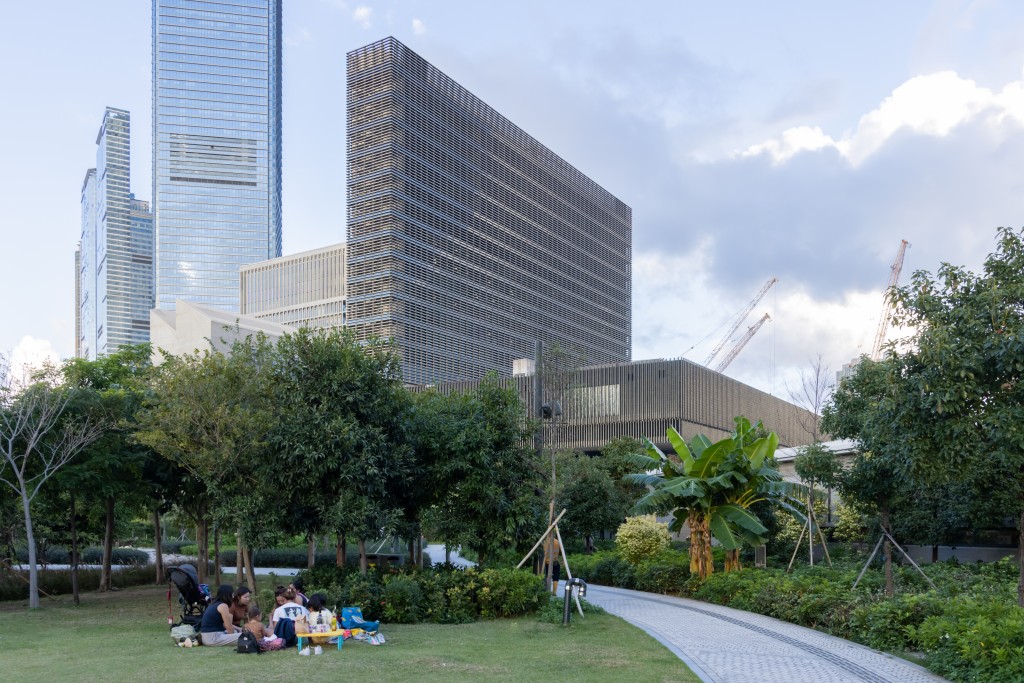
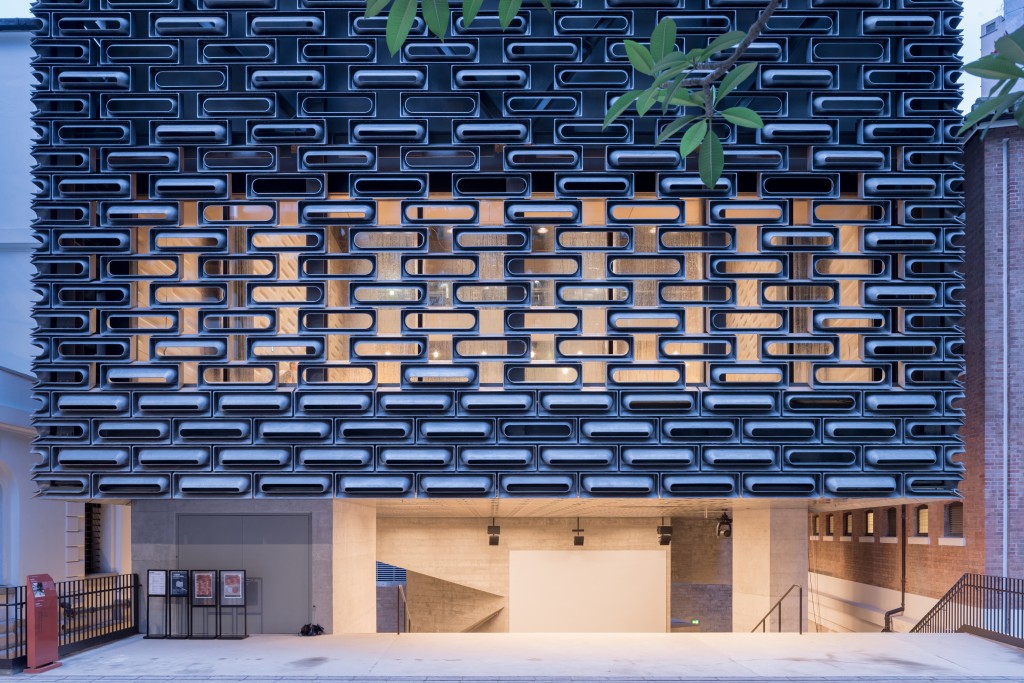
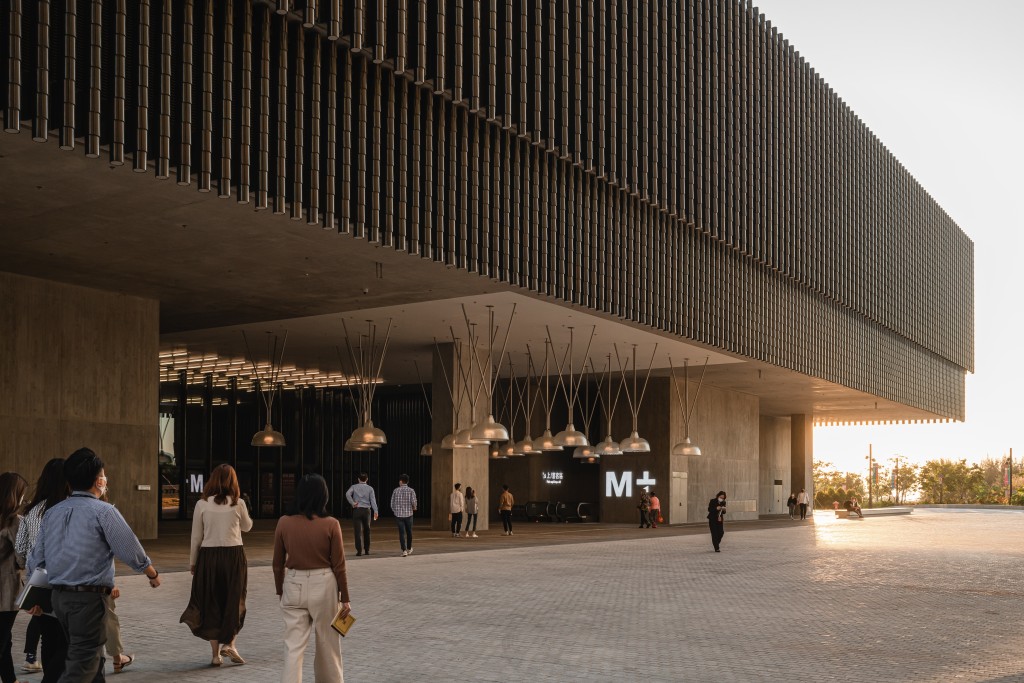
M+'s open design allows people to introduce their own activities and meanings.
As M+ marks its fifth anniversary this month, Walschap, who was partner in charge of the project, recalled the vision behind it: “From the outset, we wanted to create public spaces the city could claim as its own.”
Community-making lies at the heart of the museum’s design. From its porous, welcoming ground floor to the gathering spaces at the Grand Stair and the expansive outdoor Roof Garden, M+ offers places to “gather, meet, rest and take part in everyday civic life,” Walschap said.
"The architecture provides a clear structure while leaving room for people to introduce their own activities and meanings.”
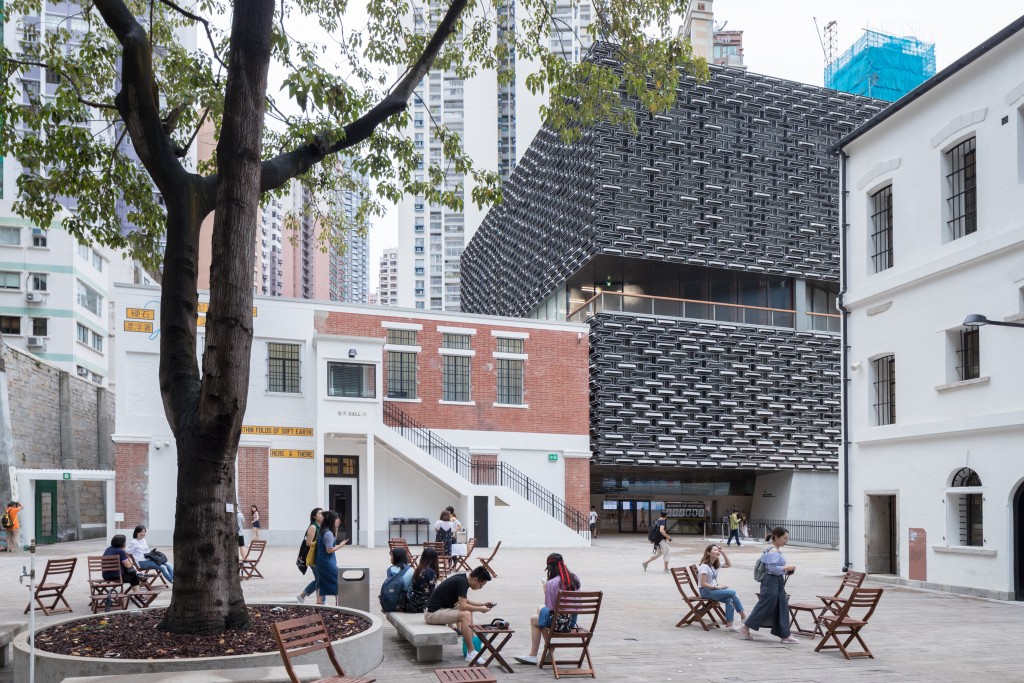
That openness finds an echo in another H&dM project, Tai Kwun, where the preserved Parade Ground and Prison Yard have made the complex one of Hong Kong’s most popular urban oases. Together, the two projects suggest how the city might nurture its cultural landscape.
“The public response to M+ and Tai Kwun suggests a strong appetite for places where culture and everyday life can meet,” Walschap said. “In a city as dense and intense as Hong Kong, their value lies as much in the exhibitions and events … as in the opportunity to spend time without a prescribed purpose.
“The potential lies in bringing these experiences together without making participation feel obligatory.”
With its open courtyards, Tai Kwun has become one of Hong Kong’s most popular urban oases. (H&dM)
With its open courtyards, Tai Kwun has become one of Hong Kong’s most popular urban oases. (H&dM)
M+ embodies another kind of openness: a flexibility afforded by its diverse exhibition spaces, which Walschap noted include “conventional galleries, reconfigurable rooms, a black box and the Found Space.”
Such flexibility could help support an institution’s long-term financial sustainability – a pressing concern for the West Kowloon Cultural District, where M+ is situated.
“Design can't fix an institution's finances, but it can help a museum remain relevant to the community it serves,” Walschap said. “Only institutions that can transform and reinvent themselves will remain relevant and continue to be loved and cared for by a changing society.”
Yet even as the design looks to the future, it remains grounded in the site’s existing conditions. The Found Space, one of M+’s most distinctive areas, is a basement gallery shaped along the contours of the Airport Express tunnel running beneath the site.
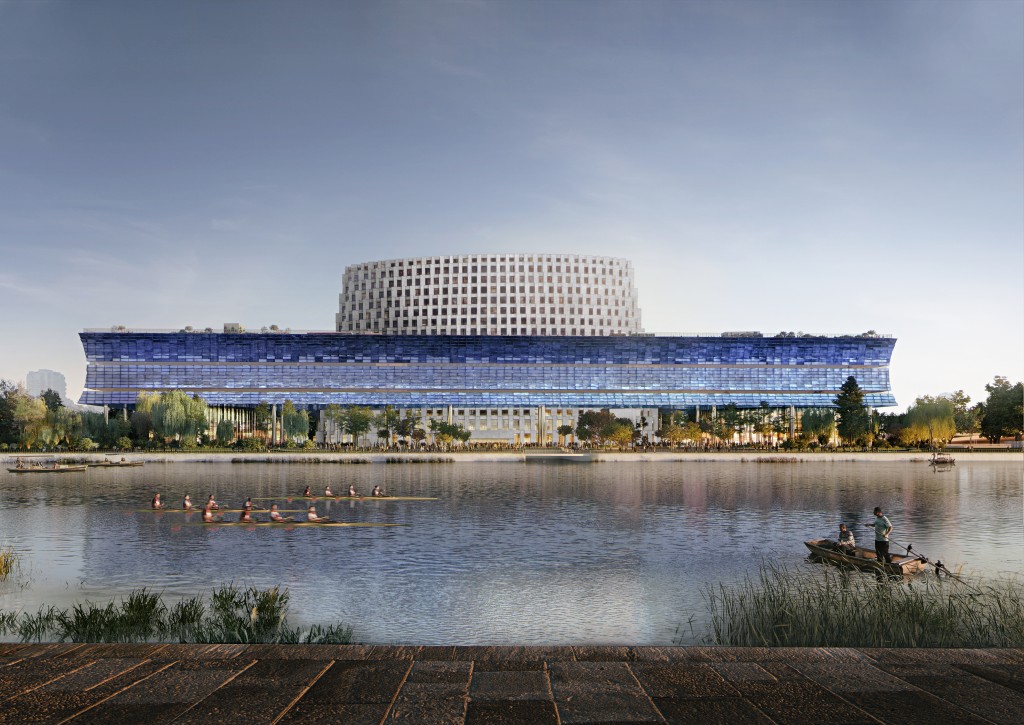
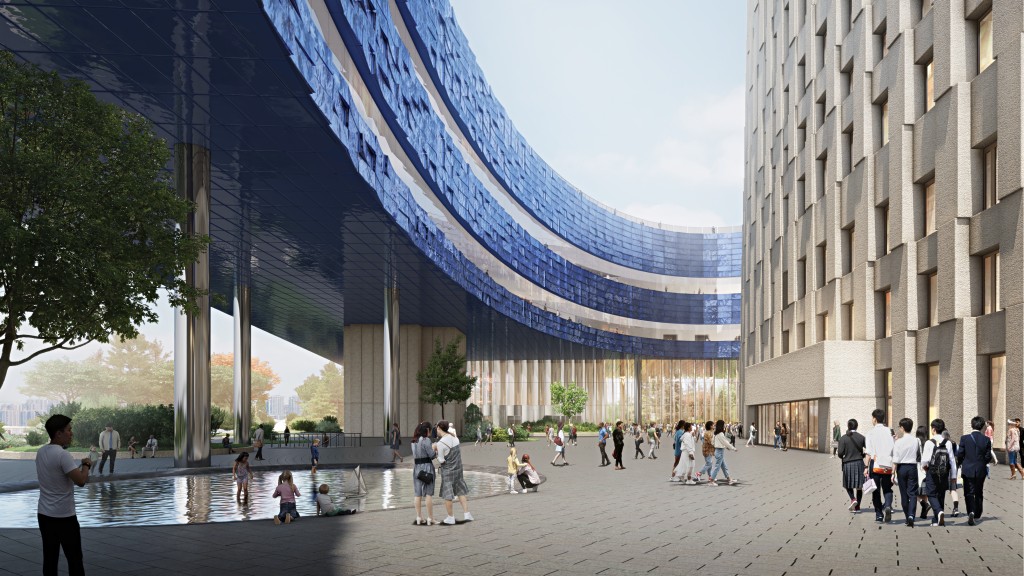
”Finding spaces” is a recurrent theme in H&dM’s work. Tate Modern turned the cathedral-like Turbine Hall and subterranean oil tanks of the original Bankside Power Station in London into gallery spaces. The Grand Canal Museum Complex in Hangzhou, completed this August, takes its cue from the historic Beijing-Hangzhou Grand Canal, curving along its course.
“Reusing or revealing existing structures avoids the carbon cost of demolition and completely new construction,” Walschap said. “It also keeps a place's history visible and knowable for future generations.”
Grand Canal Museum Complex (H&dM)
Grand Canal Museum Complex (H&dM)
Beyond 'Bird's Nest': China projects gain ground
Meanwhile, from Beijing’s National Stadium – a centerpiece of the 2008 Olympic Games – to the Grand Canal Museum Complex and the Hong Kong Jockey Club Conghua Racecourse Grandstand now under construction in Guangzhou, H&dM continues to expand its footprint across mainland China.
“Herzog & de Meuron: In Focus,” a special exhibition at M+ tracing 10 of the firm's China projects, is running af M+ currently until January 10, 2027. It offers a chance to reflect on the architectural scene in the region.
“One striking aspect of working in China is the speed at which projects can move from design into construction,” Walschap remarked. “That momentum can be exciting: ideas become tangible quickly, and the collective capacity to realize complex buildings is impressive.”
“The challenge is to sustain a thoughtful design process and careful attention to detail while working at that pace.”
More China projects are in the pipeline, Walschap revealed, each intended to “engage with the region's evolving urban, cultural and environmental conditions.”
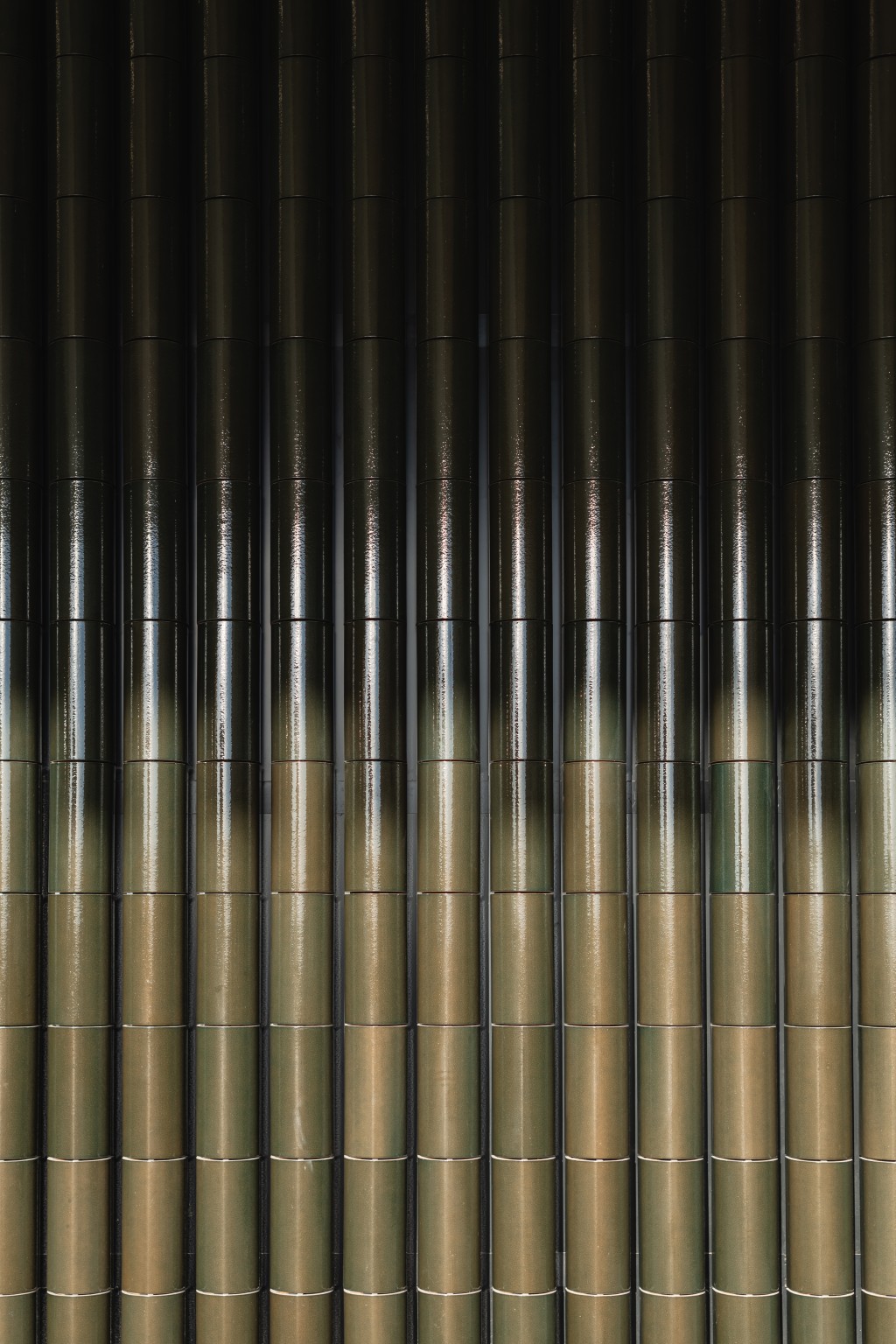
M+’s ceramic facade protects the building from extreme heat, humidity and wind.
Climate and AI: Building for a world in flux
Climate considerations inform H&dM’s designs from the outset. M+’s ceramic facade, for example, is both a nod to Asian building traditions and a protective response to Hong Kong’s heat, humidity and wind.
“Comfort … shouldn't rely on mechanical systems added once the architectural design is complete,” Walschap said, explaining that a building’s orientation, massing, passive shading and facade materials can have a big impact on how it responds to heat and cold.
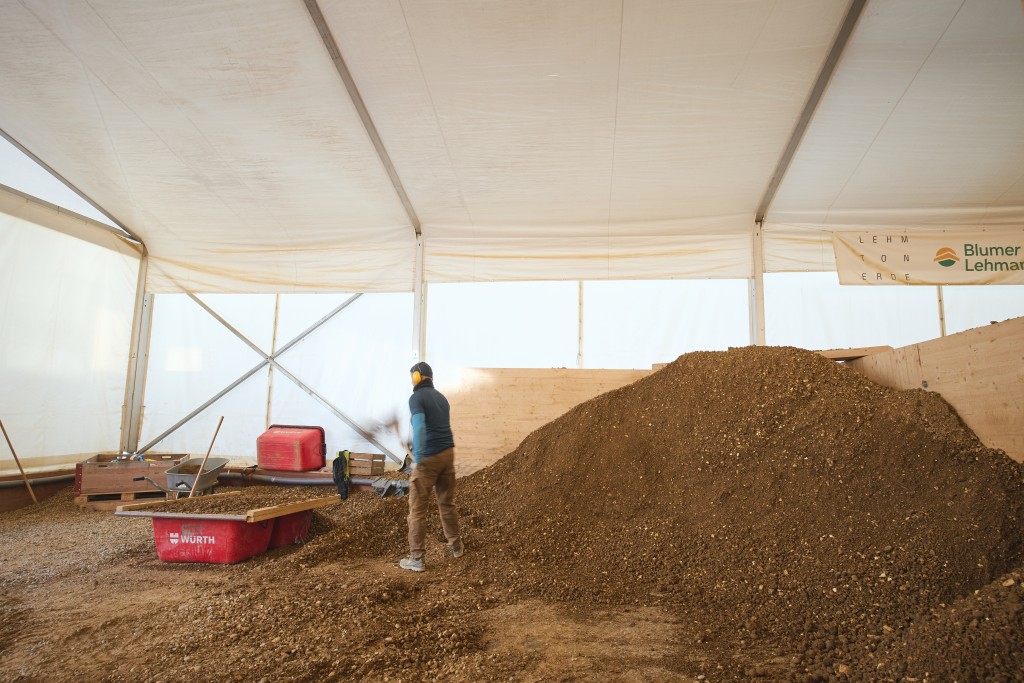
Climate resilience also means “not adding to the problem,” he said, including through the use of recycled, bio-based or mineral materials. For the Hortus office building, which opened last year at the Switzerland Innovation Park, H&dM developed a special material that reduces carbon emissions by up to 90 percent compared with concrete slabs.
For Hortus, H&dM developed a ceiling slab that combines timber with earth excavated on site, greatly reducing carbon emissions.
Having taken the helm in May, Walschap sees his core task as safeguarding the legacy of the firm – founded in 1978 by Jacques Herzog and Pierre de Meuron – while guiding it through “an increasingly uncertain geopolitical and environmental future.”
“That uncertainty aligns well with our deeply specific, critical way of working,” said Walschap, adding that the firm is engaging digital technologies, including AI, with “curiosity and a critical eye.”