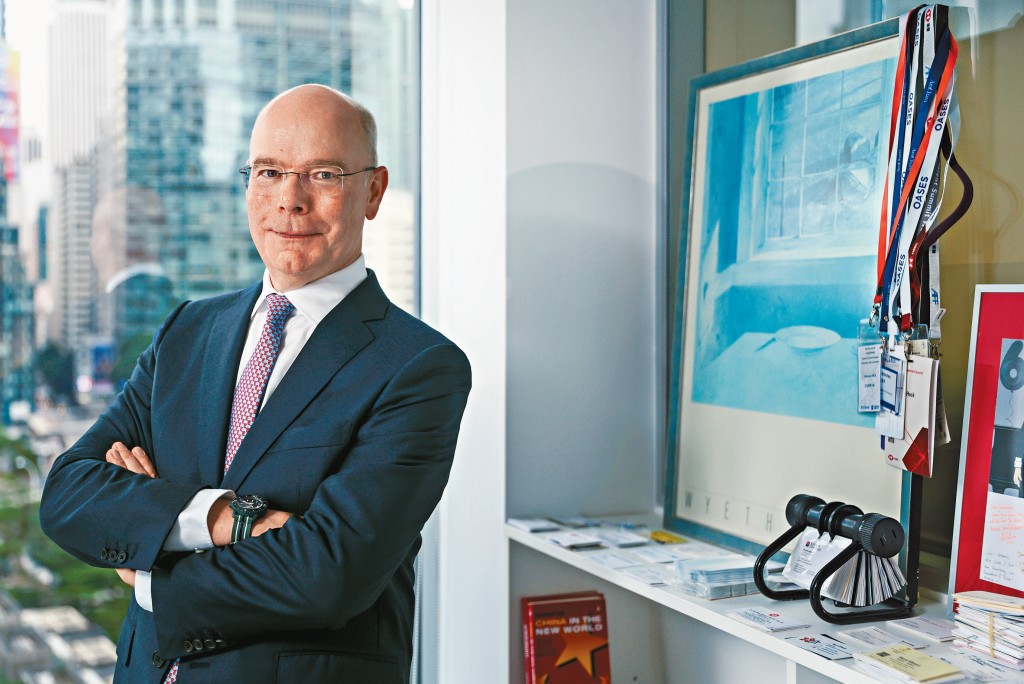
The Hong Kong University of Science and Technology is moving ahead on multiple fronts to build the city’s third medical school, aiming to train doctors skilled in emerging technologies and build a self-sustaining healthcare innovation ecosystem, said president Nancy Ip Yuk-yu.
The four-year graduate-entry medical program is expected to welcome its first cohort of 50 students in 2028. Construction of the eight-storey Medical Education and Research Complex at the Clear Water Bay campus is progressing, with six floors completed and the building’s topping-out planned for early 2027, Ip said.
Under founding dean of medicine King Li King-chuen, the university is recruiting faculty from around the world and consulting the government and Medical Council on accreditation.
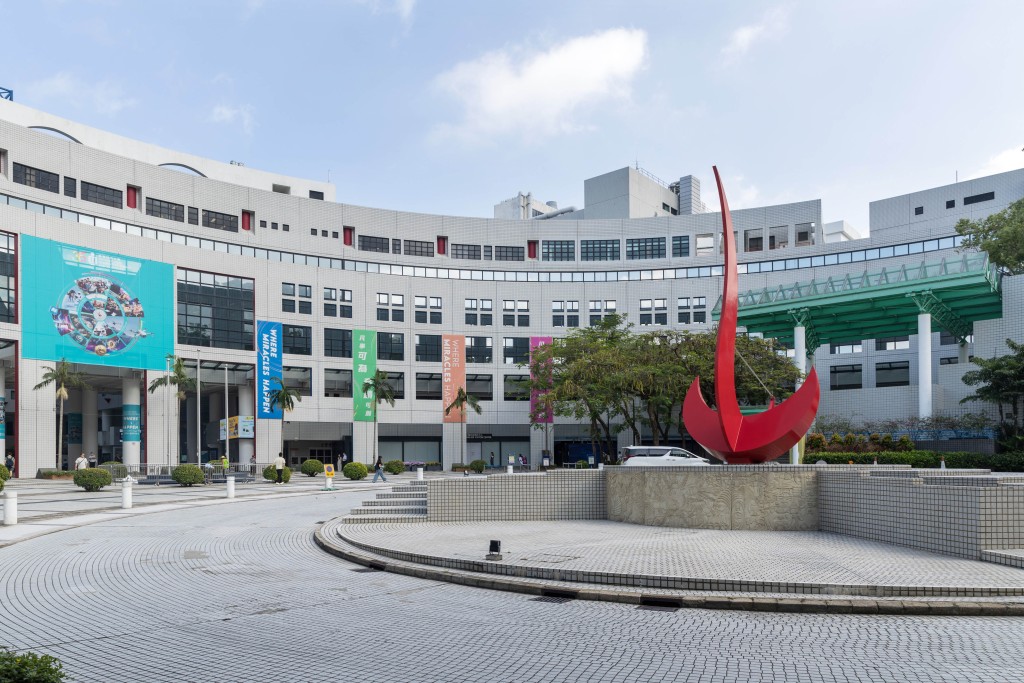
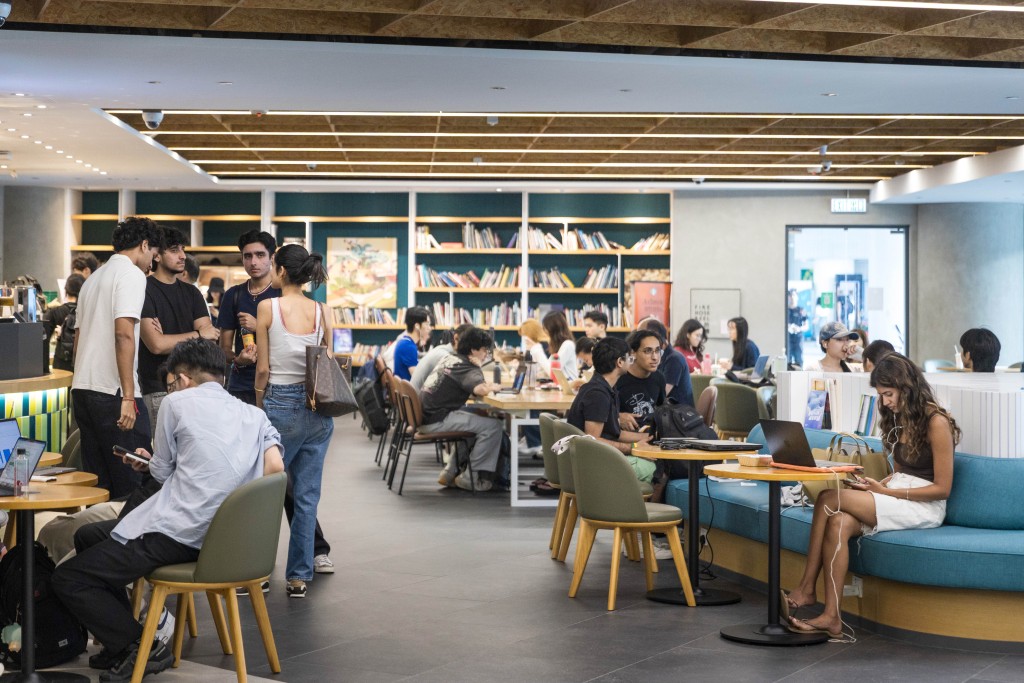
The Clear Water Bay campus has been named one of the most beautiful campuses in Asia.
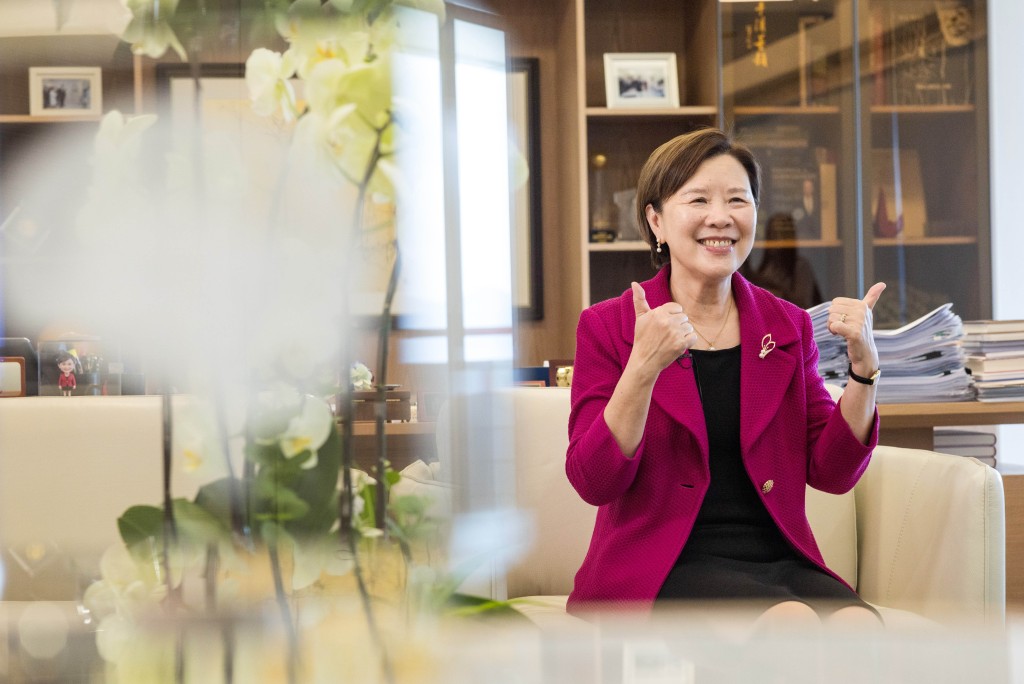
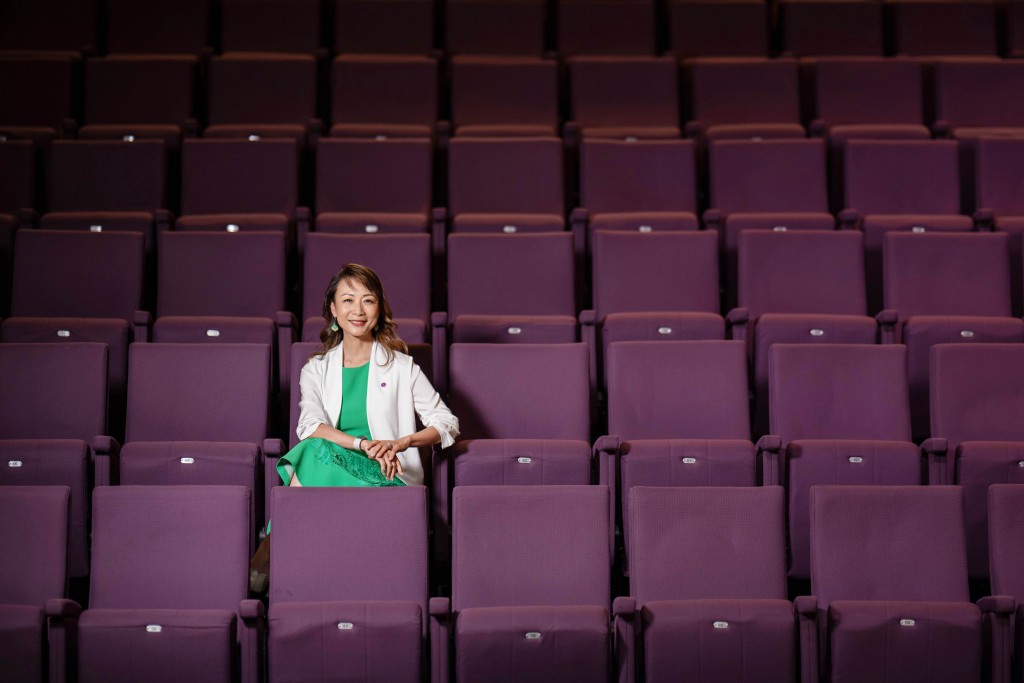
Nancy Ip is a world-renowned neuroscientist who hopes her example will inspire more women to pursue careers in science and academia
Ip said medical students would need to embrace advanced technologies. HKUST aims to create a “closed-loop” ecosystem in which clinicians work with university scientists to address challenges at the bedside, develop discoveries into commercial products with industry partners, and bring new treatments back to patients.
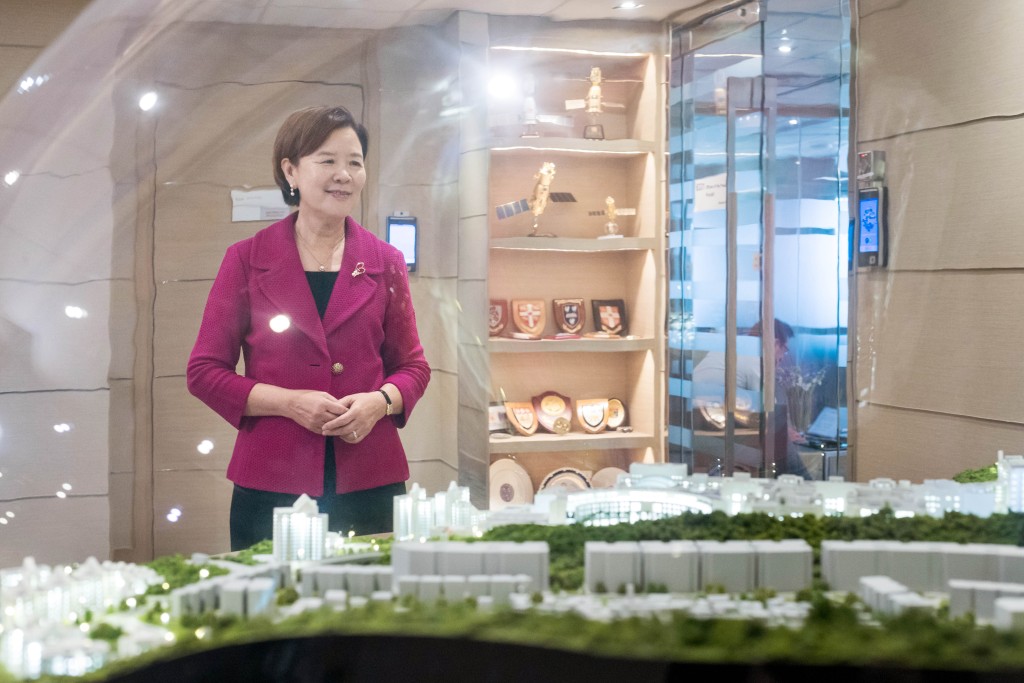
Kai Tak Hospital will initially serve as the school’s teaching hospital. The permanent medical campus and flagship teaching hospital will be at Ngap Tam Mei in the Northern Metropolis’ San Tin University Town.
HKUST is also exploring other ways to contribute to the Northern Metropolis. After visits to Sweden, Switzerland, Germany, the United Kingdom and the United States, Ip said several overseas universities had expressed interest in launching joint degree programs and research projects and bringing corporate partners to the area.
The plans align with HKUST’s broader Innovation Corridor strategy. The main campus will focus on frontier research and attracting global talent, while the Northern Metropolis campus will concentrate on technology transfer, entrepreneurship and medical innovation. Platforms in Shenzhen, Foshan, Guangzhou Nansha and Shanghai, together with collaboration with HKUST (Guangzhou), will help scale research and accelerate its path to industry.
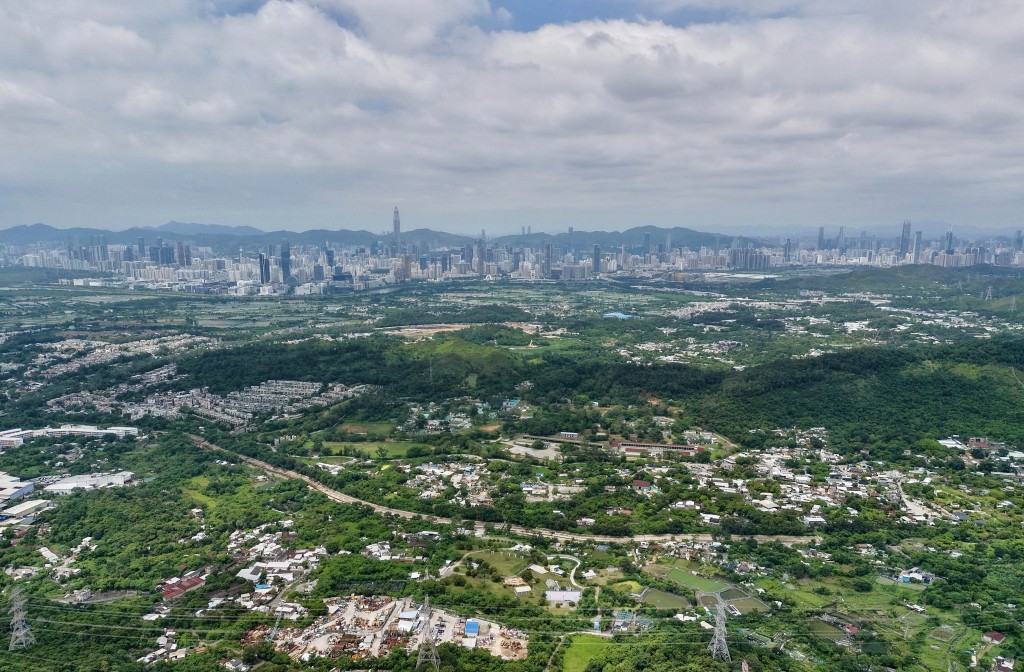
The permanent campus of HKUST medical school will be located in Ngau Tam Mei in the Northern Metropolis
HKUST has risen 11 places to 33rd in the QS World University Rankings 2027. As Hong Kong’s first research university, it is building on its record in commercializing research and collaborating with industry to develop cross-sector projects across the region.
The university received full marks for industry connections in the Times Higher Education World University Rankings 2027. It has established 33 corporate joint laboratories with global companies, including Intel, and its startup ecosystem has nurtured more than 2,000 active ventures, including 11 global unicorns such as DJI.
“Developing a new region is much like building a new city, and the participation of universities is vital,” Ip said. “Universities can contribute across so many areas—from supplying talent and driving education to accelerating research translation and fostering the birth of emerging industries.
As the first female president of a university in Hong Kong, Nancy Ip is also a world-renowned neuroscientist who hopes her example will inspire more women to pursue careers in science and academia.
Her research focuses on drug discovery for neurodegenerative diseases such as Alzheimer’s. Combining multi-omics analysis with studies in humans and laboratory models, her team has identified potential diagnostic biomarkers and therapeutic targets. In 2004, she received the L’Oréal-UNESCO For Women in Science Award.
Speaking about the “leaky pipeline” that sees women leave academic research, Ip said diversity strengthens scientific discovery. “The world needs science, and science needs women,” she said, quoting the L’Oréal-UNESCO motto. “Women bring distinct perspectives that foster innovation.”
To support female academics balancing family and career, Ip noted that HKUST has introduced policies including tenure-clock extensions for maternity leave.
Reflecting on her own journey as a mother of two who balanced doctoral studies, pioneering research, and leadership roles, she credited her family’s steadfast support as her core driving force.
When asked what advice she offers to young women questioning whether to pursue a PhD or a research career, her answer is simple: “Follow your heart.”
“If you find your passion, you will pour your heart into it, and the hard work won’t feel like a burden,” she said. “Every morning when you wake up, you should feel deeply invested in what you do.”
To clear her mind amid a demanding schedule, Ip starts her mornings with walks and hikes along Hong Kong’s scenic trails.
Career support, advanced facilities to draw students, scholars
HKUST is actively drawing outstanding global students and scholars by pairing world-class research infrastructure with comprehensive career support, as part of broader efforts to solidify Hong Kong’s status as an international talent hub, said president Nancy Ip.
The university has roughly 21,000 students, including 12,000 undergraduates and 9,000 postgraduates. In 2026, non-local students account for about 1,000 of the 3,200 incoming undergraduate cohort—a non-local ratio of nearly 50 percent.
HKUST’s non-local students come from more than 60 countries and regions.
Ip emphasized that the university places great importance on research translation.
Ip said these students represent over 60 countries and regions, including South Korea, India, Indonesia, Switzerland, Uzbekistan, and other Belt and Road partners.
“With our campus recently ranked among the most beautiful in Asia, non-local students naturally fall in love with studying here. Many also choose to stay after graduation to work or continue their studies, including postdoctoral opportunities for our PhD graduates,” she said.
In response to the government’s target of enrolling 100,000 non-local post-secondary students by the 2029/30 academic year, HKUST is offering internships, exchange programs and visits to the Greater Bay Area to help students gain regional experience.
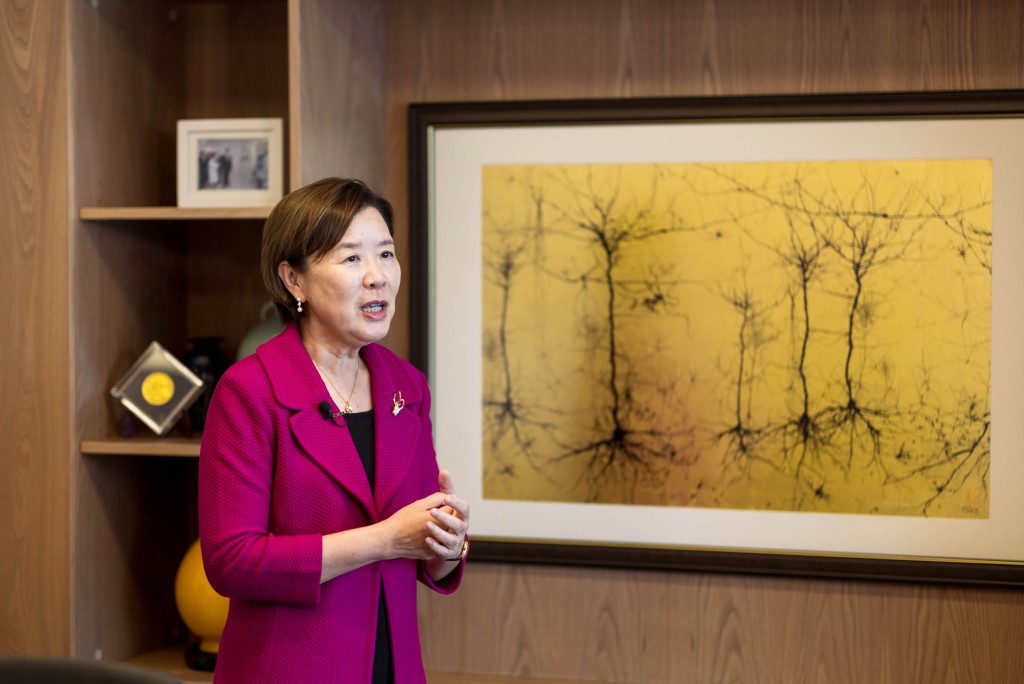
Ip with artwork by neuroscientist-artist Greg Dunn, whose paintings visualize brain cells communicating to enable function.
The university ranked among the world’s top 30 in the Global University Employability Ranking 2026 and was ranked first in Hong Kong for the 13th consecutive year.
On faculty, HKUST has recruited 160 professors worldwide over the past three years, with plans to hire another 100 to 200 scholars in the next two to three years. Ip highlighted that the university’s key strength lies in empowering academics through exclusive resources.
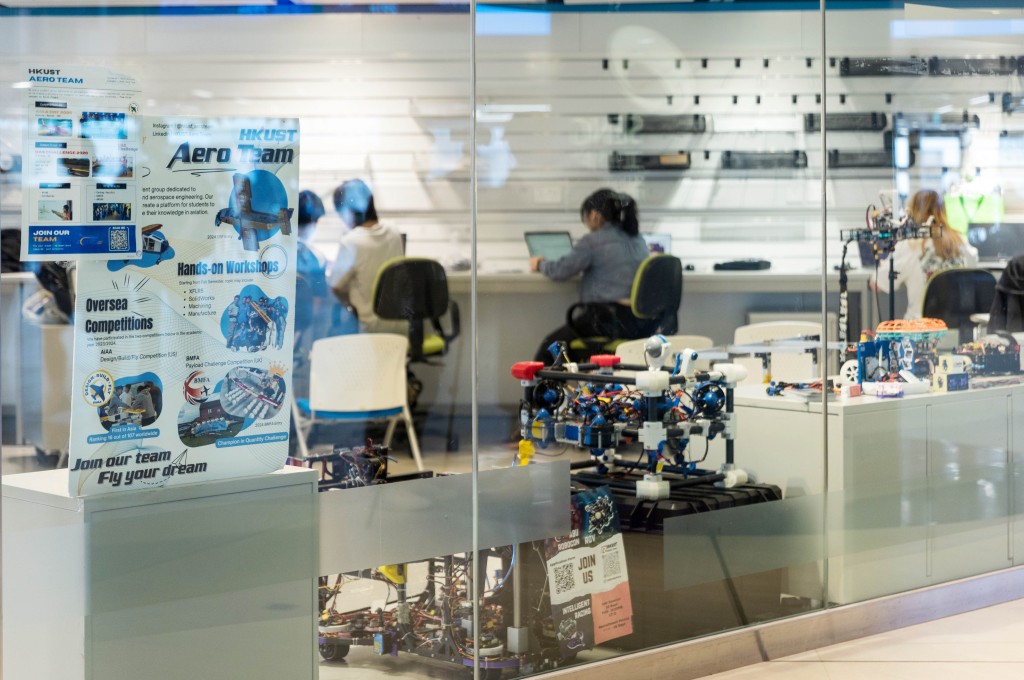
As the only Hong Kong university with nine shared central research facilities—spanning life sciences, nanofabrication, environmental analysis, and aerodynamics, alongside a new supercomputing platform—HKUST provides solid operational backing.
This infrastructure is matched by leading grant performance: HKUST ranked first in Hong Kong for both the Collaborative Research Fund and Research Impact Fund in 2025/26, securing over HK$77 million across 13 projects to fuel cutting-edge research.