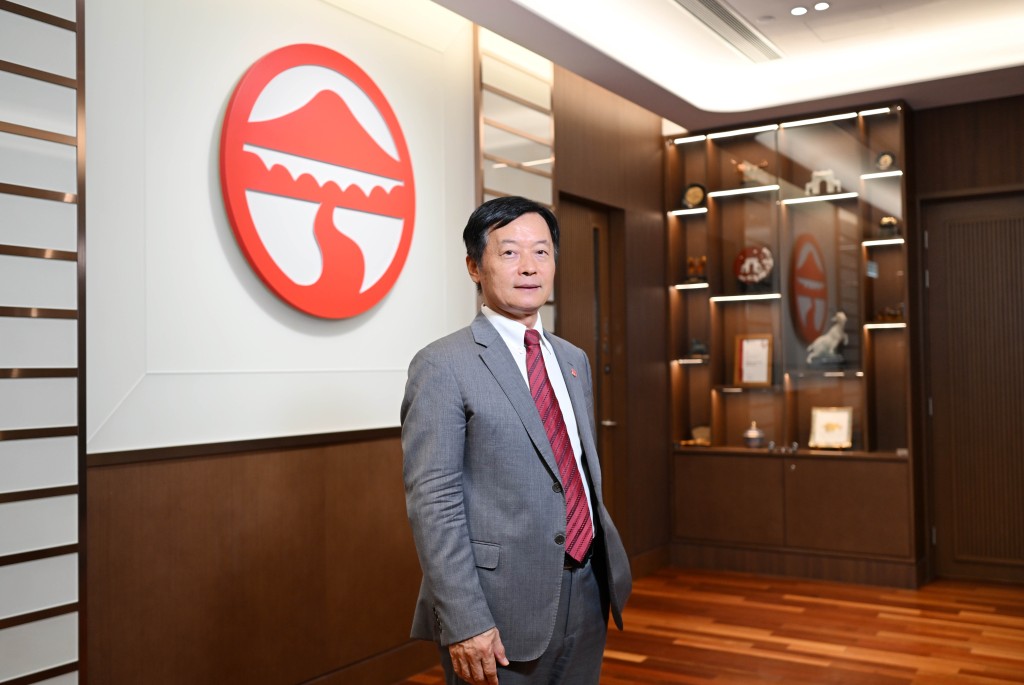
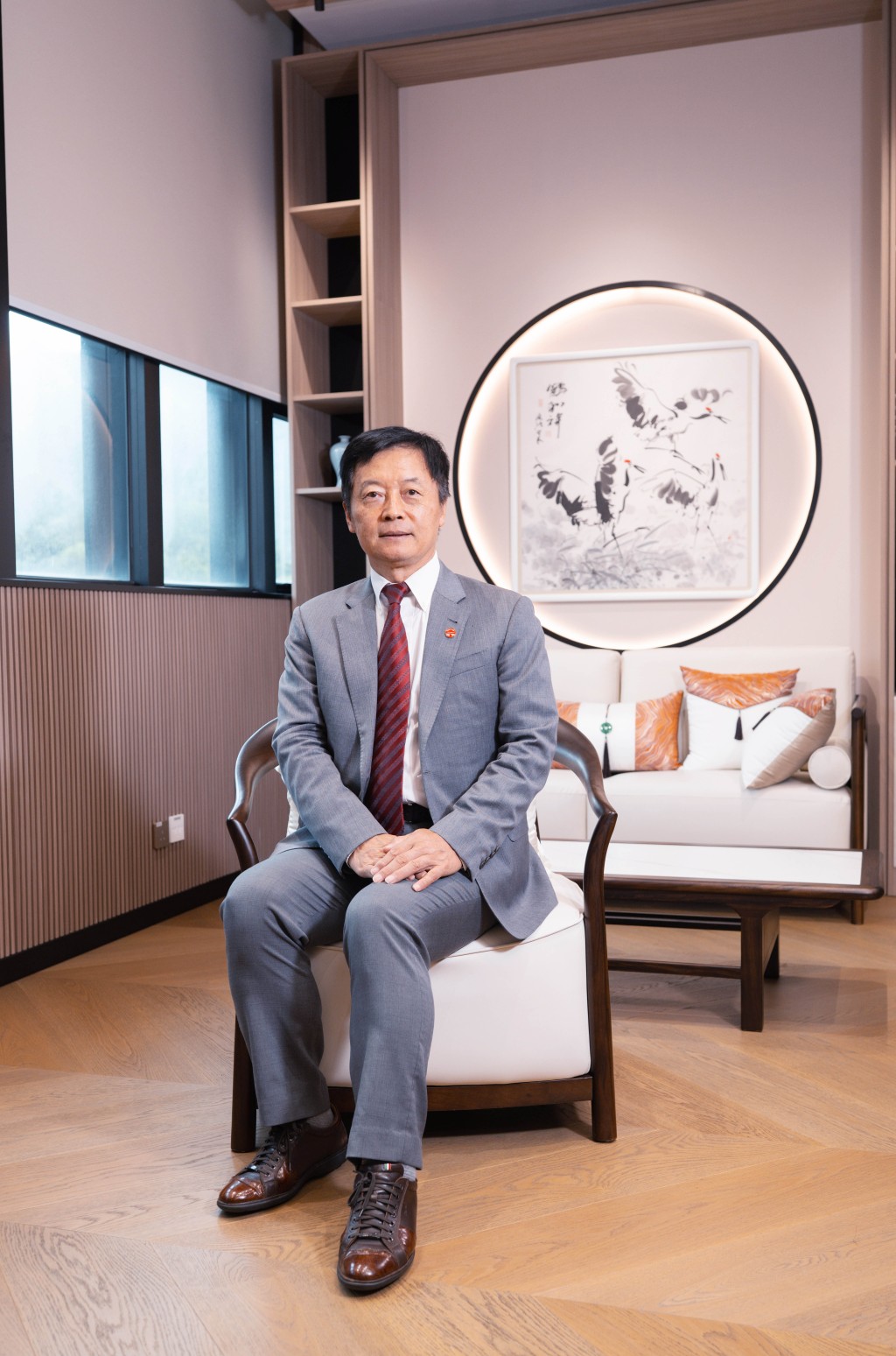
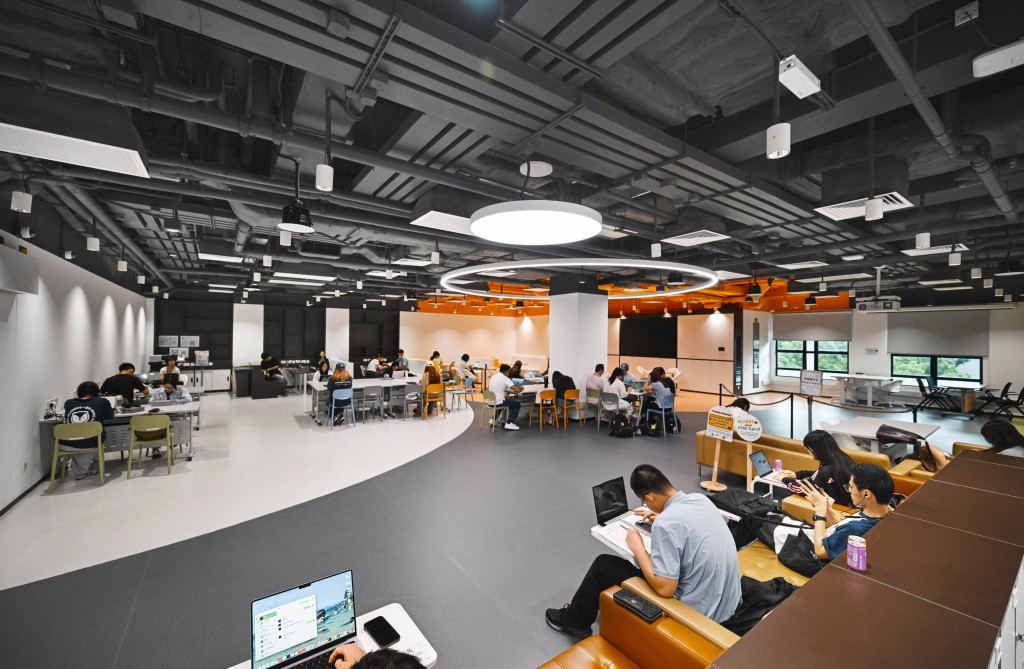
Lingnan University is pioneering a new model of liberal arts education for the age of emerging technologies, with president Joe Qin Sizhao saying students need to develop not only traditional humanities skills but also scientific, digital and artificial intelligence literacy.
Qin, a data scientist who became Lingnan’s president in 2023, said that as AI becomes increasingly embedded in education, research and everyday life, liberal arts education must be widened. He has pushed the university to embrace AI over the past three years, from building computing infrastructure and providing free ChatGPT access to students, to integrating AI into different academic disciplines and developing AI-related courses.
Qin says traditional humanities, social sciences and business disciplines must evolve and expand.
“Once students are allowed to use AI, the examinations and assignments should be redesigned, including assignments with no standard answers; and there should be AI-assisted platforms for tutors to prepare lessons and tutorials,” he said.
To support its AI development, the first phase of a High-Performance Computing Data Centre was put into operation in 2025, providing about 6,000 trillion floating-point operations per second – or TFLOPS – of computing power to support the university’s researchers and students.
To build a liberal arts education that integrates the humanities and sciences for the digital age, Qin said traditional humanities, social sciences and business disciplines must evolve and expand, while science and engineering-related fields also need to be developed, with a focus on integration.
Lingnan University has integrated AI into different academic disciplines and developed AI-related courses.
Wu Jieh Yee School of Interdisciplinary Studies also offers three interdisciplinary undergraduate programs and funds to encourage students to do interdisciplinary research with AI and data science. One of the school’s focuses, the Bachelor of Liberal Arts (Honours) in Global Development and Sustainability, demonstrates this interdisciplinary fusion by bridging climate science and environmental studies with international policy and global business.
"Through innovative and research-oriented education, students will learn how to solve problems and find their own optimal answers to the unfamiliar in their lifelong learning," Qin said.
He added that the university’s transformation has also been reflected in its performance in international university rankings. Lingnan rose 300 places in the 2026 Academic Ranking of World Universities, marking the biggest improvement among Hong Kong’s eight UGC-funded universities and placing it sixth among them.
It also rose more than 120 places to 581st in the QS World University Rankings 2027, as well as rising nearly 100 places to 257th in THE World University Rankings 2027. Qin attributed the progress to improvements in research capacity and the recruitment of high-level scholars.
"We are not doing this just for the sake of it. We are already producing research results that are translated into real impact, and that is happening right now," he said. Qin pointed to the Silicon Valley International Invention Festival 2026, where all 14 of the university’s research projects won eight gold and six silver medals, winning the most medals among Hong Kong universities.
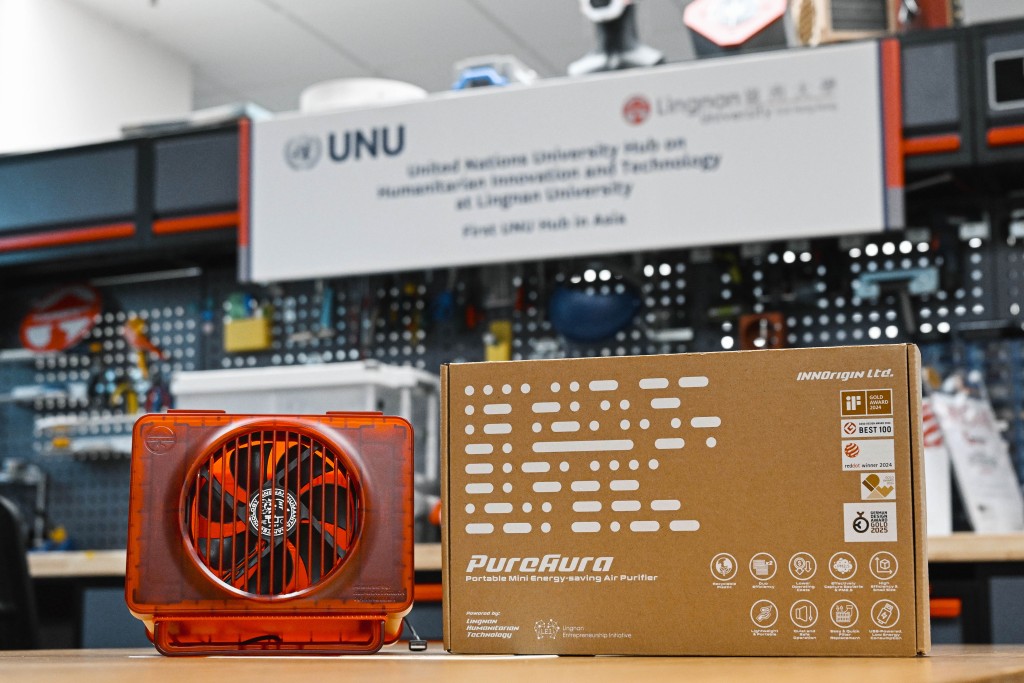
Lingnan University’s project ‘PureAura – the Portable Mini Energy-saving Air Purifier.’
Its interdisciplinary “PureAura – the Portable Mini Energy-saving Air Purifier” project, designed for families in Hong Kong’s subdivided flats, also won 14 international design awards, including the iF Gold Award and the Red Dot Design Award, he added.
Lingnan launched the Lingnan-60 Global Talent Recruitment initiative in 2024 to recruit scholars across disciplines. So far, about 40 scholars have been recruited, filling around two-thirds of the target.
Qin said the university also provides research funding and resources to help new scholars establish and develop their research groups.
Aim to use N Metropolis space for cross-sector collaboration
Lingnan University is eyeing the Northern Metropolis as a key site for future expansion, with president Joe Qin Sizhao highlighting the potential for boosting education and research capacity in Hung Shui Kiu.
Qin welcomed the government’s decision to increase land allocation for universities in the Northern Metropolis. He noted that Lingnan University’s main campus is located just a short distance from Hung Shui Kiu, and emphasized the need for robust cultural and educational infrastructure to accompany the region’s growth.
Rather than treating Hung Shui Kiu as merely an expansion site, Qin said Lingnan aims to help build a vibrant cultural and technology community there by attracting talent and enhancing educational and cultural facilities.
“We can make use of the new space in the Northern Metropolis to focus on industry-academia-research collaboration, particularly in research and postgraduate education,” he said.
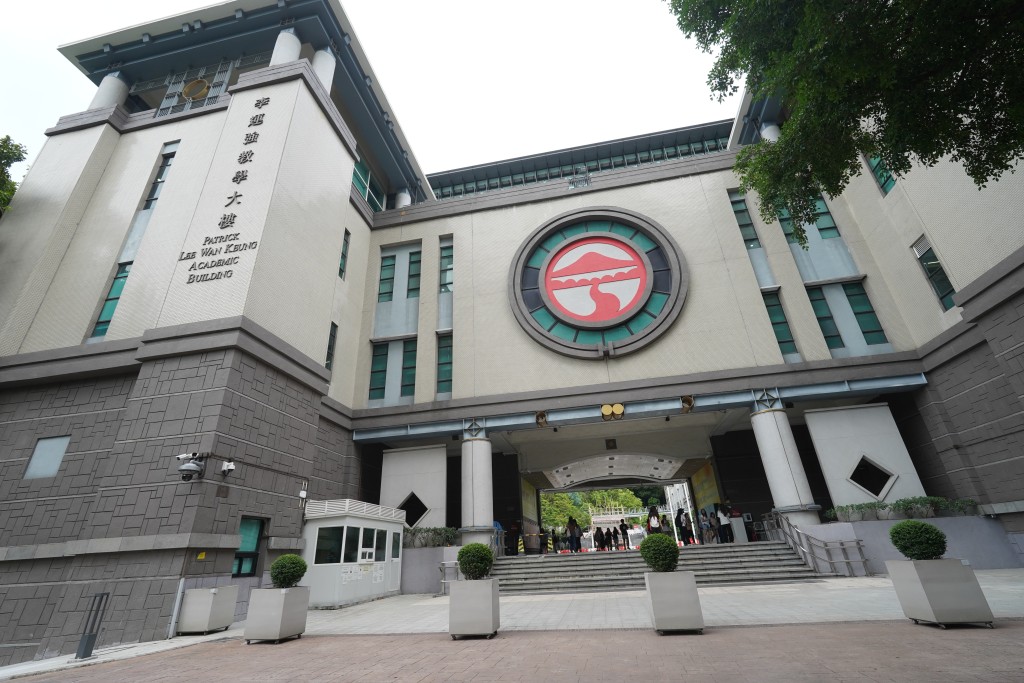
Lingnan University is eyeing the Northern Metropolis as a key site for future expansion.
The expansion could open doors for partnerships with top international universities, Qin added.
When asked about Lingnan's competitiveness in research and industry, Qin said the university’s primary role in the Northern Metropolis University Town should be to focus on education. He acknowledged the importance of research and industry collaboration, but stressed that universities also play a vital role in cultivating innovative talent for the economy, with graduates going on to contribute to companies, research institutions, or starting their own businesses.