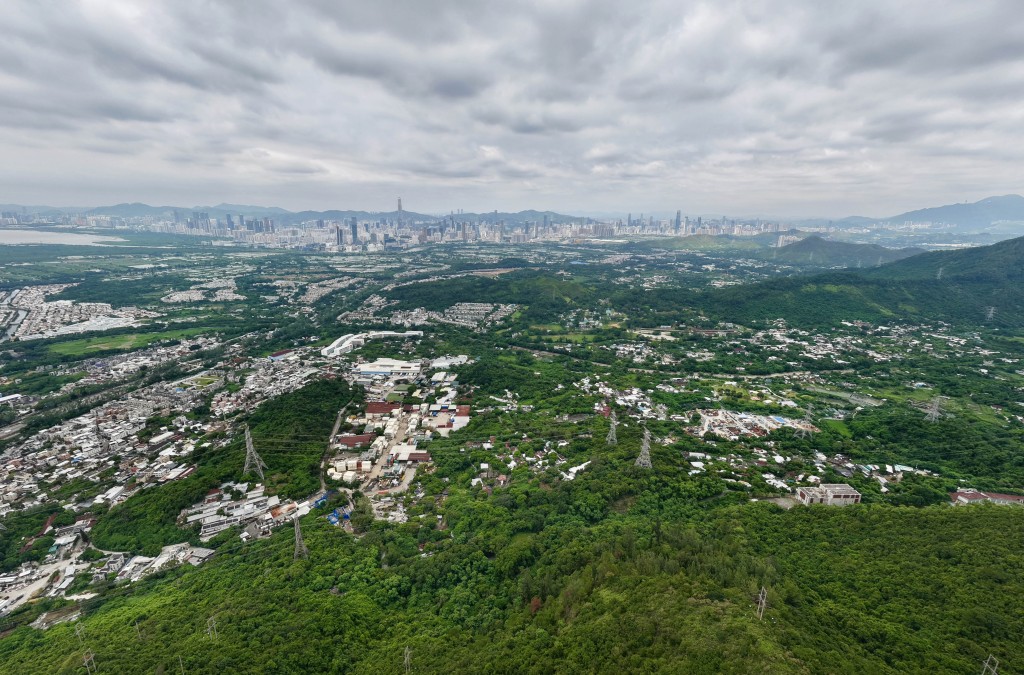
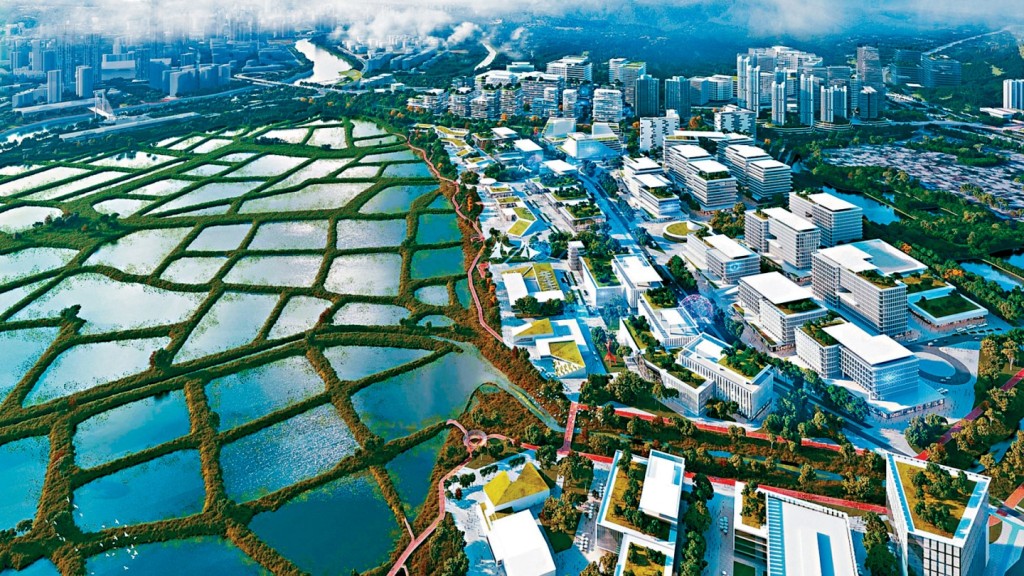
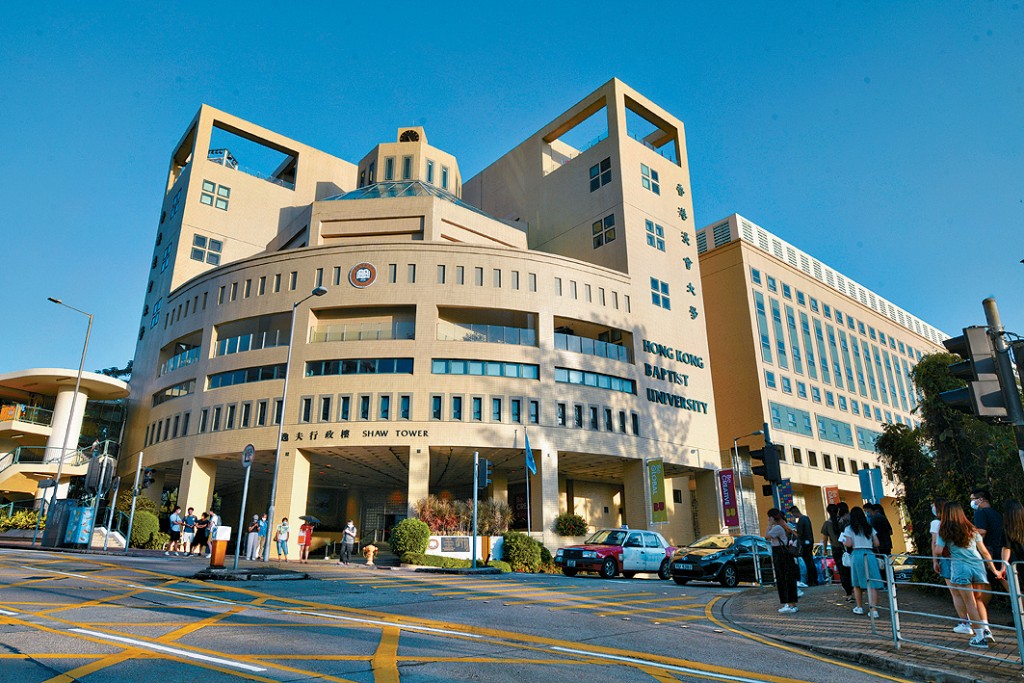
As the Northern Metropolis University Town moves ahead under a clear roadmap, Baptist University is gearing up to relocate and expand to the hub, bringing its strengths in fields like health and arts to the table, said president Alexander Wai Ping-kong.
With biotechnology among the Loop's key focuses, the university plans to move and expand some related biomedical and Chinese medicine laboratories to the area, Wai said.
Its sports tech, health tech and art tech research are also expected to relocate to the San Tin University Town in the long run, he said.
As for the Ta Kwu Ling University Town, which features the arts element, Wai said HKBU intends to take part in the bidding for the first batch of sites, which is expected to be rolled out in 2028.
On financing, Wai noted that debt issuance is under discussion for the relocation and upgrades for the related Northern Metropolis projects.
HKBU plans to bid for the Ta Kwu Ling University Town sites in 2028, aiming to develop art tech and related areas.
Beyond the Northern Metropolis ambition, HKBU, its School of Continuing Education, or SCE, and Beijing Normal-HKBU – which share the same DNA – are expected to form a "triangular partnership" that creates powerful synergies, Wai said, adding the alliance is expected to reach 40,000 students in the future.
SCE's application to become a registered post-secondary college is anticipated to be approved within two months, Wai said, adding its proposal for a private university title granting could go to the Chief Executive-in-Council as soon as the first quarter next year. Private institutions enjoy the flexibility to respond quickly to market demand and provide corresponding training.
Furthermore, to promote the government's "Study in Hong Kong" brand, Wai said that the university hopes to lift the non-local student proportion from 35 percent to the capped 50 percent in the next two to three years.
Regarding attracting talent, HKBU is seeking top scholars in a targeted manner under its four research clusters: Creative Media and Practice, Health and Drug Discovery, Data Analytics and Artificial Intelligence, and Humanities and Cultures.
The university has brought in Nobel laureate Michael Houghton, who discovered the hepatitis C virus, and is now working with HKBU on a shared dream – the development of an HCV vaccine, Wai added.
HKBU hopes to rise the non-local student proportion from 35 percent to the capped 50 percent in the next two to three years.
Aligning education with Chinese medicine hospital's development
Baptist University is enhancing its strengths in Chinese medicine and art tech through facility upgrades and curriculum refinements, offering students better training.
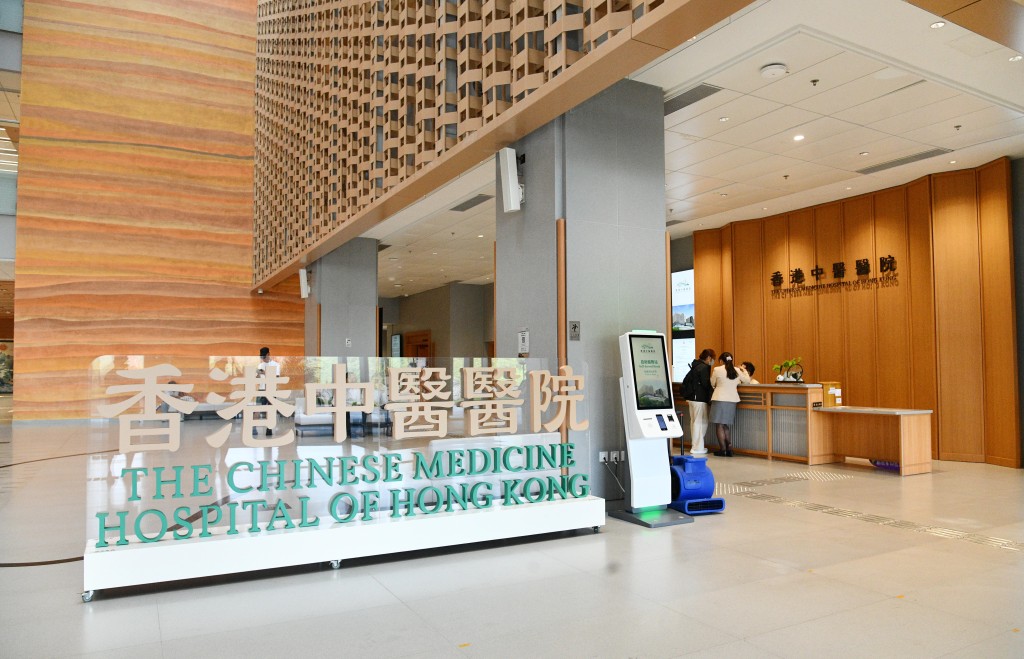
Since the Chinese Medicine Hospital of Hong Kong commenced services last year, HKBU – which incorporated the hospital's operator – is well positioned to align its double-degree program in Chinese Medicine and Biomedical Science with the hospital's goal of standardizing and internationalizing Chinese medicine, driving its global expansion, HKBU president Alexander Wai Ping-kong noted.
CMHHK is operated by HKBU Chinese Medicine Hospital Company.
As the hospital is equipped with modern diagnostic equipment such as X-ray machines, HKBU will accordingly modify its program to teach students how to apply these tools in syndrome identification, he said.
Wai noted that the CMHHK aims to offer 23 disease-specific programs in total, and HKBU will also explore courses that allow students to pursue advanced studies in these specialties.
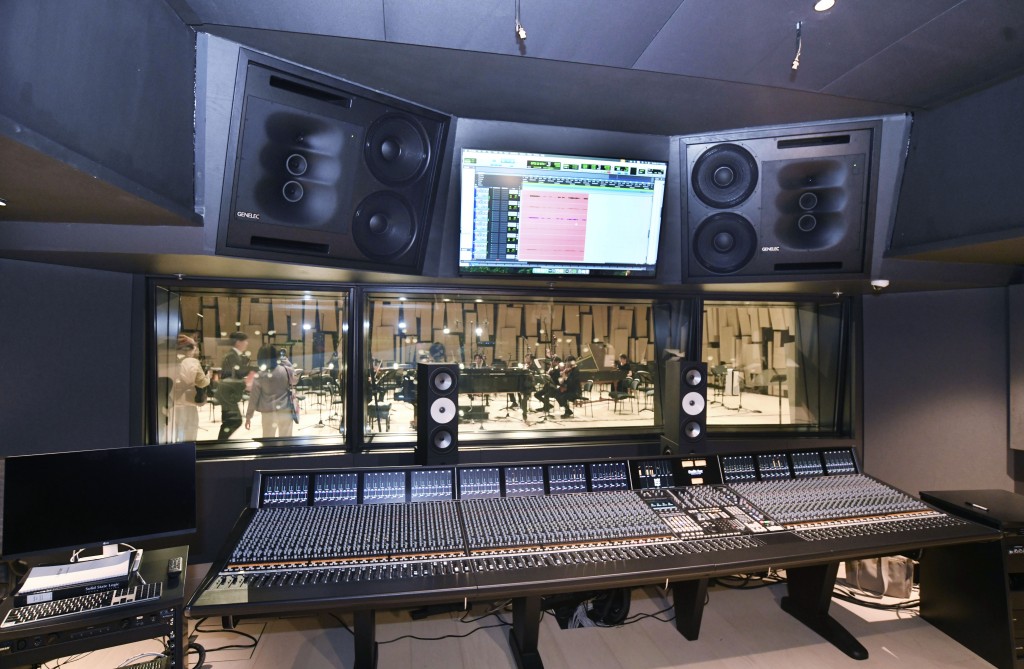
On art tech, he pointed to the Jockey Club Campus of Creativity, which opened last year with state-of-the-art facilities. It has done music work for the Chinese war film Against All Odds, and Wai hoped that working with artists there will give students more opportunities to interact with the industry.
HKBU's Jockey Club Campus of Creativity opened last year and is equipped with state-of-the-art facilities.