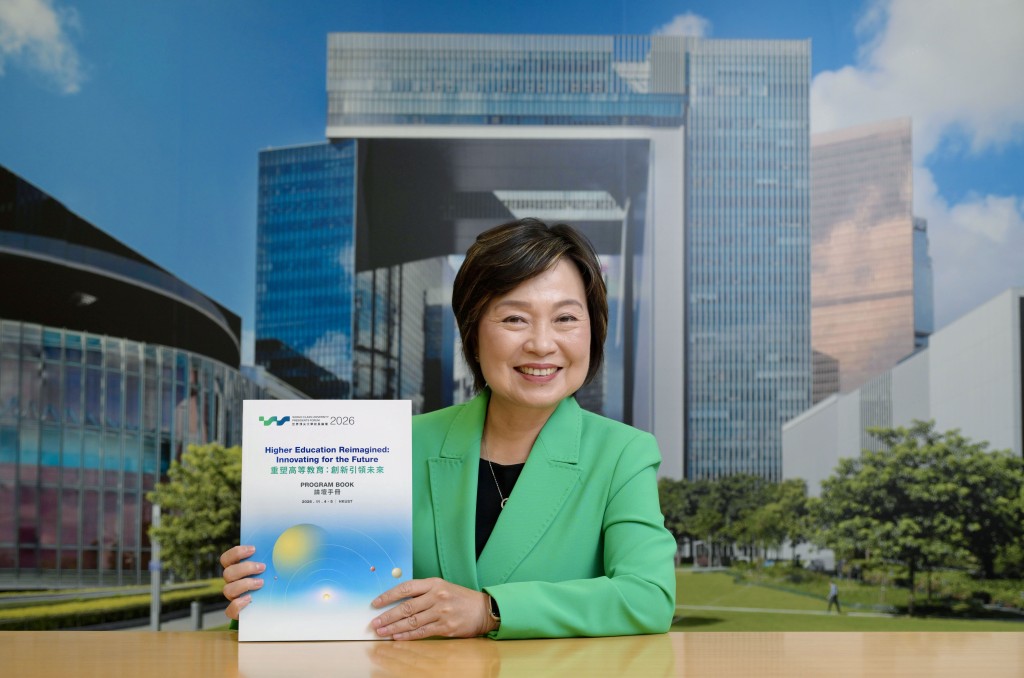
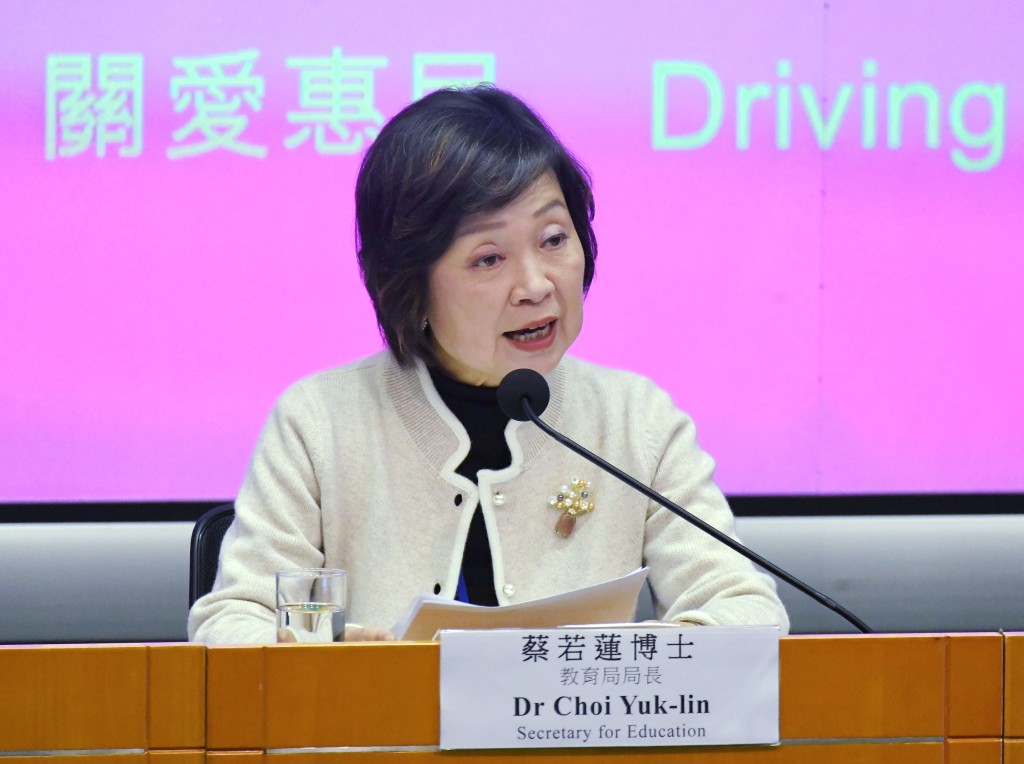
Hong Kong will host the World Class University Presidents Forum again next year as part of its ongoing efforts to establish the city as a premier international higher education hub, Secretary for Education Christine Choi Yuk-lin said.
Choi’s remarks on the final day of the forum—which drew 18 presidents from the world's top universities—also coincided with Hong Kong's dominant performance in the QS Asia University Rankings 2027, where five of the city's institutions secured spots in the top 10.
Choi noted that Hong Kong's academic sector continues to receive widespread global recognition for its excellence.
During the 2025/26 academic year, about 22 prestigious institutions established 820 research collaborations and 157 student exchange agreements with local tertiary institutions, alongside 13 joint or double bachelor's degree programs.
Choi highlighted that Hong Kong offers unique overlapping advantages for international students, pointing to the "one country, two systems" framework, trilingual campuses, direct access to the Greater Bay Area market, and a diverse, multicultural environment as an East-meets-West hub.
"Hong Kong's cumulative advantages are exceptionally rare," Choi said, noting that the Study in Hong Kong campaign will focus on promoting Hong Kong as a preferred city for international students to live and study.
In addition to hosting high-level forums, the government aims to build a lifelong network with graduating non-local students, particularly Belt and Road Scholarship recipients, whose quota has already been expanded.
"By maintaining deep engagement with non-local graduates, we ensure they remain ambassadors for Hong Kong, regardless of where they choose to settle," Choi emphasized.
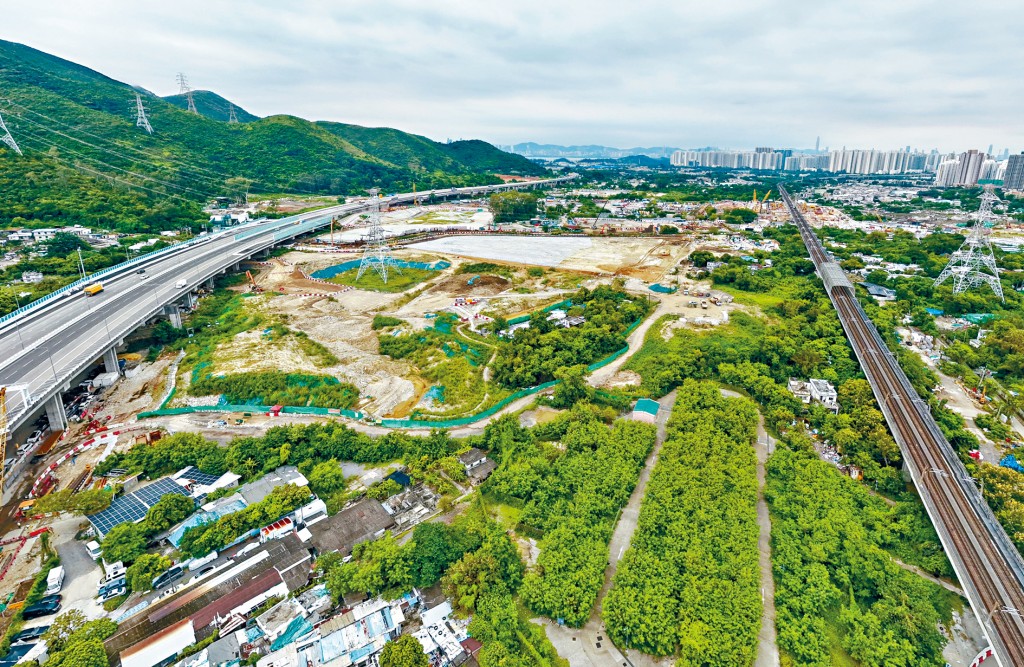
The bidding period for three Hung Shui Kiu land plots will end in one and a half months.
Regarding the infrastructure developments, Choi addressed the upcoming bidding deadline for three land plots in the Hung Shui Kiu University Town, which is entering its final month and a half.
While overseas and mainland institutions have provided positive initial feedback on the projects, Choi stressed that these universities would carefully evaluate their own financial positions and complex geopolitical factors before establishing a presence.
She also dismissed concerns that the developments would force Hong Kong's eight publicly funded universities into a debt trap, assuring the public that these institutions remain financially robust.
Furthermore, the land releases for other university towns would be conducted in different phases to ease financial pressures for institutions.
While acknowledging that the total funding required by these institutions exceeds the HK$10 billion currently earmarked, Choi stated that the government would actively strive to secure additional funding to support their development.